How to Choose a Hydrating Toner
The hydrating toner is the clearest example of how far toners have come from the stinging astringents of the past. Where the old formula existed to strip oil, a hydrating toner exists to add water — a thin, fast-absorbing layer of humectants that preps the skin and boosts the moisture of everything applied after. Sometimes called an essence, it is optional but genuinely useful for anyone whose skin feels tight, looks flat or drinks up moisturizer without ever feeling quite hydrated. This guide describes the ingredient profile that actually delivers hydration, the additives that quietly work against it, and how to layer a watery toner so the moisture lasts rather than evaporating.
Ingredients to look for
| Ingredient | Why it matters |
|---|---|
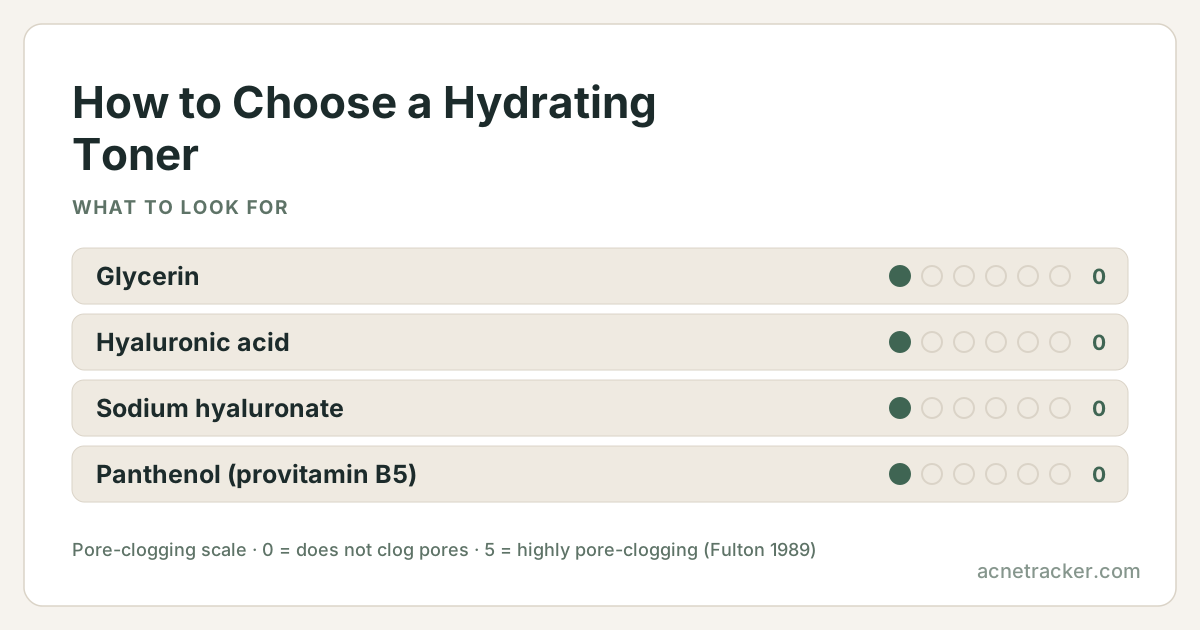
| Glycerin | The most reliable, best-studied humectant: draws water into the skin and improves suppleness in almost any formula. |
| Hyaluronic acid | Binds a large amount of water for an immediate plumping effect, giving a hydrating toner its fresh, dewy feel. |
| Sodium hyaluronate | A smaller-molecule form of hyaluronic acid that spreads and absorbs easily, layering well in a watery toner. |
| Panthenol (provitamin B5) | Humectant and soothing at once, adding comfort and barrier support to the hydration. |
| Beta-glucan | A gentle hydrator and soother that boosts the calming, moisturising feel of an essence-style toner. |
Ingredients to avoid
| Ingredient | Why it matters |
|---|---|
| Denatured alcohol (alcohol denat.) | Directly undermines a hydrating toner by speeding water loss — the opposite of what you are paying for. |
| Fragrance and essential oils | Add irritation risk that can leave hydration-seeking skin reactive, with no moisturising benefit in return. |
| Astringent 'refreshing' formulas | The tight, cool finish signals oil-stripping, not hydration, however 'fresh' the marketing sounds. |
| Relying on the toner alone with no seal | Humectants need a moisturizer over them; left bare in dry air they can pull water out of the skin instead of in. |
How to choose
Read a hydrating toner for humectants near the top of the list — glycerin is the dependable anchor, ideally joined by hyaluronic acid, sodium hyaluronate, panthenol or beta-glucan. Just as important is what should not be there: alcohol denat. sabotages hydration, and fragrance adds risk without benefit, so an alcohol-free, fragrance-free formula is the safer default. Texture is a matter of preference; thin splash toners and slightly thicker essences both work, so pick what layers comfortably for you. Ignore 'refreshing' and 'toning' language that hints at the old astringent style. The single most important thing to understand is that a hydrating toner is a first layer, not a finish: humectants draw water in but need a moisturizer to seal it, so only commit to one you will always follow with a cream.
How to apply
Apply to damp skin straight after cleansing, while the surface still holds water for the humectants to bind. Press it in with your palms instead of wiping, and add a second layer if your skin wants more — patting on thin coats is how the 'layering' method builds hydration. Do not let it dry down bare: within a minute, follow with a serum and then a moisturizer to lock the water in, otherwise humectants can draw moisture out of deeper skin in dry conditions. Use it morning and night. It suits any skin type, since hydration and oiliness are separate issues.
Frequently asked questions
What is the difference between a hydrating toner and an essence?
Very little in practice — both are watery, humectant-rich layers meant to add hydration before moisturizer. 'Essence' is largely a marketing and regional term. Judge either by its ingredients rather than the name on the bottle.
Does a hydrating toner replace moisturizer?
No. It adds water-binding humectants but not the oils and occlusives that hold water in. Used alone in dry air, it can even draw moisture out of the skin, so always seal it with a moisturizer.
Can oily skin use a hydrating toner?
Yes. Hydration is about water, not oil, and oily skin is often dehydrated. A light, alcohol-free hydrating toner adds water without grease and can actually help reduce compensatory oil over time.
Why does my hydrating toner not seem to work?
Usually because it is not being sealed, is applied to dry skin, or contains alcohol that undercuts it. Apply to damp skin, follow promptly with a moisturizer, and check the label for alcohol denat. near the top.
Sources & further reading
There is no single study of this exact question. The guidance here is reasoned from the ingredient profiles below, each of which carries its own references:
- Glycerin3 refs
- Hyaluronic Acid3 refs
- Sodium Hyaluronate2 refs
- Panthenol3 refs
- Beta-Glucan2 refs
Show every reference behind this page (8)
- PubChem — Glycerol compound summarycited by Glycerin
- DermNet — Moisturiserscited by Glycerin, Hyaluronic Acid
- European Commission CosIng database — Glycerincited by Glycerin, Hyaluronic Acid, Sodium Hyaluronate, Panthenol, Beta-Glucan
- PubChem — Hyaluronic acid compound summarycited by Hyaluronic Acid
- PubMed — Effectiveness of topical hyaluronic acid of different molecular weights in xerosis cutis treatment in elderly: a double-blind, randomized controlled trial (Arch Dermatol Res, 2024)cited by Sodium Hyaluronate
- PubChem — Panthenol compound summarycited by Panthenol
- Safety Assessment of Panthenol, Pantothenic Acid, and Derivatives as Used in Cosmetics (PubMed)cited by Panthenol
- PubMed — Improving skin function with CM-glucan, a biological response modifier from yeast (Int J Cosmet Sci, 1998)cited by Beta-Glucan
Medical disclaimer
Ingredients mentioned on this page
Find your personal acne triggers
Our free Acne Tracker lets you log breakouts, sleep, stress and diet, and shows you which factors correlate with your flare-ups.