How to Choose a Toner for Blackheads
Blackheads are pores plugged with oil and dead skin, oxidised dark at the surface — not dirt, which is why scrubbing and stinging astringents do little except irritate. The toner that actually helps blackheads is an exfoliating one, and specifically one built around an oil-soluble acid that can get inside the pore where the plug sits. This guide explains why salicylic acid is the standout for blackheads, which supporting ingredients keep the routine sustainable, and why the old approach of drying the skin out backfires. Blackheads respond to patient, gentle exfoliation far better than to aggression, and the right toner is a maintenance tool rather than an overnight fix.
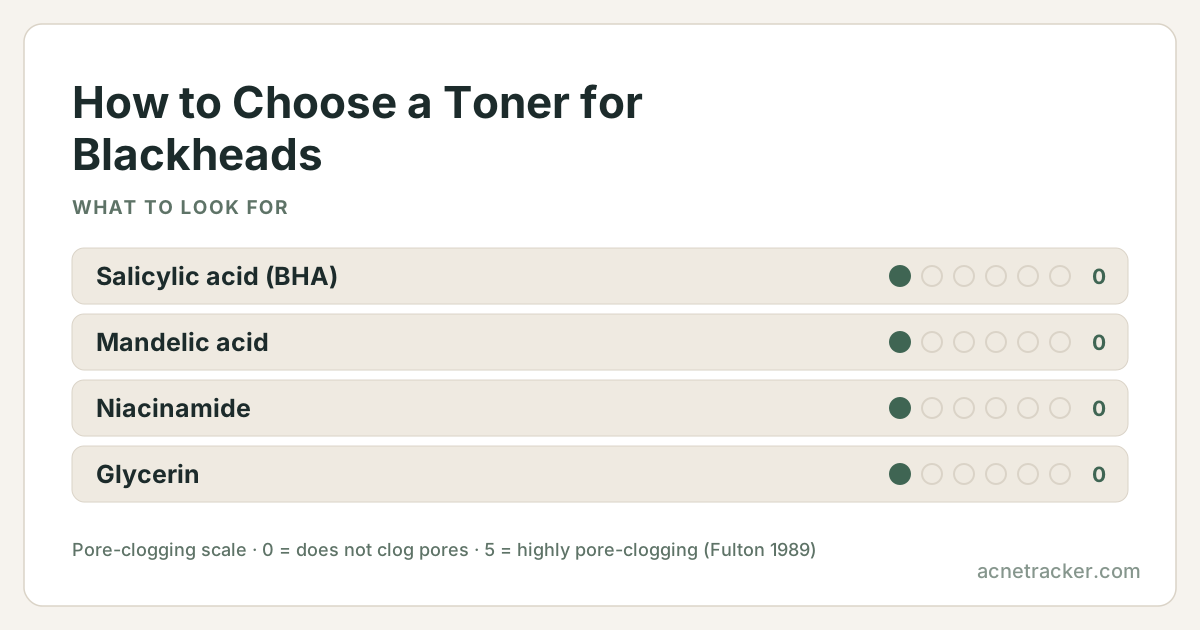
Ingredients to look for
| Ingredient | Why it matters |
|---|---|
| Salicylic acid (BHA) | The standout for blackheads: oil-soluble, so it penetrates the sebum-filled pore and loosens the plug from the inside. |
| Mandelic acid | A large-molecule AHA that gently resurfaces and helps clear congestion with a low irritation risk, a good option for sensitive congested skin. |
| Niacinamide | Supports the barrier and helps regulate oil, keeping blackhead-prone skin more balanced alongside exfoliation. |
| Glycerin | Offsets the mild drying of an acid toner so skin stays comfortable and is not pushed into rebound oiliness. |
| Green tea extract | A calming antioxidant that helps keep congestion-prone skin from becoming inflamed during regular exfoliation. |
Ingredients to avoid
| Ingredient | Why it matters |
|---|---|
| Abrasive scrubs and rough exfoliating pads | Blackheads are inside the pore; surface scrubbing cannot reach the plug and only inflames the skin around it. |
| High-alcohol astringents | Drying the surface does nothing to the plug and triggers rebound oil, giving the pores more to clog with. |
| Stacking multiple strong acids the same night | Over-exfoliation irritates skin and can worsen congestion; one acid at a sensible frequency is enough. |
| Pore strips as a substitute | They pull the top off a blackhead but leave the pore lining intact to refill, and can irritate; they are not a treatment. |
How to choose
For blackheads, the single most important label detail is an oil-soluble exfoliant — salicylic acid — because only an oil-loving acid gets down into the sebum plug. A leave-on salicylic acid toner used a few evenings a week is the core tool; if your skin is sensitive, mandelic acid is a gentler alternative. Look for supporting hydrators like glycerin and barrier ingredients like niacinamide so the routine stays sustainable rather than drying you into a rebound. Steer clear of anything promising to 'scrub' or 'blast' blackheads away, and of high-alcohol astringents, both of which irritate without clearing the pore. Read past 'deep-cleansing' and 'detox' language to the actual acid and its percentage. Judge success over weeks of consistent, gentle use — blackheads clear slowly, and pushing harder mostly buys you irritation.
How to apply
Apply a salicylic acid toner to clean, dry skin in the evening, focusing on blackhead-prone areas like the nose, chin and forehead, a few nights a week to start. Give the acid time to work rather than layering other strong actives on top the same night. Follow with a light moisturizer to keep the barrier comfortable, and resist squeezing or using pore strips between applications. In the morning after any exfoliating night, wear broad-spectrum SPF, since freshly exfoliated skin is more sun-sensitive. Expect gradual clearing over several weeks, and ease off if skin becomes red or tight.
Frequently asked questions
What is the best toner ingredient for blackheads?
Salicylic acid, because it is oil-soluble and can penetrate the sebum-filled pore where the blackhead plug forms. Water-soluble acids stay more on the surface, so salicylic acid has the edge for clearing congestion inside pores.
Will a toner get rid of blackheads permanently?
It manages them rather than curing them. Blackhead-prone pores keep producing oil, so an exfoliating toner is ongoing maintenance. Used consistently it keeps pores clearer, but stopping usually lets congestion gradually return.
Are pore strips or scrubs better than an acid toner?
No. Scrubs cannot reach inside the pore, and pore strips only remove the surface top while the pore refills. A leave-on salicylic acid toner treats the congestion more effectively and with less irritation.
How often should I use a salicylic acid toner for blackheads?
Start a few evenings a week and adjust to how your skin responds. Daily use can over-exfoliate and dry the skin, which triggers rebound oil and more clogging, so consistency at a moderate frequency beats aggression.
Sources & further reading
There is no single study of this exact question. The guidance here is reasoned from the ingredient profiles below, each of which carries its own references:
- Salicylic Acid2 refs
- Mandelic Acid2 refs
- Niacinamide2 refs
- Glycerin3 refs
- Green Tea Extract3 refs
Show every reference behind this page (10)
- Salicylic acid as a peeling agent: a comprehensive review (PubMed)cited by Salicylic Acid
- FDA OTC monograph — acne drug products (salicylic acid 0.5–2%)cited by Salicylic Acid
- Mandelic acid — PubChem compound summarycited by Mandelic Acid
- DermNet — Alpha hydroxy acidscited by Mandelic Acid
- Niacinamide: mechanisms of action and its topical use in dermatology (PubMed)cited by Niacinamide
- European Commission CosIng database — Niacinamidecited by Niacinamide, Glycerin, Green Tea Extract
- PubChem — Glycerol compound summarycited by Glycerin
- DermNet — Moisturiserscited by Glycerin
- PubChem — Epigallocatechin gallate (EGCG)cited by Green Tea Extract
- Green tea and the skin (PubMed)cited by Green Tea Extract
Medical disclaimer
Ingredients mentioned on this page
Find your personal acne triggers
Our free Acne Tracker lets you log breakouts, sleep, stress and diet, and shows you which factors correlate with your flare-ups.