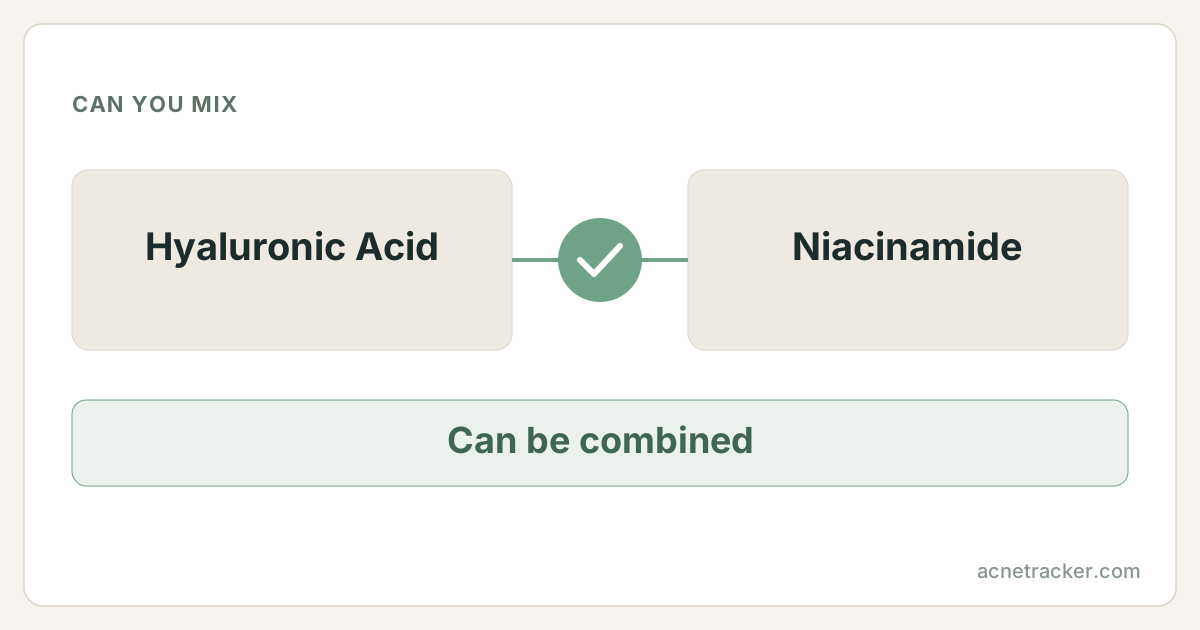
Can You Mix Hyaluronic Acid and Niacinamide?
Yes, without any reservation. Niacinamide and hyaluronic acid are one of the safest, most beginner-friendly combinations in skincare. Hyaluronic acid is a humectant that pulls water into the skin, while niacinamide strengthens the barrier that keeps that water in, so they reinforce each other. There is no pH conflict and no irritation risk — apply hyaluronic acid to damp skin, then niacinamide.
How this pairing resolves
The two ingredients, their published numbers, and where they land together.
The numbers beside each ingredient are its published comedogenic rating and effective pH window, taken from its own profile page.
Show the numbers
| Ingredients | Metric | 0–5 |
|---|---|---|
| Hyaluronic Acid | Comedogenic rating | 0/5 |
| Hyaluronic Acid | Effective pH | no published pH |
| Niacinamide | Comedogenic rating | 0/5 |
| Niacinamide | Effective pH | 5.0–7.0 |
Why
Despite the name, hyaluronic acid is not an exfoliating acid at all; it is a humectant sugar molecule that can hold many times its weight in water, drawing moisture into the upper layers of skin to plump and smooth them. Niacinamide, vitamin B3, works on the barrier itself, increasing production of ceramides and fatty acids that reduce trans-epidermal water loss. This is a textbook complementary pairing: hyaluronic acid supplies water, niacinamide helps the skin hold onto it. Their pH ranges sit comfortably together in mildly acidic to neutral territory, so neither destabilises the other, and both are non-exfoliating and gentle, meaning there is no additive irritation to manage. There are no myths to debunk here and no waiting games — this is the pairing dermatologists reach for when someone needs hydration and barrier support without any risk of over-processing sensitive or compromised skin.
How to combine them
Order matters only for performance, not safety. Apply hyaluronic acid to slightly damp skin first, because it needs water to draw in — on bone-dry skin in a dry climate it can occasionally pull moisture from deeper layers. Then apply niacinamide, and crucially seal both with a moisturizer or cream, which locks the humectants in and prevents evaporation. Both can be used morning and night, every day, with no adjustment period. If you use a combined serum containing both, that is perfectly fine. In the morning finish with sunscreen; in a dry environment, applying hyaluronic acid over a light mist or after cleansing while skin is still damp gives the best plumping effect.
Example routine
| When | Steps |
|---|---|
| Morning | Cleanser → Hyaluronic acid (damp skin) → Niacinamide → Moisturizer → SPF 30+ |
| Evening | Cleanser → Hyaluronic acid (damp skin) → Niacinamide → Moisturizer |
| Tip | Always seal with a cream so the humectants do not evaporate |
Warning signs
Frequently asked questions
Which goes first, hyaluronic acid or niacinamide?
Apply hyaluronic acid first, to damp skin, then niacinamide, then a moisturizer to seal both. Hyaluronic acid is lighter and needs surface water, so it belongs in the earlier step.
Is hyaluronic acid actually an acid that could clash?
No. Hyaluronic acid is a humectant sugar, not an exfoliating acid, and it has no low-pH requirement. There is no chemical clash with niacinamide whatsoever.
Can I use both every day, morning and night?
Yes. Both are gentle and need no adjustment period, so daily morning and evening use is completely fine and is the standard way to build hydration and barrier support.
Do I need to seal them with moisturizer?
Yes, especially in dry air. Hyaluronic acid holds water but can evaporate if left exposed, so a cream on top keeps the moisture in and makes the pairing far more effective.
Is this combination good for sensitive skin?
It is ideal. Neither ingredient exfoliates or lowers pH aggressively, and niacinamide supports the barrier, so this is one of the calmest hydrating routines for reactive skin.
Sources & further reading
There is no single study of this exact question. The guidance here is reasoned from the ingredient profiles below, each of which carries its own references:
- Hyaluronic Acid3 refs
- Niacinamide2 refs
Show every reference behind this page (4)
- PubChem — Hyaluronic acid compound summarycited by Hyaluronic Acid
- European Commission CosIng database — Hyaluronic Acidcited by Hyaluronic Acid, Niacinamide
- DermNet — Moisturisers and humectantscited by Hyaluronic Acid
- Niacinamide: mechanisms of action and its topical use in dermatology (PubMed)cited by Niacinamide
Medical disclaimer
Ingredients mentioned on this page
Find your personal acne triggers
Our free Acne Tracker lets you log breakouts, sleep, stress and diet, and shows you which factors correlate with your flare-ups.