How to Choose a Sunscreen for Dry Skin
Dry skin has the opposite problem from oily skin: many sunscreens make it feel tighter, look flaky and cling to dry patches, so protection becomes a daily discomfort. The goal here is a formula that shields against UV and leaves the surface soft and comfortable, so you actually want to wear it. That means a richer, more emollient base than oily skin needs, humectants to draw in water, and barrier lipids to seal it. This guide sets out the filters, textures and supporting ingredients that let a sunscreen double as a hydrating morning step, and the harsh additives that leave dry skin feeling stripped by lunchtime.
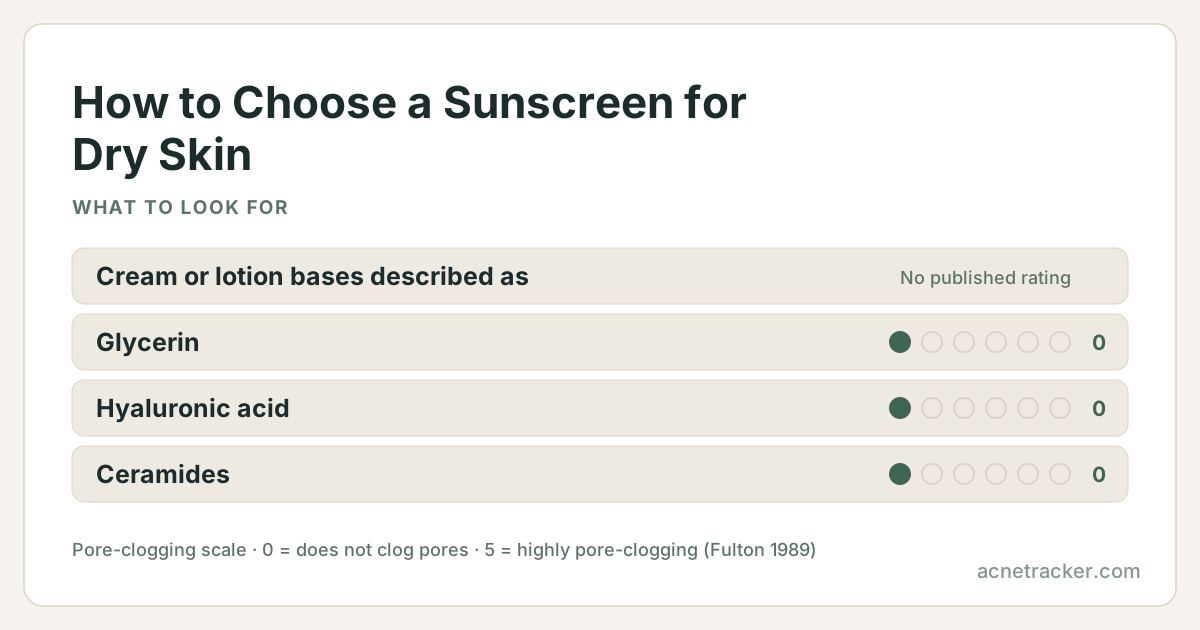
Ingredients to look for
| Ingredient | Why it matters |
|---|---|
| Cream or lotion bases described as hydrating or nourishing | A richer vehicle carries emollients and humectants that keep dry skin comfortable all day under SPF. |
| Glycerin | A workhorse humectant that pulls water into the surface and stops sunscreen from feeling tight on dry skin. |
| Hyaluronic acid | Binds water at the surface to plump dry patches so filters lie evenly instead of clinging to flakes. |
| Ceramides | Replace the barrier lipids dry skin lacks, sealing in moisture and reducing transepidermal water loss under the sunscreen. |
| Squalane | A lightweight, non-greasy emollient that softens the surface and helps a sunscreen glide over dry areas. |
Ingredients to avoid
| Ingredient | Why it matters |
|---|---|
| Alcohol-heavy 'dry-touch' fluids (alcohol denat. high on the list) | The matte, fast-drying feel oily skin loves is dehydrating and can leave dry skin tight and flaky. |
| Purely mattifying formulas with silica and absorbent powders | They soak up the little surface oil dry skin has, accentuating flakiness and rough texture. |
| Strong fragrance and essential oils | Dry, often barrier-compromised skin is more reactive, and fragrance is a common trigger for stinging and redness. |
| Very high alcohol content marketed as 'lightweight' | Lightweight is not the priority for dry skin; comfort and emollience are, and heavy alcohol works against both. |
How to choose
Read the base first: dry skin does better with words like 'hydrating', 'cream', 'lotion' and 'nourishing' than with 'fluid', 'gel', 'matte' or 'dry-touch'. Turn the pack over and look for humectants (glycerin, hyaluronic acid) and lipids (ceramides, squalane) reasonably high in the list, and check that alcohol denat. is not among the first ingredients. Any modern filter system is fine for dry skin — mineral or chemical — so the deciding factor is how emollient the base feels rather than the filters themselves. Aim for at least SPF 30 with clear broad-spectrum or UVA marking. Finally, judge by comfort: a good dry-skin sunscreen should feel like a moisturizer that happens to protect, leaving no tightness or powdery drag as it dries down.
How to apply
Apply sunscreen after your moisturizer if you use one, or let a hydrating sunscreen serve as that step. Use a generous two fingers' worth for face and neck and press it in rather than rubbing, which can lift flakes on dry skin. If patches still catch, a drop of facial oil or a hydrating mist before application smooths the surface so filters sit evenly. Reapply every two hours outdoors; a cream-based SPF can be gently pressed over makeup, or exchanged for a hydrating stick on the go so dry skin never feels stripped.
Frequently asked questions
Why does my sunscreen make my dry skin flaky?
Usually the base is too drying — often heavy on alcohol or mattifying powders. Switch to a hydrating cream formula with glycerin and ceramides, and prep with moisturizer first so filters do not cling to dry patches.
Is mineral or chemical sunscreen better for dry skin?
Neither is inherently better; the base matters more than the filter for dry skin. A rich, emollient chemical fluid and a creamy mineral lotion can both feel comfortable — judge by hydration, not filter type.
Can a hydrating sunscreen replace my moisturizer?
Often yes. Many cream-based sunscreens contain enough humectants and lipids to hydrate on their own. If your skin is very dry, keep a light moisturizer underneath for extra comfort.
How do I reapply sunscreen over dry, made-up skin without flaking?
Press rather than rub, and choose a hydrating stick or cushion SPF for touch-ups. A quick spritz of hydrating mist beforehand softens the surface so the reapplication blends instead of balling up.
Sources & further reading
There is no single study of this exact question. The guidance here is reasoned from the ingredient profiles below, each of which carries its own references:
- Glycerin3 refs
- Hyaluronic Acid3 refs
- Ceramides3 refs
- Squalane3 refs
Show every reference behind this page (7)
- PubChem — Glycerol compound summarycited by Glycerin
- DermNet — Moisturiserscited by Glycerin, Hyaluronic Acid, Squalane
- European Commission CosIng database — Glycerincited by Glycerin, Hyaluronic Acid, Ceramides, Squalane
- PubChem — Hyaluronic acid compound summarycited by Hyaluronic Acid
- DermNet — Skin barrier functioncited by Ceramides
- PubChem — Ceramide compound summarycited by Ceramides
- PubChem — Squalane compound summarycited by Squalane
Medical disclaimer
Ingredients mentioned on this page
Find your personal acne triggers
Our free Acne Tracker lets you log breakouts, sleep, stress and diet, and shows you which factors correlate with your flare-ups.