How to Choose a Body Wash for Dry Skin
Dry body skin is common on the shins, arms and anywhere clothing and cold air draw out moisture, and the single biggest daily insult to it is often the shower itself. Hot water, long soaking and stripping soap remove the barrier lipids that hold water in, leaving skin tight, flaky and itchy. A body wash cannot deeply moisturise — it rinses off in seconds — but the wrong one actively dries skin, and the right one cleans gently while leaving the barrier intact for the moisturiser that follows. This page describes the gentle, low-surfactant profile to look for, the ingredients that make dryness worse, and how to wash so the skin stays comfortable.
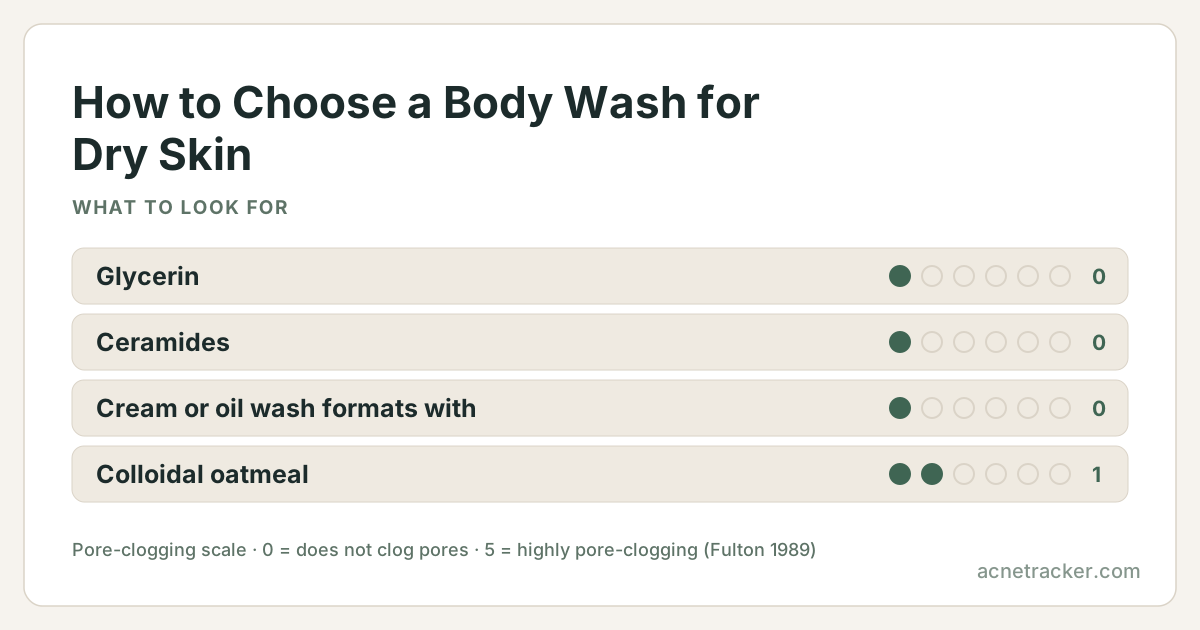
Ingredients to look for
| Ingredient | Why it matters |
|---|---|
| Glycerin | A humectant that stays partly on the skin after rinsing and draws in water; a top-of-list glycerin content is a good sign in a wash for dry skin. |
| Ceramides | The barrier lipids dry skin lacks; a wash that includes them helps offset the lipid loss that cleansing causes. |
| Cream or oil wash formats with mild surfactants (sodium cocoyl isethionate) | Low-foaming, creamy or oil-based washes clean with far less barrier disruption than high-foaming gels. |
| Colloidal oatmeal | Soothes and softens dry, itchy skin and leaves a light protective film; well suited to a body wash for dryness. |
| Panthenol | A humectant and soothing agent that supports the barrier and eases the tightness dry skin feels after washing. |
Ingredients to avoid
| Ingredient | Why it matters |
|---|---|
| High-foaming sulfate cleansers and bar soaps | Strong surfactants and high pH strip the barrier lipids dry skin is already short of, worsening tightness and flaking. |
| Denatured alcohol and astringents | They dehydrate the surface further and have no place in a wash for dry skin. |
| Fragrance and essential oils | Common irritants on dry, compromised skin, where the barrier lets more through and reactions are more likely. |
| Hot water and long showers | Not an ingredient, but the biggest everyday driver of body dryness; heat and time strip lipids regardless of how gentle the wash is. |
How to choose
Choose the gentlest effective format: creamy, milky or oil washes with mild surfactants clean dry skin with far less stripping than a high-foaming gel, so foam is a feature to minimise rather than seek. Look for glycerin high on the list, ideally ceramides, and soothing extras like colloidal oatmeal or panthenol; avoid sulfate-heavy bases, denatured alcohol and fragrance. 'Moisturising' and 'nourishing' are unregulated words, so read the list rather than the front. The most important variable, though, is not the bottle but the water and timing: keep showers short and lukewarm, and moisturise within minutes of getting out. A gentle wash sets the barrier up, but the leave-on cream is what actually keeps dry skin hydrated, so budget for both.
How to apply
Keep showers short and lukewarm, and use only as much wash as you need — over-washing dry skin is counterproductive. Lather gently with your hands rather than a rough cloth, and rinse without scrubbing. The decisive step comes after: pat the skin until just damp and apply a rich moisturiser within about three minutes, while the surface still holds water, so the cream can seal it in. Reapply to hands and shins after each wash.
Frequently asked questions
What kind of body wash is best for very dry skin?
A gentle, low-foaming cream or oil wash with mild surfactants, glycerin and ideally ceramides. These clean with far less barrier disruption than a high-foaming sulfate gel or bar soap, which strip the lipids dry skin is already short of.
Does body wash actually moisturise dry skin?
Not much on its own — it rinses off in seconds. Humectants like glycerin leave a little benefit behind, but a wash mainly matters by not stripping the skin. The real hydration comes from a moisturiser applied within minutes of the shower.
Why is my skin itchy and tight after showering?
Usually hot water, long showers and a stripping wash have removed the barrier lipids, so water evaporates and the skin tightens and itches. Shorter, lukewarm showers, a gentle wash, and moisturising while damp resolve it for most people.
Should I moisturise before or after using body wash?
After. Wash gently, pat until just damp, then apply moisturiser within about three minutes while the skin still holds surface water. Doing it in that order lets the cream trap the moisture the shower left behind.
Sources & further reading
There is no single study of this exact question. The guidance here is reasoned from the ingredient profiles below, each of which carries its own references:
- Glycerin3 refs
- Ceramides3 refs
- Sodium Cocoyl Isethionate2 refs
- Colloidal Oatmeal2 refs
- Panthenol3 refs
Show every reference behind this page (10)
- PubChem — Glycerol compound summarycited by Glycerin
- DermNet — Moisturiserscited by Glycerin
- European Commission CosIng database — Glycerincited by Glycerin, Ceramides, Sodium Cocoyl Isethionate, Panthenol
- DermNet — Skin barrier functioncited by Ceramides
- PubChem — Ceramide compound summarycited by Ceramides
- Cosmetic Ingredient Review — safety assessment of isethionate surfactantscited by Sodium Cocoyl Isethionate
- FDA OTC monograph — skin protectant drug products (colloidal oatmeal)cited by Colloidal Oatmeal
- PubMed — Colloidal oatmeal formulations as adjunct treatments in atopic dermatitis (J Drugs Dermatol, 2012)cited by Colloidal Oatmeal
- PubChem — Panthenol compound summarycited by Panthenol
- Safety Assessment of Panthenol, Pantothenic Acid, and Derivatives as Used in Cosmetics (PubMed)cited by Panthenol
Medical disclaimer
Ingredients mentioned on this page
Find your personal acne triggers
Our free Acne Tracker lets you log breakouts, sleep, stress and diet, and shows you which factors correlate with your flare-ups.