How to Choose a Night Cream for Dehydrated Skin
Dehydrated skin is short on water, not oil, so it can happen on any skin type — including oily skin that feels tight and looks dull despite the shine. Overnight water loss is naturally higher, which makes a night cream a logical place to correct it, provided the formula both attracts water and stops it escaping. The winning combination is humectants to draw moisture in and a light occlusive layer to hold it there until morning. This guide describes that hydrate-and-seal profile so you can rehydrate skin overnight without confusing dehydration with dryness and reaching for a cream that is too heavy.
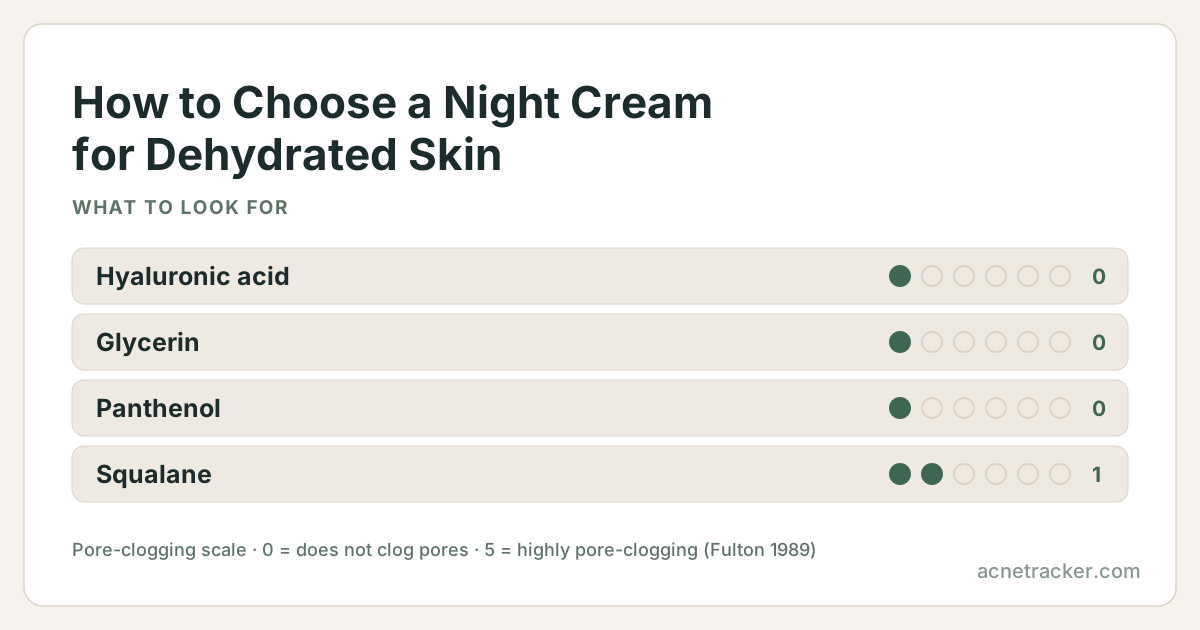
Ingredients to look for
| Ingredient | Why it matters |
|---|---|
| Hyaluronic acid | A powerful humectant that binds water in the upper skin, directly addressing the water shortfall that defines dehydration. |
| Glycerin | The most reliable everyday humectant, drawing and holding water without weight — ideal even on dehydrated oily skin. |
| Panthenol | Hydrates and soothes at once, helping dehydrated skin feel less tight and rough overnight. |
| Squalane | A light emollient that helps seal in the water the humectants attract, without a heavy occlusive feel. |
| Beta-glucan | Holds water and calms the surface, a good match for dehydrated skin that is also a little reactive. |
Ingredients to avoid
| Ingredient | Why it matters |
|---|---|
| Humectant-only formulas with nothing to seal | On their own, humectants can pull water from deeper skin and let it evaporate in dry air, leaving skin more dehydrated by morning. |
| Denatured alcohol high on the list | It gives a light finish but accelerates water loss, working directly against what dehydrated skin needs at night. |
| Foaming actives and strong fragrance | Both strip and irritate, undermining the surface that is supposed to be holding water in. |
| Assuming 'dehydrated' means you need the richest cream | Dehydrated oily skin needs water and a light seal, not a heavy butter that leaves it greasy and congested. |
How to choose
Match the cream to the type of skin underneath the dehydration. Everyone benefits from strong humectants — glycerin and hyaluronic acid high on the list — but the sealing layer should scale to your skin: a light squalane-level occlusive for oily-but-dehydrated skin, something richer for dry-and-dehydrated skin. The key principle is pairing: humectants without an occlusive can backfire in dry indoor air, pulling water out rather than locking it in. Read claims for substance: 'hydrating' and 'moisture surge' are everywhere, so look at the actual humectants and whether anything seals them. A dedicated night cream is optional; often the fix is simply applying your usual moisturiser to damp skin and adding a humectant serum underneath. Environmental fixes — a humidifier, less hot water — matter as much as the cream.
How to apply
The single most important trick is timing: apply the night cream within a minute of cleansing, while skin is still damp, so the humectants grab that surface water and the cream seals it in. On dry skin, layer a hydrating serum first, then the cream. In dry indoor air or heated bedrooms, a humidifier meaningfully helps overnight. Avoid long hot showers before bed, which strip the surface you are trying to hydrate. Consistency rehydrates skin over days, not one night. Continue sunscreen each morning, since a compromised, dehydrated surface is more vulnerable to further damage.
Frequently asked questions
What is the difference between dry and dehydrated skin at night?
Dryness is a skin type with too little oil; dehydration is a temporary shortage of water that any skin type can experience. Dehydrated skin needs humectants and a light seal, while dry skin needs richer, more occlusive lipids.
Can oily skin be dehydrated and still need a night cream?
Yes, very commonly. Oily skin can be short on water while overproducing oil, often feeling tight and looking dull. It needs a light, humectant-rich night cream for water, not a heavy one that would add unwanted grease.
Why does my skin feel more dehydrated after using a hydrating night cream?
Usually the cream is humectants with nothing to seal them. In dry air, humectants can pull water from deeper skin and let it evaporate. Apply to damp skin and choose a formula that also contains a light occlusive.
How long does it take a night cream to fix dehydrated skin?
Surface comfort improves within a night or two, but properly rehydrating the skin takes consistent use over one to two weeks, alongside habits like a humidifier and shorter hot showers. It is a routine, not a one-night fix.
Sources & further reading
There is no single study of this exact question. The guidance here is reasoned from the ingredient profiles below, each of which carries its own references:
- Hyaluronic Acid3 refs
- Glycerin3 refs
- Panthenol3 refs
- Squalane3 refs
- Beta-Glucan2 refs
Show every reference behind this page (8)
- PubChem — Hyaluronic acid compound summarycited by Hyaluronic Acid
- European Commission CosIng database — Hyaluronic Acidcited by Hyaluronic Acid, Glycerin, Panthenol, Squalane, Beta-Glucan
- DermNet — Moisturisers and humectantscited by Hyaluronic Acid, Glycerin, Squalane
- PubChem — Glycerol compound summarycited by Glycerin
- PubChem — Panthenol compound summarycited by Panthenol
- Safety Assessment of Panthenol, Pantothenic Acid, and Derivatives as Used in Cosmetics (PubMed)cited by Panthenol
- PubChem — Squalane compound summarycited by Squalane
- PubMed — Improving skin function with CM-glucan, a biological response modifier from yeast (Int J Cosmet Sci, 1998)cited by Beta-Glucan
Medical disclaimer
Ingredients mentioned on this page
Find your personal acne triggers
Our free Acne Tracker lets you log breakouts, sleep, stress and diet, and shows you which factors correlate with your flare-ups.