How to Choose a Cleanser for Dehydrated Skin
Dehydrated skin lacks water, not necessarily oil, so any skin type — even oily — can be dehydrated. It shows up as tightness, dullness, fine surface lines and a paper-thin feel, and a stripping cleanser is one of the fastest ways to make it worse. The goal at this step is to clean without removing the water-binding substances the skin needs, and ideally to add humectants back during the wash. This guide describes the ingredient profile that keeps skin hydrated through cleansing, the ingredients that pull water out, and how to read a label instead of trusting a 'hydrating' claim on the front.
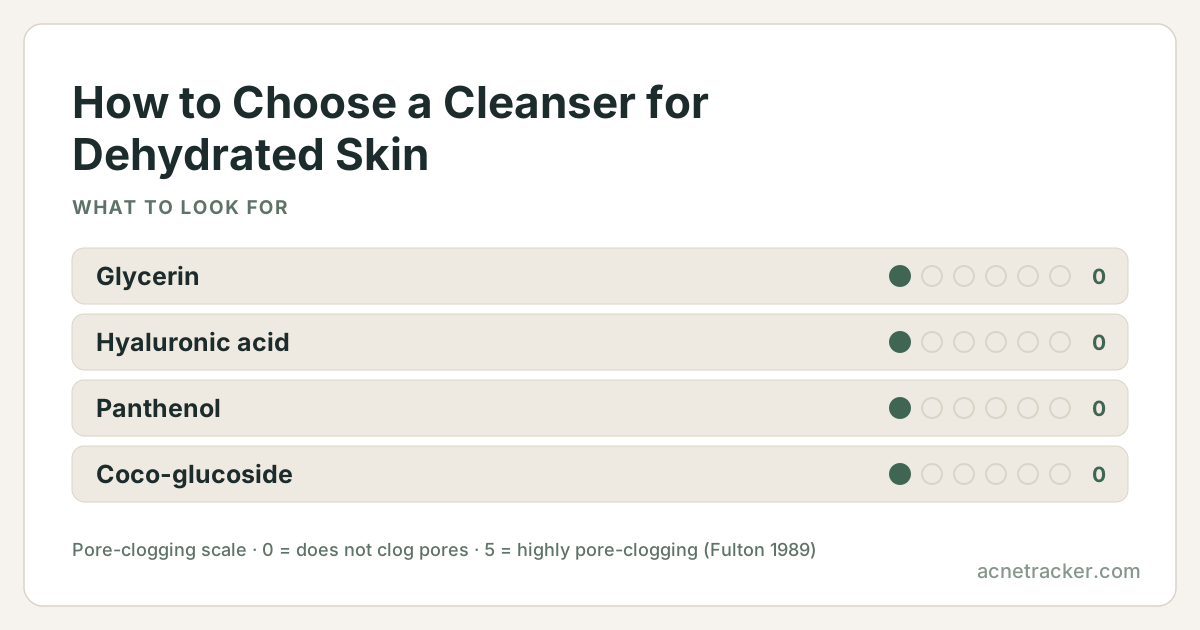
Ingredients to look for
| Ingredient | Why it matters |
|---|---|
| Glycerin | The key humectant here: draws and holds water at the surface so skin stays plump through washing. |
| Hyaluronic acid | Binds water in the upper layers; a useful humectant addition even in a rinse-off product. |
| Panthenol | Helps hold moisture and eases the tight, rough feel typical of dehydrated skin. |
| Coco-glucoside | A mild surfactant that cleans without dragging water and natural moisturising factors out of the skin. |
| Sodium cocoyl isethionate | Cleans gently and rinses without the tight, dehydrated feel that harsh detergents leave. |
Ingredients to avoid
| Ingredient | Why it matters |
|---|---|
| Harsh sulfates and high-pH soap | Strip natural moisturising factors along with oil, deepening dehydration and tightness. |
| Denatured alcohol high on the list | Accelerates water loss from the surface, the opposite of what dehydrated skin needs. |
| Hot water and long washing | Both increase transepidermal water loss and leave skin tighter after rinsing. |
| Astringent 'toning' claims in a wash | Products marketed to tighten pores often dehydrate the surface further. |
How to choose
Look for a gel-cream, cream or milk texture with a mild surfactant system and, crucially, humectants like glycerin and hyaluronic acid within the first half of the list. Avoid SLS and any early denatured alcohol, since those strip water-binding material. Remember dehydration is about water, not oil: oily but dehydrated skin still needs a non-stripping, humectant-rich cleanser rather than a harsh one. 'Hydrating' is an unregulated front-of-pack claim, so verify it against the ingredient list rather than the marketing. The most reliable test is the after-rinse feel: skin should feel soft and comfortable, not tight, papery or dull. Tightness within minutes of washing is the clearest sign a cleanser is stripping water your skin needed to keep. If you can, follow with a hydrating step while the skin is still damp to confirm the choice suits you.
How to apply
Cleanse once daily in the evening, with a plain lukewarm rinse in the morning to avoid over-washing. Keep water cool to lukewarm and washing brief. The most important step is timing what follows: apply a humectant serum or moisturiser onto slightly damp skin within a minute of patting off, then seal with a moisturiser containing some occlusive so the water you have added does not evaporate. Layering a humectant onto a bone-dry face achieves little; the trick is trapping water while the skin is still damp from cleansing.
Frequently asked questions
Can my cleanser itself be what is dehydrating my skin?
Frequently, yes — which is why this is a cleanser question and not just a moisturizer one. Dry skin lacks oil and is a skin type; dehydrated skin lacks water and is a temporary condition any type can have, including oily skin. A high-pH or heavily anionic wash removes the surface lipids and natural moisturizing factors that hold water in, so skin loses water for hours after rinsing. Dry skin needs lipids added back; dehydrated skin often needs the stripping step removed first.
Can a cleanser make oily skin more dehydrated?
Yes, and it often does. Stripping the skin removes water while triggering more oil, so skin can look shiny yet feel tight. A gentle, humectant-rich cleanser addresses the dehydration without adding to the oiliness.
Will a hydrating cleanser fix dehydration on its own?
It helps by not stripping the skin, but a wash rinses off, so hydration mainly comes from what you apply afterwards. Follow cleansing with a humectant on damp skin and a moisturiser to seal it in for real, lasting results.
Does hot water cause dehydration?
It contributes. Hot water increases water loss from the surface and leaves skin feeling tight after washing. Using lukewarm water and keeping the wash brief helps the skin hold on to the moisture it has.
Sources & further reading
There is no single study of this exact question. The guidance here is reasoned from the ingredient profiles below, each of which carries its own references:
- Glycerin3 refs
- Hyaluronic Acid3 refs
- Panthenol3 refs
- Coco-Glucoside2 refs
- Sodium Cocoyl Isethionate2 refs
Show every reference behind this page (7)
- PubChem — Glycerol compound summarycited by Glycerin
- DermNet — Moisturiserscited by Glycerin, Hyaluronic Acid
- European Commission CosIng database — Glycerincited by Glycerin, Hyaluronic Acid, Panthenol, Coco-Glucoside, Sodium Cocoyl Isethionate
- PubChem — Hyaluronic acid compound summarycited by Hyaluronic Acid
- PubChem — Panthenol compound summarycited by Panthenol
- Safety Assessment of Panthenol, Pantothenic Acid, and Derivatives as Used in Cosmetics (PubMed)cited by Panthenol
- Cosmetic Ingredient Review — safety of alkyl glucosidescited by Coco-Glucoside, Sodium Cocoyl Isethionate
Medical disclaimer
Ingredients mentioned on this page
Find your personal acne triggers
Our free Acne Tracker lets you log breakouts, sleep, stress and diet, and shows you which factors correlate with your flare-ups.