How to Choose a Serum for Dehydrated Skin
Dehydrated skin lacks water, not oil, which is why oily and combination skin can be dehydrated just as easily as dry skin. It shows up as tightness, a dull or crepey look, fine lines that appear worse in the morning, and skin that drinks up moisturiser and still feels thirsty. A serum tackles it directly by delivering humectants — ingredients that bind water into the skin — and it works best sealed under a moisturiser. This guide describes the water-binding ingredients to look for on any label and the drying and irritating additions that quietly cause dehydration in the first place.
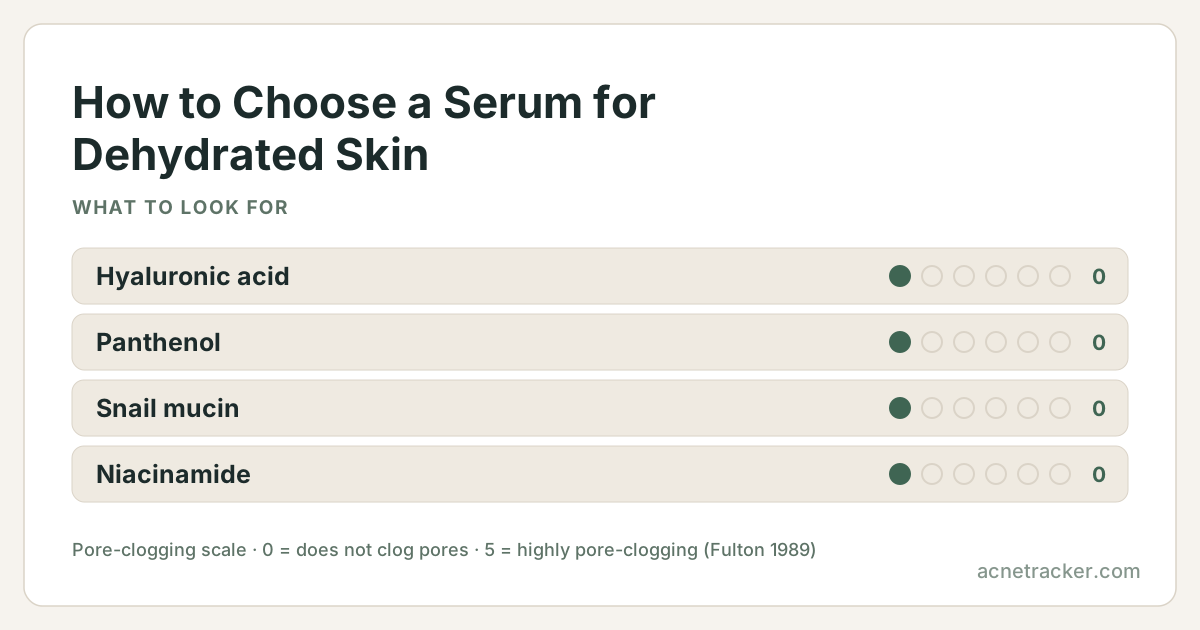
Ingredients to look for
| Ingredient | Why it matters |
|---|---|
| Hyaluronic acid | The classic humectant, binding many times its weight in water into the upper skin for an immediate plumping effect. |
| Panthenol | Attracts and holds water while soothing, easing the tight, uncomfortable feeling that defines dehydrated skin. |
| Snail mucin | A humectant-rich ingredient that hydrates and supports repair, popular for reviving tight, dehydrated skin. |
| Niacinamide | Strengthens the barrier so the water you add is held in rather than lost, making hydration last longer. |
| Glycerin | The most reliable humectant there is; unglamorous but present in nearly every genuinely effective hydrating serum. |
Ingredients to avoid
| Ingredient | Why it matters |
|---|---|
| Denatured alcohol high on the list | It evaporates and pulls water with it, directly causing the dehydration you are trying to correct. |
| Over-cleansing and hot water | Stripping the barrier lets water escape faster, so aggressive washing is a leading cause of dehydration. |
| Pure hyaluronic acid with no moisturiser on top | In dry air it can draw water from deeper skin outward; it needs sealing to actually hydrate. |
| Too many strong actives at once | Stacking acids and retinoids compromises the barrier, and a weak barrier cannot hold water. |
How to choose
Look for a serum stacked with humectants and, ideally, a barrier-supporting ingredient to keep the water in. The most effective formulas combine glycerin with hyaluronic acid of more than one molecular weight, since different sizes hydrate different depths, and often add panthenol or niacinamide. Texture should feel light and slippery, absorbing without residue, which suits even oily skin. If you are oily or combination and dehydrated, avoid rich creamy serums and choose a water-gel; if you are also dry, layer the serum under a moisturiser with occlusives. Remember that a humectant serum is only half the job — without a moisturiser sealed over the top, especially in heated or air-conditioned rooms, the water it draws in simply evaporates. Read 'hydrating' as a starting filter, then confirm the actual humectants are high on the list.
How to apply
Apply the serum to slightly damp skin right after cleansing, so the humectants have surface water to grab. Press it in, then seal within a minute or two with a moisturiser — this step is what turns temporary hydration into lasting comfort. Use it morning and evening, and add a second layer on tight days or in dry environments. Cut back on harsh cleansers and hot water at the same time, since fixing the cause matters as much as adding water back.
Frequently asked questions
Does oily skin still need a hydrating serum?
Often yes. Dehydration is a lack of water, not oil, so oily and combination skin are frequently dehydrated — and can overproduce oil to compensate. A lightweight humectant serum hydrates without adding the heaviness oily skin dislikes.
What is the difference between dehydrated and dry skin?
Dehydrated skin lacks water and is a temporary condition any skin type can have; dry skin lacks oil and is a persistent skin type. Humectant serums target dehydration, while barrier lipids like ceramides address true dryness.
Why does my skin still feel tight after a hydrating serum?
Usually because nothing is sealing the water in, so it evaporates, or a harsh cleanser is stripping the barrier faster than the serum can hydrate. Add a moisturiser on top and switch to a gentler cleanser.
How often should I use a hydrating serum?
Morning and evening is fine, and dehydrated skin often benefits from that consistency. You can layer an extra pass on especially tight days, but always follow with a moisturiser so the added water does not simply evaporate.
Sources & further reading
There is no single study of this exact question. The guidance here is reasoned from the ingredient profiles below, each of which carries its own references:
- Hyaluronic Acid3 refs
- Panthenol3 refs
- Snail Mucin2 refs
- Niacinamide2 refs
- Glycerin3 refs
Show every reference behind this page (8)
- PubChem — Hyaluronic acid compound summarycited by Hyaluronic Acid
- European Commission CosIng database — Hyaluronic Acidcited by Hyaluronic Acid, Panthenol, Snail Mucin, Niacinamide, Glycerin
- DermNet — Moisturisers and humectantscited by Hyaluronic Acid, Glycerin
- PubChem — Panthenol compound summarycited by Panthenol
- Safety Assessment of Panthenol, Pantothenic Acid, and Derivatives as Used in Cosmetics (PubMed)cited by Panthenol
- DermNet — Moisturisers and skin barriercited by Snail Mucin
- Niacinamide: mechanisms of action and its topical use in dermatology (PubMed)cited by Niacinamide
- PubChem — Glycerol compound summarycited by Glycerin
Medical disclaimer
Ingredients mentioned on this page
Find your personal acne triggers
Our free Acne Tracker lets you log breakouts, sleep, stress and diet, and shows you which factors correlate with your flare-ups.