How to Choose an Eye Cream for Dehydrated Skin
Dehydration and dryness get used interchangeably and they are not the same thing, which matters because they need different products. Dryness is a shortage of lipids and is more or less a permanent trait of your skin. Dehydration is a shortage of water, it is a temporary state, and it can happen to anyone including people whose skin is otherwise oily. Around the eye it shows up fast and dramatically: the area goes crepey, fine lines multiply overnight, and everything looks tired in a way sleep does not fix. The good news is that of all the eye-area complaints on this site, this is the one that responds fastest.
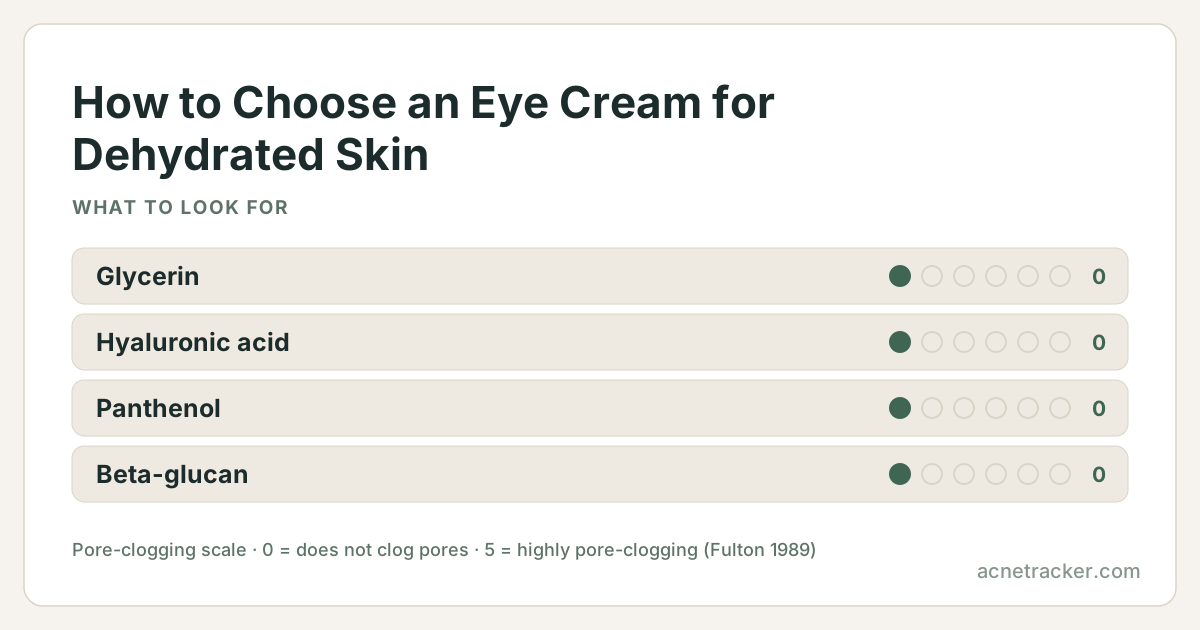
Ingredients to look for
| Ingredient | Why it matters |
|---|---|
| Glycerin | The most reliably effective humectant there is, and one of the cheapest. If it sits in the first few ingredients, the formula is serious about water regardless of what else is being advertised. |
| Hyaluronic acid | Binds a large amount of water in the upper layers, which visibly plumps thin lid skin within an hour. It needs something sealing over it or the water it grabs can leave again. |
| Panthenol | Holds water and calms the low-grade irritation that dehydrated skin tends to develop. Rarely stings, which makes it one of the safer humectants to use right up to the orbital rim. |
| Beta-glucan | A large polysaccharide humectant that forms a hydrating film on the surface. A reasonable alternative if hyaluronic acid formulas feel tight on you in dry air. |
| Squalane | Fulton rates it 1. Not a humectant at all — it is here as the light seal that stops your humectants from surrendering their water to a dry room. |
Ingredients to avoid
| Ingredient | Why it matters |
|---|---|
| Humectant-only serums with nothing on top | In dry indoor air a humectant with no seal can lose water as fast as it gains it. This is why some people find hyaluronic acid makes their under-eyes look worse in winter. |
| Denatured alcohol high in the ingredient list | It creates the fast-drying, weightless feel people like in eye gels, and it accelerates water loss from the exact area you are trying to hydrate. |
| Frequent exfoliation of the eye area | A thinner stratum corneum holds less water. Chasing brightness with acids while treating dehydration works directly against itself. |
| Long hot showers on your face | Unromantic but relevant: heat and prolonged water exposure strip surface lipids, and the eye area has the least to spare of anywhere on your body. |
How to choose
Identify it correctly first, because the fix is different from dryness. Dehydrated eye areas look crepey and finely lined but do not necessarily feel rough or flaky, the state fluctuates day to day, and it correlates obviously with flights, alcohol, heated rooms and poor sleep. Dry eye areas feel tight and flaky consistently regardless of last night. If yours fluctuates, buy for water: glycerin high in the list, hyaluronic acid or beta-glucan, panthenol, and crucially something light with lipids over the top to stop it evaporating. Texture can be lighter than a dry-skin choice — a fluid or light cream works and heavy balms are unnecessary. Skip alcohol-forward gels no matter how nice the initial feel. Then treat the environment as part of the product, because it is: a humidifier in a heated bedroom does more for a dehydrated eye area than a price upgrade ever will, and the same is true of drinking water on flights and not sleeping face-down on a pillow. This is one of the few skin concerns where lifestyle genuinely outperforms formulation.
How to apply
The order matters more than usual here. Apply to skin that is still damp from cleansing — humectants pull from whatever is available, and if there is no water on the surface they will pull it from deeper in your skin. Pat a hydrating layer on, wait a moment, then seal with something containing lipids. In winter do this twice a day. If your under-eyes look worse after using a hyaluronic acid product, you have almost certainly skipped the seal rather than found a bad product, and adding a light cream over it usually resolves it entirely.
Frequently asked questions
What is the difference between dry and dehydrated under-eyes?
Dryness is a lack of oil and is a fairly stable characteristic of your skin. Dehydration is a lack of water, it is temporary, and it fluctuates with weather, alcohol, flights and sleep. The practical test is consistency: dry is always there, dehydrated comes and goes, and they need lipids and humectants respectively.
Can dehydration cause fine lines under the eyes?
Yes, and it accounts for a surprising share of them. Water-depleted skin folds into fine parallel creases that look identical to early wrinkles but disappear within hours of proper hydration. If your lines vary noticeably from day to day, they are dehydration lines and not collagen loss.
Does drinking water help under-eye dehydration?
It helps if you are genuinely underhydrated, and does very little if you are already drinking normally. Skin hydration is governed mostly by the barrier's ability to retain water rather than by intake, which is why topical humectants and a sealing layer outperform an extra litre a day.
Why does hyaluronic acid make my under-eyes look worse?
Usually because nothing is sealing it. A humectant draws water toward the surface, and in dry indoor air that water evaporates away, potentially taking some of your skin's own with it. Applying it to damp skin and covering it with a light cream normally fixes the problem completely.
How quickly can dehydrated skin around the eyes improve?
Fast, which is the pleasant thing about this concern. Visible plumping happens within an hour of a decent humectant and seal, and a genuinely restored state takes a few days of consistent use plus fixing whatever caused it. Anything that takes months is not dehydration and should be assessed differently.
Sources & further reading
There is no single study of this exact question. The guidance here is reasoned from the ingredient profiles below, each of which carries its own references:
- Glycerin3 refs
- Hyaluronic Acid3 refs
- Panthenol3 refs
- Beta-Glucan2 refs
- Squalane3 refs
Show every reference behind this page (8)
- PubChem — Glycerol compound summarycited by Glycerin
- DermNet — Moisturiserscited by Glycerin, Hyaluronic Acid, Squalane
- European Commission CosIng database — Glycerincited by Glycerin, Hyaluronic Acid, Panthenol, Beta-Glucan, Squalane
- PubChem — Hyaluronic acid compound summarycited by Hyaluronic Acid
- PubChem — Panthenol compound summarycited by Panthenol
- Safety Assessment of Panthenol, Pantothenic Acid, and Derivatives as Used in Cosmetics (PubMed)cited by Panthenol
- PubMed — Improving skin function with CM-glucan, a biological response modifier from yeast (Int J Cosmet Sci, 1998)cited by Beta-Glucan
- PubChem — Squalane compound summarycited by Squalane
Medical disclaimer
Ingredients mentioned on this page
Find your personal acne triggers
Our free Acne Tracker lets you log breakouts, sleep, stress and diet, and shows you which factors correlate with your flare-ups.