How to Choose a Body Wash for Eczema-Prone Skin
Eczema-prone (atopic) skin has a genetically weakened barrier that loses water and lets irritants in, so it flares into dry, itchy, inflamed patches. With a body wash the priorities are clear: clean gently, protect what barrier there is, and avoid the surfactants, fragrance and high pH that reliably trigger flares. A wash cannot treat eczema — medical flares need emollients and often prescribed anti-inflammatories — but the wrong cleanser is a frequent, avoidable trigger, and a well-chosen one is part of daily maintenance. This page describes the soap-free, low-pH profile that suits atopic skin and the well-known triggers to keep out of the shower. It is general information, not a substitute for medical advice.
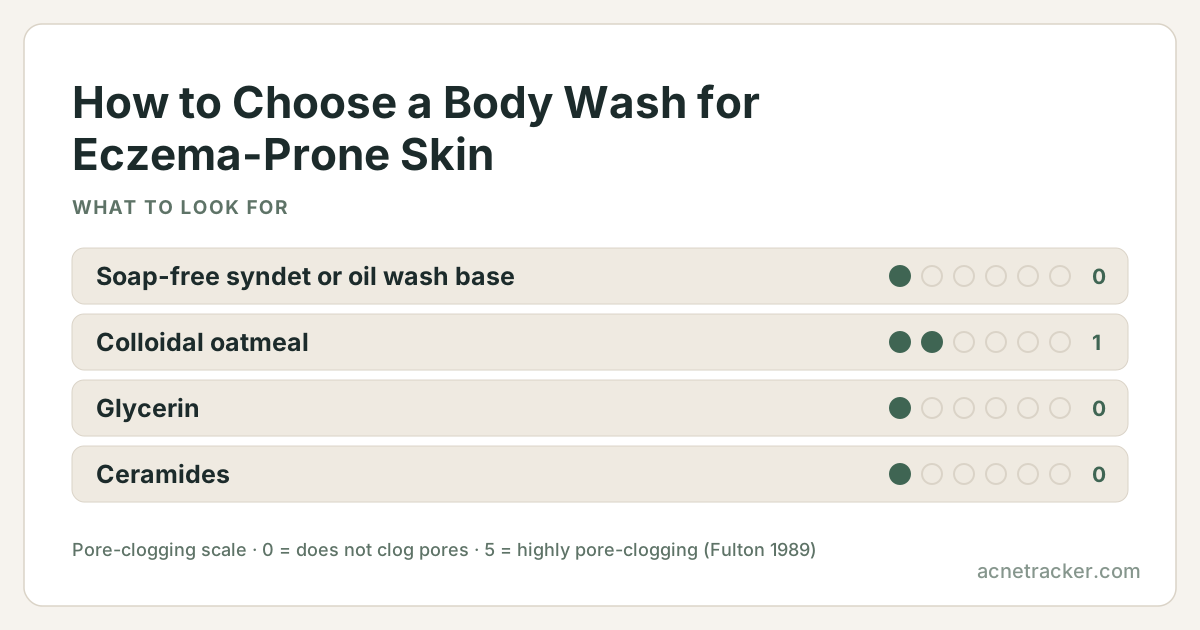
Ingredients to look for
| Ingredient | Why it matters |
|---|---|
| Soap-free syndet or oil wash base (sodium cocoyl isethionate, mild glucosides) | Cleans at skin-friendly pH without the barrier-stripping of true soap, the single most important feature for atopic skin. |
| Colloidal oatmeal | Soothes itch and inflammation and leaves a protective film; a well-established, gentle ingredient for eczema-prone skin. |
| Glycerin | A humectant that helps counter the water loss atopic skin struggles with and offsets drying from cleansing. |
| Ceramides | Replace some of the barrier lipids atopic skin is deficient in, supporting the barrier that eczema constantly undermines. |
| Panthenol | Calming and barrier-supporting, it eases the tightness and itch that follow washing on eczema-prone skin. |
Ingredients to avoid
| Ingredient | Why it matters |
|---|---|
| True soap and high-pH cleansers | They raise skin pH and strip lipids, one of the most reliable everyday eczema triggers. |
| Fragrance, essential oils and botanical extracts | Frequent contact triggers on atopic skin, whose damaged barrier lets sensitisers in more easily. |
| Sulfate surfactants (SLS) high on the list | Harsh sulfates disrupt the already-fragile barrier and can provoke or worsen a flare. |
| Hot water, long soaks and scrubbing | Not ingredients, but heat, time and friction all strip and irritate eczema-prone skin and commonly precede flares. |
How to choose
Look first for 'soap-free' and a low, skin-friendly pH, because ordinary soap is one of the most reliable eczema triggers. A syndet (synthetic detergent) bar or a gentle liquid or oil wash built on sodium cocoyl isethionate or mild glucosides fits the bill. Favour formulas with colloidal oatmeal, glycerin, ceramides or panthenol, and rule out fragrance, essential oils, botanical extracts and sulfate surfactants. Products carrying a recognised eczema-association or dermatological accreditation can be a useful shortcut, though the ingredient list is still the real check. Above all, treat the wash as one small part of eczema care: frequent emollients, short lukewarm showers and any treatments your doctor prescribes do the real work, and a gentle wash simply avoids making things worse. If your eczema is flaring, painful or infected, see a healthcare professional.
How to apply
Keep showers and baths short and lukewarm, and use a small amount of the soap-free wash only where you need it rather than all over. Cleanse gently by hand, never scrub, and rinse fully. The critical step is immediately after: pat until just damp and apply a generous emollient within a few minutes to lock in water — this 'soak and seal' approach is standard eczema advice. Reapply emollient often through the day, and follow any medical treatment plan alongside it.
Frequently asked questions
What kind of body wash is best for eczema-prone skin?
A soap-free, low-pH, fragrance-free wash built on gentle surfactants, ideally with colloidal oatmeal, glycerin or ceramides. Ordinary soap raises skin pH and strips lipids, which is a common eczema trigger, so a syndet or gentle liquid wash is preferable.
Can body wash cause an eczema flare?
Yes. Soap, high pH, sulfate surfactants and fragrance are all recognised triggers that can precede a flare on atopic skin. Switching to a soap-free, fragrance-free wash and keeping showers short and lukewarm removes one common, avoidable cause.
Should I use soap if I have eczema?
Traditional soap is best avoided because it raises skin pH and strips the barrier. A soap-free syndet bar or gentle liquid wash cleans without those effects. This is general guidance, so follow the specific advice of your doctor or dermatologist for your skin.
What should I do right after washing eczema-prone skin?
Follow the 'soak and seal' approach: pat the skin until just damp and apply a generous emollient within a few minutes, while the surface still holds water. This locks in moisture and is a cornerstone of daily eczema care, alongside any prescribed treatment.
Sources & further reading
There is no single study of this exact question. The guidance here is reasoned from the ingredient profiles below, each of which carries its own references:
- Sodium Cocoyl Isethionate2 refs
- Colloidal Oatmeal2 refs
- Glycerin3 refs
- Ceramides3 refs
- Panthenol3 refs
Show every reference behind this page (10)
- European Commission CosIng — Sodium Cocoyl Isethionatecited by Sodium Cocoyl Isethionate, Glycerin, Ceramides, Panthenol
- Cosmetic Ingredient Review — safety assessment of isethionate surfactantscited by Sodium Cocoyl Isethionate
- FDA OTC monograph — skin protectant drug products (colloidal oatmeal)cited by Colloidal Oatmeal
- PubMed — Colloidal oatmeal formulations as adjunct treatments in atopic dermatitis (J Drugs Dermatol, 2012)cited by Colloidal Oatmeal
- PubChem — Glycerol compound summarycited by Glycerin
- DermNet — Moisturiserscited by Glycerin
- DermNet — Skin barrier functioncited by Ceramides
- PubChem — Ceramide compound summarycited by Ceramides
- PubChem — Panthenol compound summarycited by Panthenol
- Safety Assessment of Panthenol, Pantothenic Acid, and Derivatives as Used in Cosmetics (PubMed)cited by Panthenol
Medical disclaimer
Ingredients mentioned on this page
Find your personal acne triggers
Our free Acne Tracker lets you log breakouts, sleep, stress and diet, and shows you which factors correlate with your flare-ups.