Can You Mix Panthenol and Salicylic Acid?
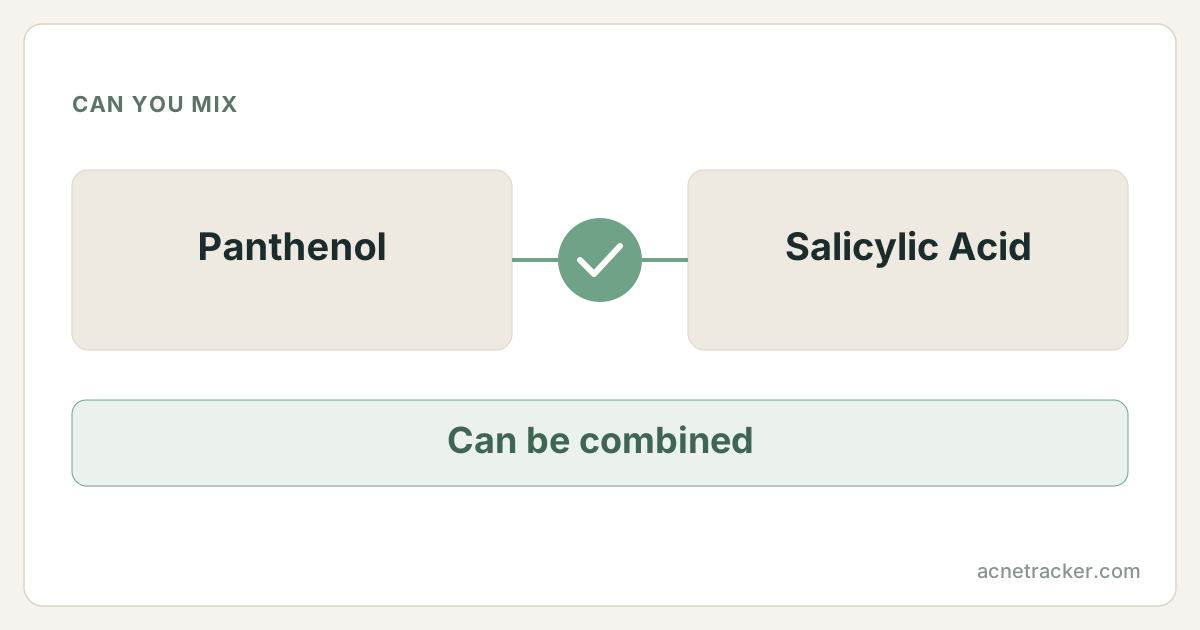
Yes, and it is a great pairing. Panthenol (provitamin B5) is a soothing humectant that calms and hydrates, making it an ideal partner for salicylic acid, which exfoliates the pore but can dry and irritate. There is no chemical conflict; panthenol simply counteracts the side effects, helping you tolerate the acid better. Apply salicylic acid first, then panthenol to soothe and moisturize.
How this pairing resolves
The two ingredients, their published numbers, and where they land together.
The numbers beside each ingredient are its published comedogenic rating and effective pH window, taken from its own profile page.
Show the numbers
| Ingredients | Metric | 0–5 |
|---|---|---|
| Panthenol | Comedogenic rating | 0/5 |
| Panthenol | Effective pH | no published pH |
| Salicylic Acid | Comedogenic rating | 0/5 |
| Salicylic Acid | Effective pH | 3.0–4.0 |
Why
This is a treat-and-repair pairing rather than two competing actives. Salicylic acid is an oil-soluble beta-hydroxy acid that penetrates the pore to dissolve the plug of oil and dead cells, which is effective for congestion but disrupts the barrier and removes moisture. Panthenol is the alcohol form of vitamin B5; once in the skin it converts to pantothenic acid, and it works as a humectant that draws in and holds water, while also supporting barrier repair and calming inflammation and redness. So where salicylic acid strips and can leave skin tight or irritated, panthenol replenishes moisture and soothes the very reactions the acid can trigger. Panthenol is not pH-sensitive in a way that clashes with salicylic acid, and it does not reduce the acid's exfoliating action, so the two are fully compatible. The result is a more comfortable routine: you get the pore-clearing benefit of salicylic acid with less of the dryness and stinging, which often means you can use the exfoliant more consistently.
How to combine them
Layer thinnest to richest. On clean skin, apply salicylic acid first and let it absorb so it can act at its working pH, then apply a panthenol serum or include a panthenol-containing moisturizer to soothe and seal in hydration. This works morning or night and is gentle enough for daily use once your skin tolerates the acid. Many people find a panthenol product especially helpful on the nights after exfoliating, or layered right over the acid to blunt irritation. Finish with SPF 30+ in the morning. Because panthenol reduces the sting, it can also help you introduce salicylic acid more comfortably when you are first building tolerance.
Example routine
| When | Steps |
|---|---|
| Morning | Cleanser → Salicylic acid → Panthenol → Moisturizer → SPF 30+ |
| Evening | Cleanser → Salicylic acid → Panthenol → Moisturizer |
| Recovery nights | Cleanser → Panthenol → Moisturizer |
| When adjusting | Add panthenol to soften salicylic-acid irritation |
Warning signs
Frequently asked questions
Does panthenol reduce how well salicylic acid works?
No. Panthenol is a soothing humectant that does not change salicylic acid's pH or block its action inside the pore. Applied after the acid absorbs, it simply hydrates and calms, so the exfoliation still works.
Which goes on first, salicylic acid or panthenol?
Salicylic acid goes first on bare skin, where its low working pH is undisturbed. Then apply panthenol to soothe and hydrate, and seal with a moisturizer. This order gives you exfoliation plus comfort.
Can panthenol help with salicylic acid irritation?
Yes. Panthenol supports barrier repair and calms redness and stinging, so it is one of the best partners for a drying acid. It can make it easier to build tolerance to salicylic acid.
Is this combination gentle enough for sensitive skin?
It is among the gentler acid routines because panthenol offsets salicylic acid's dryness. Even so, sensitive skin should start the acid at low frequency and let panthenol and moisturizer cushion the adjustment.
Sources & further reading
There is no single study of this exact question. The guidance here is reasoned from the ingredient profiles below, each of which carries its own references:
- Panthenol3 refs
- Salicylic Acid2 refs
Show every reference behind this page (5)
- PubChem — Panthenol compound summarycited by Panthenol
- European Commission CosIng database — Panthenolcited by Panthenol
- Safety Assessment of Panthenol, Pantothenic Acid, and Derivatives as Used in Cosmetics (PubMed)cited by Panthenol
- Salicylic acid as a peeling agent: a comprehensive review (PubMed)cited by Salicylic Acid
- FDA OTC monograph — acne drug products (salicylic acid 0.5–2%)cited by Salicylic Acid
Medical disclaimer
Ingredients mentioned on this page
Find your personal acne triggers
Our free Acne Tracker lets you log breakouts, sleep, stress and diet, and shows you which factors correlate with your flare-ups.