How to Choose a Body Wash for Back Acne
Back acne — 'bacne' — is stubborn partly because the skin is thick, the follicles are large, and the area is awkward to reach and easy to rinse badly. Sweat trapped under shirts, backpack straps and gym gear adds friction and occlusion that facial skin never deals with. A body wash cannot cure bacne, because it rinses off in seconds, but the right formula used correctly keeps the follicles clearer between the leave-on treatments that do the real work. This page sets out the ingredient profile worth looking for, the practical problem of reaching your own back, and how to get meaningful contact time from a product designed to wash away.
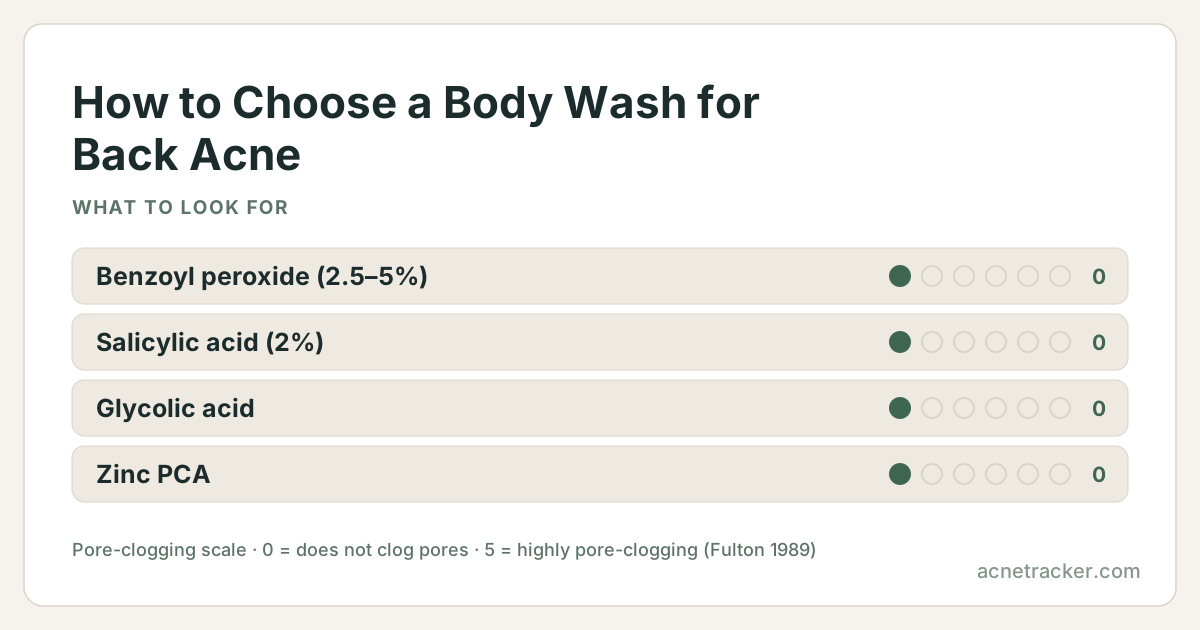
Ingredients to look for
| Ingredient | Why it matters |
|---|---|
| Benzoyl peroxide (2.5–5%) | The best-evidenced anti-bacterial active for inflamed bacne. On thicker back skin the higher end is often tolerated, but it must sit for a minute or two and it will bleach coloured fabric. |
| Salicylic acid (2%) | Penetrates the oil in large back follicles to loosen plugs; a gentler daily option when benzoyl peroxide is too drying for everyday use. |
| Glycolic acid | Smooths the rough, bumpy texture that often accompanies bacne and helps fade the brown marks left after spots heal. |
| Zinc PCA | Mildly sebum-regulating and soothing — a helpful supporting ingredient on a back that runs oily and sweaty. |
| A long-handled applicator or spray format | Not an ingredient, but decisive: a wash you cannot spread evenly over your whole back will not work, so a spray or back-brush applicator matters as much as the formula. |
Ingredients to avoid
| Ingredient | Why it matters |
|---|---|
| Rich conditioners and hair oils rinsing down the back | A leading hidden cause of bacne; rinse hair first, then wash the back last so residue does not settle in the follicles. |
| Fabric softener and heavy detergent residue | Not in the wash, but worth flagging: residue on shirts and bedding sits against the back all day and can aggravate breakouts. |
| Coloured towels and dark gym wear with benzoyl peroxide | The oxidiser bleaches them on contact while damp; keep whites for post-wash and rinse fully before dressing. |
| Aggressive back brushes on active breakouts | Stiff bristles on inflamed skin spread bacteria across a wide area and drive post-inflammatory marks. |
How to choose
Reach is the first criterion for a back product, so weigh the format as heavily as the actives: a spray-on benzoyl-peroxide or salicylic wash, or one paired with a long-handled soft applicator, reaches the mid-back that hands cannot. For the formula, inflamed and pustular bacne responds best to benzoyl peroxide, while congested, bumpy skin without much redness does better with salicylic acid; some people alternate the two on different days. Because back skin is thicker than the face, it tolerates stronger concentrations, but it still dries out, so pair actives with glycerin or a light lotion afterwards. Skip fragrance-heavy 'sport' washes that promise deep cleaning; the word means nothing. And treat any wash as one input alongside clean shirts, rinsing hair first, and a leave-on treatment — no rinse-off product clears an established back on its own.
How to apply
In the shower, wash and rinse your hair first so conditioner does not run down your back, then apply the body wash last. Use a spray or long-handled applicator to coat the whole back evenly, and leave an active wash on for one to two minutes before rinsing. Change into a clean, breathable shirt afterwards, and shower promptly after workouts rather than sitting in damp gear. If flaking appears, reduce frequency and moisturise.
Frequently asked questions
Why is back acne so much harder to clear than face acne?
Back skin is thicker with larger, more active follicles, and it faces constant friction and sweat from clothing and bags. It is also hard to reach and treat consistently, so products get applied unevenly — which is why a spray format and steady routine matter so much.
Is a spray-on body wash better for back acne?
For coverage, yes. The main practical failure with bacne is not reaching the whole back, so a spray or long-handled applicator that lets you coat the mid-back evenly often matters more than swapping the active ingredient.
Should I wash my hair before or after my back?
Wash and rinse your hair first, then clean your back last. Conditioner and hair oil running down the back is a common hidden trigger, and finishing with the body wash clears any residue from the follicles.
Can tight gym clothes cause back acne?
They can worsen it. Tight synthetic fabric traps sweat and creates friction and occlusion over the follicles, a mechanism sometimes called acne mechanica. Loose, breathable tops and a prompt post-workout shower reduce it.
Sources & further reading
There is no single study of this exact question. The guidance here is reasoned from the ingredient profiles below, each of which carries its own references:
- Benzoyl Peroxide3 refs
- Salicylic Acid2 refs
- Glycolic Acid3 refs
- Zinc PCA3 refs
Show every reference behind this page (9)
- PubChem — Benzoyl peroxide compound summarycited by Benzoyl Peroxide
- DermNet — Benzoyl peroxidecited by Benzoyl Peroxide
- FDA — Drugs (OTC acne products)cited by Benzoyl Peroxide, Salicylic Acid
- Salicylic acid as a peeling agent: a comprehensive review (PubMed)cited by Salicylic Acid
- PubChem — Glycolic acid compound summarycited by Glycolic Acid
- DermNet — Alpha hydroxy acidscited by Glycolic Acid
- European Commission CosIng database — Glycolic Acidcited by Glycolic Acid, Zinc PCA
- PubChem — Zinc PCA (zinc pyrrolidone carboxylate)cited by Zinc PCA
- Zinc l-pyrrolidone carboxylate inhibits the UVA-induced production of matrix metalloproteinase-1 by in vitro cultured skin fibroblasts, whereas it enhances their collagen synthesis (PubMed)cited by Zinc PCA
Medical disclaimer
Ingredients mentioned on this page
Find your personal acne triggers
Our free Acne Tracker lets you log breakouts, sleep, stress and diet, and shows you which factors correlate with your flare-ups.