How to Choose a Toner for Mature Skin
Mature skin tends to be drier, thinner and less resilient than it once was, with a slower cell turnover that can leave the surface rough and less radiant. That combination makes the old drying astringent toner a poor match, since it strips the very oil and moisture mature skin is short on. A better toner leans hydrating, with optional gentle resurfacing to smooth texture. This guide describes the ingredient profile that supports mature skin — humectants for the dryness, mild exfoliation for the dullness, soothing support for a thinner barrier — and the harsh formulas that leave it tighter and more fragile. The aim is comfort and healthy surface skin, not anti-ageing promises a toner cannot keep.
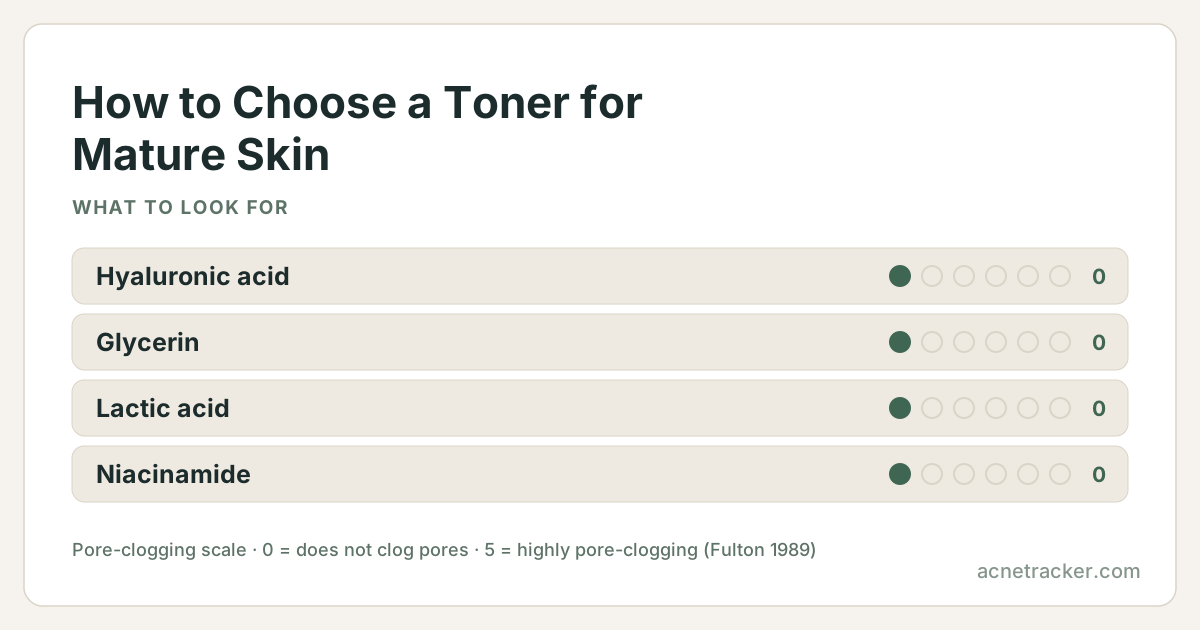
Ingredients to look for
| Ingredient | Why it matters |
|---|---|
| Hyaluronic acid | Plumps and hydrates thinner, drier skin, softening the look of fine lines that dehydration makes more visible. |
| Glycerin | A dependable humectant that keeps mature skin supple and comfortable rather than tight. |
| Lactic acid | A gentle AHA that resurfaces to smooth rough, dull texture while adding hydration, well suited to drier mature skin. |
| Niacinamide | Supports the barrier and overall skin quality, helping mature skin look healthier and more even. |
| Panthenol (provitamin B5) | Soothes and conditions a thinner, more easily irritated barrier, adding comfort to a hydrating toner. |
Ingredients to avoid
| Ingredient | Why it matters |
|---|---|
| High-alcohol astringents | They strip oil and moisture mature skin cannot spare, deepening dryness and making fine lines look more pronounced. |
| Aggressive daily acids | Thinner, less resilient skin over-exfoliates easily, so strong daily acids sensitise it rather than smoothing it. |
| Fragrance and essential oils | Add irritation risk to a more reactive barrier, with no benefit for the texture or hydration mature skin needs. |
| Very thin, fast-evaporating splashes with no humectants | They add little to dry mature skin; a humectant-rich, slightly richer toner is more comfortable and useful. |
How to choose
Match the toner to what changes with mature skin: more dryness and a rougher, duller surface. A hydrating toner built on hyaluronic acid, glycerin and panthenol addresses the dryness and tends to feel more comfortable than a thin astringent splash. If texture and dullness bother you, a gentle exfoliating toner with lactic acid, used a couple of evenings a week, smooths the surface without the harshness that thinner skin cannot handle. Avoid drying alcohol and strong daily acids, both of which sensitise mature skin. Read past 'anti-ageing', 'firming' and 'youth' claims, which a toner cannot deliver, to the actual hydrating and resurfacing ingredients. Above all, be gentle and consistent: supported, well-hydrated skin looks its best, and any exfoliation must be paired with diligent daily sun protection to avoid further texture and tone damage.
How to apply
Apply a hydrating toner to damp skin morning and night, pressing it in with the palms and layering a second pass if skin feels tight. Follow promptly with a richer moisturizer to seal the hydration, since mature skin loses water more readily. If you use a gentle exfoliating toner, limit it to a couple of evenings a week, keep it off any actively irritated areas, and do not combine it with other strong actives the same night. Wear broad-spectrum SPF every morning without fail — sun exposure is the leading driver of the texture, dryness and uneven tone associated with mature skin.
Frequently asked questions
What kind of toner suits mature skin best?
A hydrating toner built on humectants like hyaluronic acid and glycerin, optionally paired with a gentle exfoliating acid such as lactic acid for texture. Avoid drying astringents, which strip the oil and moisture mature skin already lacks.
Can a toner reduce wrinkles?
Not directly. A hydrating toner can plump the skin so fine lines look softer temporarily, and gentle exfoliation can smooth texture, but a toner does not erase wrinkles. Sunscreen and proven actives like retinoids do far more for long-term ageing.
Is exfoliation safe for mature skin?
Yes, if it is gentle and occasional. Thinner mature skin over-exfoliates easily, so a mild acid like lactic acid a couple of nights a week is safer than strong daily acids, and it should always be paired with daily sun protection.
Why does my skin feel tighter with age after toner?
Mature skin is drier and holds water less well, so a drying astringent toner makes tightness worse. Switch to a humectant-rich hydrating toner applied to damp skin and sealed with a richer moisturizer for lasting comfort.
Sources & further reading
There is no single study of this exact question. The guidance here is reasoned from the ingredient profiles below, each of which carries its own references:
- Hyaluronic Acid3 refs
- Glycerin3 refs
- Lactic Acid3 refs
- Niacinamide2 refs
- Panthenol3 refs
Show every reference behind this page (9)
- PubChem — Hyaluronic acid compound summarycited by Hyaluronic Acid
- European Commission CosIng database — Hyaluronic Acidcited by Hyaluronic Acid, Glycerin, Lactic Acid, Niacinamide, Panthenol
- DermNet — Moisturisers and humectantscited by Hyaluronic Acid, Glycerin
- PubChem — Glycerol compound summarycited by Glycerin
- PubChem — Lactic acid compound summarycited by Lactic Acid
- DermNet — Alpha hydroxy acidscited by Lactic Acid
- Niacinamide: mechanisms of action and its topical use in dermatology (PubMed)cited by Niacinamide
- PubChem — Panthenol compound summarycited by Panthenol
- Safety Assessment of Panthenol, Pantothenic Acid, and Derivatives as Used in Cosmetics (PubMed)cited by Panthenol
Medical disclaimer
Ingredients mentioned on this page
Find your personal acne triggers
Our free Acne Tracker lets you log breakouts, sleep, stress and diet, and shows you which factors correlate with your flare-ups.