How to Choose a Sunscreen for Sensitive Skin
Sensitive skin reacts to sunscreen more often than to almost any other product, because SPF is worn all over the face, every day, in a leave-on formula. Stinging, redness and a prickly feeling put many people off protection entirely — a real problem, since reactive skin is often thin and more vulnerable to UV damage. The way forward is a short, gentle formula built around well-tolerated filters and free of the usual irritants. This guide describes the mineral and modern filters that suit reactive skin, the soothing supporting ingredients worth having, and the fragrances and additives most likely to set off a flare.
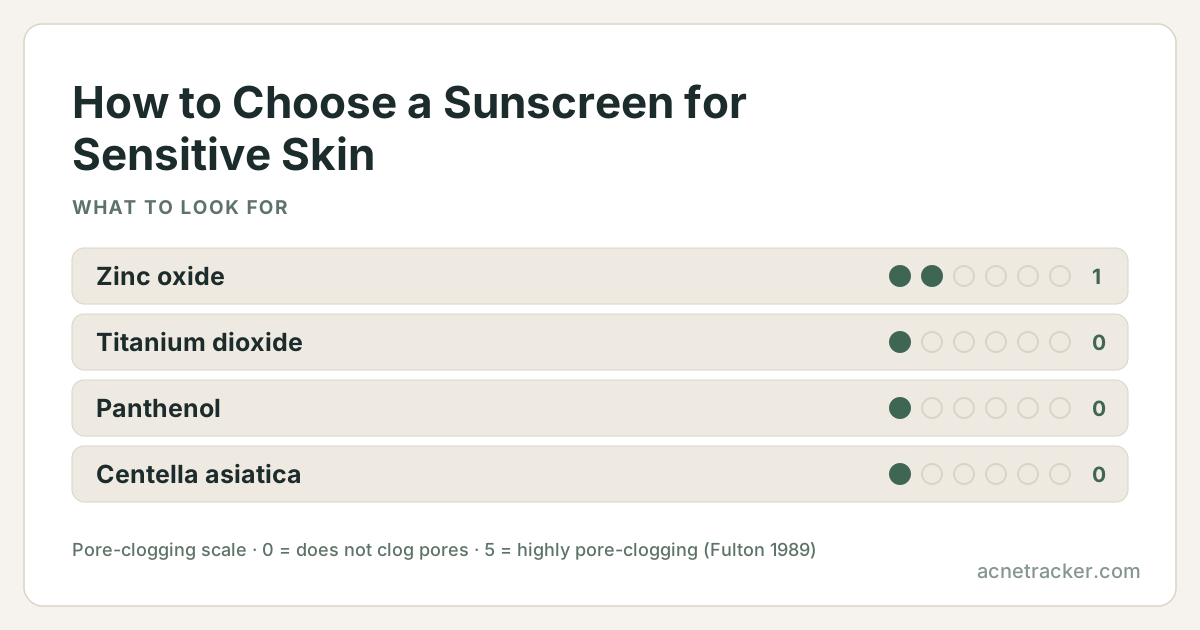
Ingredients to look for
| Ingredient | Why it matters |
|---|---|
| Zinc oxide | A mineral filter that sits on the surface, rarely stings, and is generally the best-tolerated option for reactive skin. |
| Titanium dioxide | The other gentle mineral filter, often paired with zinc oxide for broad-spectrum cover on sensitive skin. |
| Panthenol | A soothing, barrier-supporting ingredient that helps calm the low-grade irritation reactive skin is prone to. |
| Centella asiatica | A well-studied botanical for redness and irritation, useful in a daily sunscreen for sensitive skin. |
| Glycerin | A simple, non-irritating humectant that keeps the formula comfortable without adding reactive extras. |
Ingredients to avoid
| Ingredient | Why it matters |
|---|---|
| Added fragrance and essential oils | The single most common trigger of sunscreen reactions; a fragrance-free formula removes the biggest variable for sensitive skin. |
| High denatured alcohol content | Speeds drying and can sting and dehydrate thin, reactive skin, undermining an otherwise gentle formula. |
| Oxybenzone | An older chemical filter associated with more contact reactions than newer filters, best avoided on easily irritated skin. |
| Long lists of botanical extracts and colourants | More ingredients means more potential triggers; sensitive skin does better with short, focused formulas. |
How to choose
Prioritise a mineral filter system (zinc oxide, titanium dioxide) if your skin reacts easily, since these sit on the surface and are the least likely to sting. Then insist on 'fragrance-free' — not 'unscented', which can still contain masking fragrance — as the most useful single claim for sensitive skin. Keep the ingredient list short and look for soothing additions like panthenol or centella rather than long botanical cocktails. Check that alcohol denat. is not near the top. A formula that has been patch-tested or dermatologist-tested is a reasonable signal, though not a guarantee. Aim for at least SPF 30 with broad-spectrum cover. Before committing to daily use, patch-test on the inner forearm or behind the ear for a few days, since only your own skin can confirm tolerance.
How to apply
Introduce a new sunscreen slowly: patch-test first, then use it on part of the face for a few days before going all in. Apply a full two fingers' length gently, pressing rather than rubbing to minimise friction on reactive skin. Let mineral formulas set for a minute or two so they do not feel draggy. Reapply every two hours outdoors, and if reapplying over the day feels irritating, a mineral powder SPF is a low-contact option. If a formula stings persistently or leaves lasting redness, stop and try a simpler one rather than pushing through.
Frequently asked questions
Is mineral or chemical sunscreen better for sensitive skin?
Mineral filters like zinc oxide and titanium dioxide are usually best tolerated because they sit on the surface and rarely sting. Some sensitive skin does fine with gentle modern chemical filters, but mineral is the safer starting point.
Why does my sunscreen sting even though it is 'gentle'?
Common culprits are added fragrance, essential oils and high alcohol content. Switch to a short, fragrance-free mineral formula and patch-test it before daily use to find one your skin tolerates.
Does 'fragrance-free' really matter for sensitive skin?
Yes, more than almost any other claim. Fragrance is the most common cause of sunscreen reactions. Choose 'fragrance-free' specifically, since 'unscented' products can still contain masking fragrance.
How do I patch-test a new sunscreen?
Apply a small amount to the inner forearm or behind the ear once daily for a few days and watch for redness, itching or bumps. If it stays comfortable, extend to a small area of the face before full use.
Sources & further reading
There is no single study of this exact question. The guidance here is reasoned from the ingredient profiles below, each of which carries its own references:
- Zinc Oxide2 refs
- Titanium Dioxide3 refs
- Panthenol3 refs
- Centella Asiatica2 refs
- Glycerin3 refs
Show every reference behind this page (10)
- FDA — Sunscreen: How to Read a Label and drug factscited by Zinc Oxide
- PubChem — Zinc Oxide compound summarycited by Zinc Oxide
- PubChem — Titanium dioxide compound summarycited by Titanium Dioxide
- European Commission CosIng database — Titanium Dioxide (CI 77891)cited by Titanium Dioxide, Panthenol, Centella Asiatica, Glycerin
- DermNet — Sunscreencited by Titanium Dioxide
- PubChem — Panthenol compound summarycited by Panthenol
- Safety Assessment of Panthenol, Pantothenic Acid, and Derivatives as Used in Cosmetics (PubMed)cited by Panthenol
- Bylka W et al. Centella asiatica in dermatology: an overview. Phytother Res 2014 Aug (PubMed)cited by Centella Asiatica
- PubChem — Glycerol compound summarycited by Glycerin
- DermNet — Moisturiserscited by Glycerin
Medical disclaimer
Ingredients mentioned on this page
Find your personal acne triggers
Our free Acne Tracker lets you log breakouts, sleep, stress and diet, and shows you which factors correlate with your flare-ups.