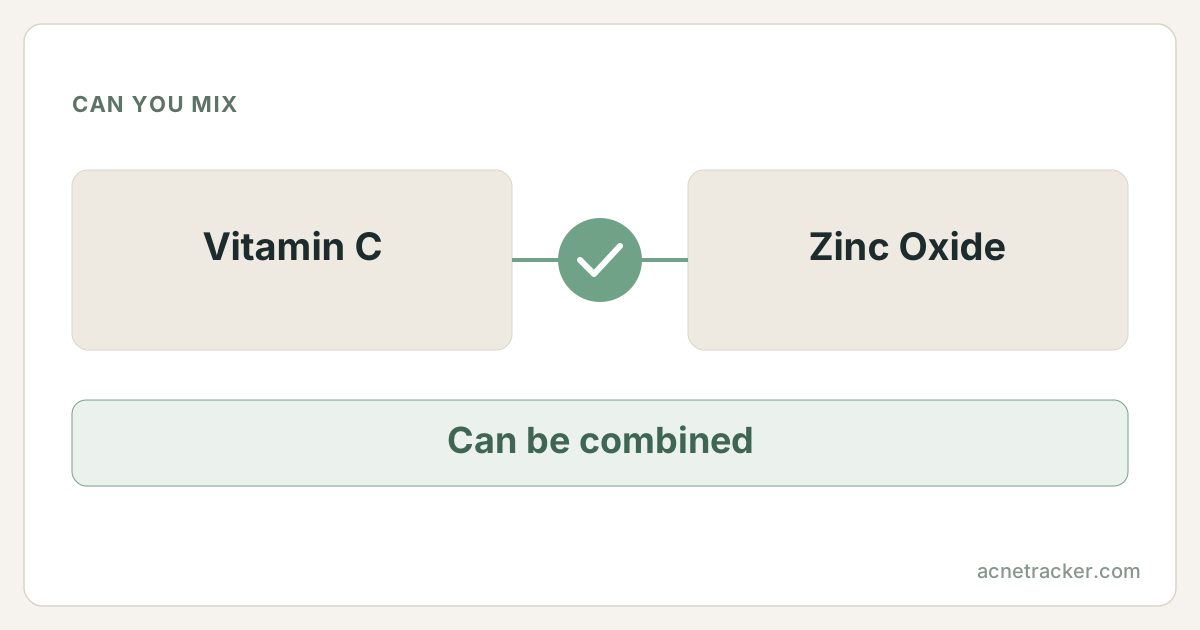
Can You Mix Vitamin C and Zinc Oxide?
Yes — this is the ideal morning routine, not just a compatible one. Vitamin C is an antioxidant that neutralizes free radicals from UV and pollution, while a zinc oxide sunscreen physically blocks and scatters UV. Used together, they give layered protection: sunscreen stops most UV, and vitamin C mops up the damage that gets through. Apply vitamin C first, let it absorb, then your zinc oxide SPF.
How this pairing resolves
The two ingredients, their published numbers, and where they land together.
The numbers beside each ingredient are its published comedogenic rating and effective pH window, taken from its own profile page.
Show the numbers
| Ingredients | Metric | 0–5 |
|---|---|---|
| Vitamin C | Comedogenic rating | 0/5 |
| Vitamin C | Effective pH | 2.5–3.5 |
| Zinc Oxide | Comedogenic rating | 1/5 |
| Zinc Oxide | Effective pH | no published pH |
Why
Sunscreen and antioxidants are complementary defenses, not competitors, which is why this is considered a gold-standard daytime pairing. Zinc oxide is a mineral (physical) UV filter that reflects and absorbs both UVA and UVB across a broad spectrum, reducing the amount of radiation reaching the skin. No sunscreen blocks 100% of UV, though, and the rays that penetrate generate free radicals that damage collagen and trigger pigmentation. That is where vitamin C earns its place: as a topical antioxidant it neutralizes those free radicals, adding a second layer of defense beneath the physical barrier. Research on antioxidant-plus-sunscreen routines shows the combination limits UV-induced damage more than sunscreen alone. There is no chemical conflict — vitamin C sits in its serum beneath the sunscreen film and does its work at skin level, while zinc oxide functions on the surface. Zinc oxide is also one of the gentlest filters, making this a good option for sensitive or reactive skin that wants both protection and antioxidant support.
How to combine them
Order matters with sunscreen. Cleanse, apply your vitamin C serum to dry skin, and let it fully absorb for a few minutes. Then apply moisturizer if you use one, and finish with a generous, even layer of zinc oxide sunscreen as the last step of your morning routine — sunscreen must sit on top to form an unbroken protective film, so never dilute it by mixing it with serum. Use enough SPF (about a quarter teaspoon for the face) and reapply through the day if you are outdoors. This is a morning-only combination by design; vitamin C belongs in the daytime precisely because it supports sun protection. At night you can use vitamin C again or switch to other treatments.
Example routine
| When | Steps |
|---|---|
| Morning | Cleanser → Vitamin C serum → Moisturizer → Zinc oxide SPF |
| Absorption | Let vitamin C absorb a few minutes before sunscreen |
| Application | Use a generous, even SPF layer as the final step |
| Reapplication | Reapply sunscreen through the day when outdoors |
Warning signs
Frequently asked questions
Should vitamin C go on before or after sunscreen?
Before. Apply vitamin C serum first and let it absorb, then sunscreen as the final layer. Sunscreen must sit on top as an unbroken film, so it always goes on last.
Does vitamin C replace sunscreen?
No. Vitamin C is an antioxidant that reduces free-radical damage but does not block UV. It works beneath sunscreen as a second line of defense; the zinc oxide SPF does the actual blocking.
Why is vitamin C plus mineral SPF considered ideal?
Sunscreen stops most UV, and vitamin C neutralizes the free radicals from the UV that gets through, so together they limit sun damage more effectively than sunscreen used alone.
Can I mix my vitamin C into my sunscreen to save a step?
No. Diluting sunscreen disrupts its protective film and lowers its SPF. Keep them as separate layers, with vitamin C first and sunscreen applied generously on top.
Sources & further reading
There is no single study of this exact question. The guidance here is reasoned from the ingredient profiles below, each of which carries its own references:
- Vitamin C3 refs
- Zinc Oxide2 refs
Show every reference behind this page (5)
- PubChem — Ascorbic Acid compound summarycited by Vitamin C
- DermNet — Topical vitamin Ccited by Vitamin C
- European Commission CosIng database — Ascorbic Acidcited by Vitamin C
- FDA — Sunscreen: How to Read a Label and drug factscited by Zinc Oxide
- PubChem — Zinc Oxide compound summarycited by Zinc Oxide
Medical disclaimer
Ingredients mentioned on this page
Find your personal acne triggers
Our free Acne Tracker lets you log breakouts, sleep, stress and diet, and shows you which factors correlate with your flare-ups.