How to Choose a Sunscreen for Dehydrated Skin
Dehydrated skin lacks water, not necessarily oil, so it can happen on any skin type — oily skin included. The tell-tale signs are tightness, dullness and fine surface lines that appear when you smile, and the wrong sunscreen makes all of them worse. A drying, alcohol-heavy formula pulls even more water from an already water-starved surface. The fix is a sunscreen rich in humectants that draw and hold moisture, in a comfortable, non-stripping base. This guide describes the water-binding ingredients and finishes that leave dehydrated skin plump and protected, and the additives that leave it tight and flaky by midday.
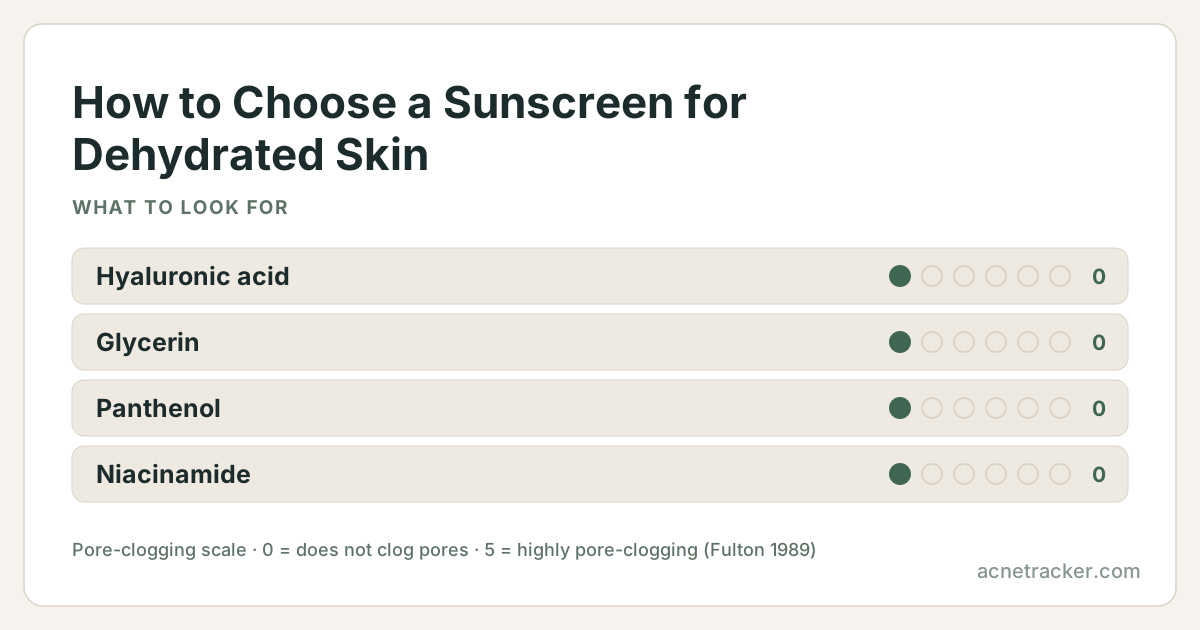
Ingredients to look for
| Ingredient | Why it matters |
|---|---|
| Hyaluronic acid | Binds many times its weight in water at the surface, directly addressing the water deficit that defines dehydrated skin. |
| Glycerin | A proven humectant that draws water into the skin and keeps a sunscreen feeling comfortable rather than tight. |
| Panthenol | A humectant with soothing, barrier-supporting properties that helps dehydrated skin hold on to moisture. |
| Niacinamide | Strengthens the barrier so the skin loses less water through the surface, tackling a root cause of dehydration. |
| A comfortable, dewy or hydrating finish | A non-drying vehicle keeps humectants working and stops the sunscreen from stripping the surface further. |
Ingredients to avoid
| Ingredient | Why it matters |
|---|---|
| High denatured alcohol content | It gives a quick-dry feel but evaporates moisture from the surface, deepening the tightness of dehydrated skin. |
| Strongly mattifying formulas with absorbent powders | They soak up moisture and oil alike, accentuating dullness and surface lines on water-starved skin. |
| Harsh, stripping textures marketed only on 'lightweight' feel | Lightweight is fine, but not at the cost of hydration; a drying light fluid still leaves dehydrated skin tight. |
| Fragrance and irritants that compromise the barrier | A weakened barrier loses more water, so irritating additives indirectly worsen dehydration over time. |
How to choose
Because dehydration is a water problem, look for humectants high in the ingredient list — hyaluronic acid, glycerin, panthenol — and barrier support like niacinamide that helps the skin retain water. Crucially, check that alcohol denat. is not near the top, since it undoes hydration by speeding evaporation. Note that dehydrated skin is not the same as dry skin: oily-but-dehydrated skin still wants a light, non-greasy base, just one loaded with humectants rather than heavy oils, while dry-and-dehydrated skin can take a richer cream. Any modern filter system works; the base and humectant content decide comfort. Keep the protection at SPF 30 broad-spectrum or above while you optimise for comfort — 'lightweight' is a texture preference, not a reason to accept a lower number. Judge by feel a couple of hours after applying: a good choice leaves skin comfortable and supple, never tight, whatever its finish looks like.
How to apply
Layer a hydrating serum or essence with humectants under your sunscreen for extra water, then apply a full two fingers' length while the skin is still slightly damp to lock in moisture. Press it in gently rather than rubbing. Reapply every two hours outdoors; a hydrating mist before a stick or cushion SPF refreshes both hydration and protection without a tight, powdery feel. Avoid over-washing and hot water in the rest of your routine, since both strip water from the surface and leave dehydrated skin working against your sunscreen.
Frequently asked questions
Does dehydrated skin actually need a different sunscreen than dry skin?
The filters do not change; the base does. Dry skin lacks oil and is a skin type; dehydrated skin lacks water and is a temporary condition that any type can have, oily included. Dry skin tolerates — and often wants — a rich emollient base. Dehydrated skin mainly needs the base not to work against it: no high alcohol content, and humectants in the vehicle, so the layer you must reapply all day is not quietly drying you out.
Can oily skin be dehydrated, and what sunscreen helps?
Yes, oily skin is often dehydrated. Choose a light, non-greasy sunscreen rich in humectants like glycerin and hyaluronic acid, so it adds water without the heavy oils that would make oily skin shiny.
Why does my sunscreen make my skin feel tight?
Usually the base is drying, often from high alcohol content or strong mattifiers. Switch to a hydrating formula with hyaluronic acid and glycerin and avoid alcohol-heavy 'dry-touch' fluids to relieve the tightness.
Should I apply hydrating products before sunscreen?
Yes. A humectant serum or essence under your SPF gives dehydrated skin extra water. Applying sunscreen while the skin is still slightly damp helps seal that moisture in for a more comfortable, plump finish.
Sources & further reading
There is no single study of this exact question. The guidance here is reasoned from the ingredient profiles below, each of which carries its own references:
- Hyaluronic Acid3 refs
- Glycerin3 refs
- Panthenol3 refs
- Niacinamide2 refs
Show every reference behind this page (7)
- PubChem — Hyaluronic acid compound summarycited by Hyaluronic Acid
- European Commission CosIng database — Hyaluronic Acidcited by Hyaluronic Acid, Glycerin, Panthenol, Niacinamide
- DermNet — Moisturisers and humectantscited by Hyaluronic Acid, Glycerin
- PubChem — Glycerol compound summarycited by Glycerin
- PubChem — Panthenol compound summarycited by Panthenol
- Safety Assessment of Panthenol, Pantothenic Acid, and Derivatives as Used in Cosmetics (PubMed)cited by Panthenol
- Niacinamide: mechanisms of action and its topical use in dermatology (PubMed)cited by Niacinamide
Medical disclaimer
Ingredients mentioned on this page
Find your personal acne triggers
Our free Acne Tracker lets you log breakouts, sleep, stress and diet, and shows you which factors correlate with your flare-ups.