How to Choose a Sunscreen for Combination Skin
Combination skin is a balancing act: an oily T-zone that goes shiny by midday alongside cheeks that can feel dry or tight. A sunscreen built for one zone tends to fail the other — a mattifying fluid leaves the cheeks parched, while a rich cream turns the forehead greasy. The workable answer is a middle-ground formula that hydrates lightly without heavy oils, or a smart pairing of textures across the face. This guide describes the balanced bases and supporting ingredients that suit mixed skin, and how to decide between one universal product and zoning two, so protection feels even everywhere.
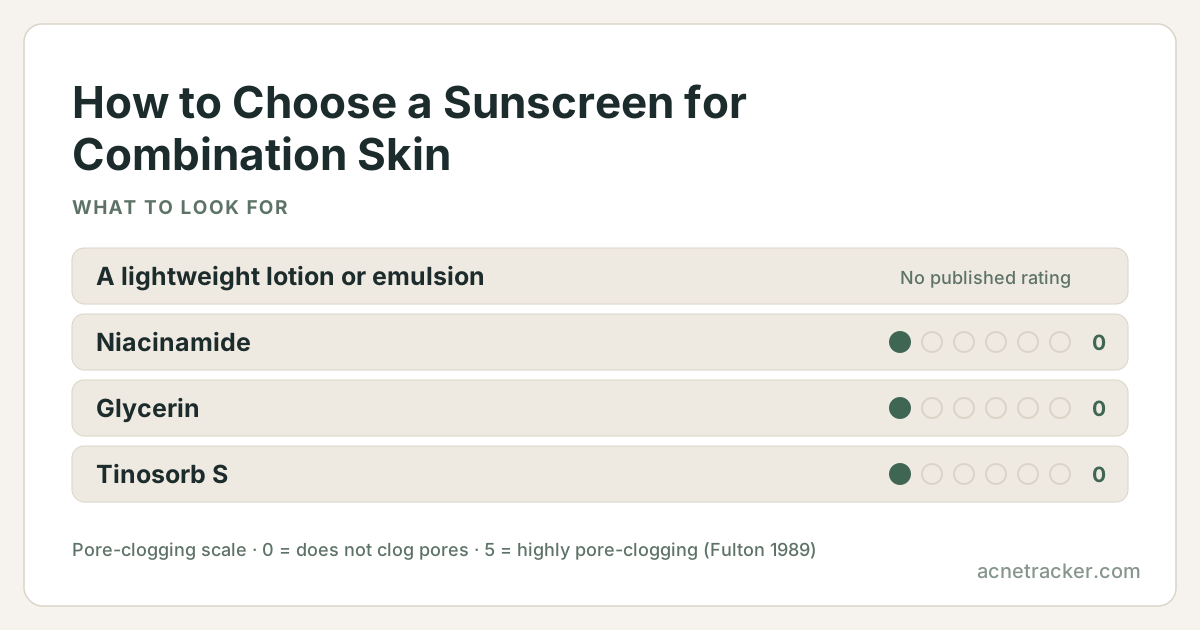
Ingredients to look for
| Ingredient | Why it matters |
|---|---|
| A lightweight lotion or emulsion base (between fluid and cream) | A medium-weight vehicle hydrates dry cheeks without the greasy film that makes an oily T-zone shine. |
| Niacinamide | Helps regulate oil in the T-zone while supporting the barrier on drier areas, a good all-rounder for mixed skin. |
| Glycerin | A light humectant that hydrates dry zones without the heaviness that would trouble the oily parts of the face. |
| Tinosorb S | A modern broad-spectrum filter that formulates into balanced, comfortable bases that work across skin types. |
| Squalane | A non-greasy emollient that softens dry patches without clogging the shinier central face. |
Ingredients to avoid
| Ingredient | Why it matters |
|---|---|
| Heavy, rich cream bases | They comfort dry cheeks but overload the oily T-zone, leaving it greasy and prone to congestion. |
| Strongly mattifying, alcohol-heavy fluids | They control T-zone shine but dehydrate the drier areas, leaving cheeks tight and flaky. |
| Comedogenic oils like coconut oil | The oily zone of combination skin is prone to congestion, so pore-clogging oils cause breakouts there. |
| One-note formulas marketed only as 'mattifying' or only as 'rich' | Single-purpose bases rarely satisfy both zones of combination skin at once. |
How to choose
Aim for a balanced texture: a light lotion or emulsion sits between the mattifying fluids made for oily skin and the rich creams made for dry skin, and usually suits combination skin best as a single product. Look for light humectants such as glycerin and niacinamide rather than heavy butters, and keep comedogenic oils off the top of the list to protect the congestion-prone T-zone. Any modern filter system works; comfort and finish matter more than filter type. If no single product satisfies both zones, consider zoning — a lighter, more mattifying SPF on the T-zone and a more hydrating one on the cheeks — though most people manage well with one balanced formula. Aim for at least SPF 30, broad-spectrum, and judge the finish across the whole face after a couple of hours, not just where you first notice it.
How to apply
Apply a full two fingers' length across the face, spreading a slightly thinner layer over the oily T-zone and pressing a touch more into drier cheeks. Let it absorb before makeup to limit shine and pilling. Over the day, the T-zone will usually be the first to break through — a translucent powder or fluid SPF there refreshes protection and controls shine without drying the cheeks. If you zone two products, apply the more hydrating one to the cheeks first, then the lighter one to the central face, and reapply each where it is needed.
Frequently asked questions
Can one sunscreen work for both oily and dry areas?
Usually yes. A balanced, lightly hydrating lotion suits most combination skin without making the T-zone greasy or leaving cheeks tight. Only very uneven skin tends to need two products zoned across the face.
Should I use two different sunscreens on combination skin?
It is optional. Zoning a mattifying SPF on the T-zone and a hydrating one on the cheeks can help stubborn cases, but most people do fine with a single balanced formula and targeted touch-ups.
How do I stop my T-zone getting shiny under sunscreen?
Choose a balanced rather than rich base, apply a thinner layer there, and top up with a translucent powder or fluid SPF midday. That controls shine and refreshes protection without drying the rest of the face.
Is a mattifying sunscreen wrong for combination skin?
It can leave the drier cheeks tight even while it helps the T-zone. A lightly hydrating, balanced formula is usually a better single choice, or reserve mattifying products for the oily zone only.
Sources & further reading
There is no single study of this exact question. The guidance here is reasoned from the ingredient profiles below, each of which carries its own references:
- Niacinamide2 refs
- Glycerin3 refs
- Tinosorb S2 refs
- Squalane3 refs
Show every reference behind this page (6)
- Niacinamide: mechanisms of action and its topical use in dermatology (PubMed)cited by Niacinamide
- European Commission CosIng database — Niacinamidecited by Niacinamide, Glycerin, Tinosorb S, Squalane
- PubChem — Glycerol compound summarycited by Glycerin
- DermNet — Moisturiserscited by Glycerin, Squalane
- SCCS opinions on organic UV filterscited by Tinosorb S
- PubChem — Squalane compound summarycited by Squalane
Medical disclaimer
Ingredients mentioned on this page
Find your personal acne triggers
Our free Acne Tracker lets you log breakouts, sleep, stress and diet, and shows you which factors correlate with your flare-ups.