How to Choose a Spot Treatment for Papules
A papule is a small, raised, red bump with no visible head — inflamed but not filled with pus, so there is nothing to squeeze out. That distinction shapes the whole approach: because a papule is about inflammation rather than a plug or a pocket of fluid, the goal is to calm it, not to dry it into oblivion or force it open. People often reach for the harshest gel they own, which reddens the surface further and can leave a mark once the papule fades. This guide describes the anti-inflammatory and antibacterial actives that actually settle a red bump, the products that make inflammation worse, and how to treat a papule without turning it into something that scars.
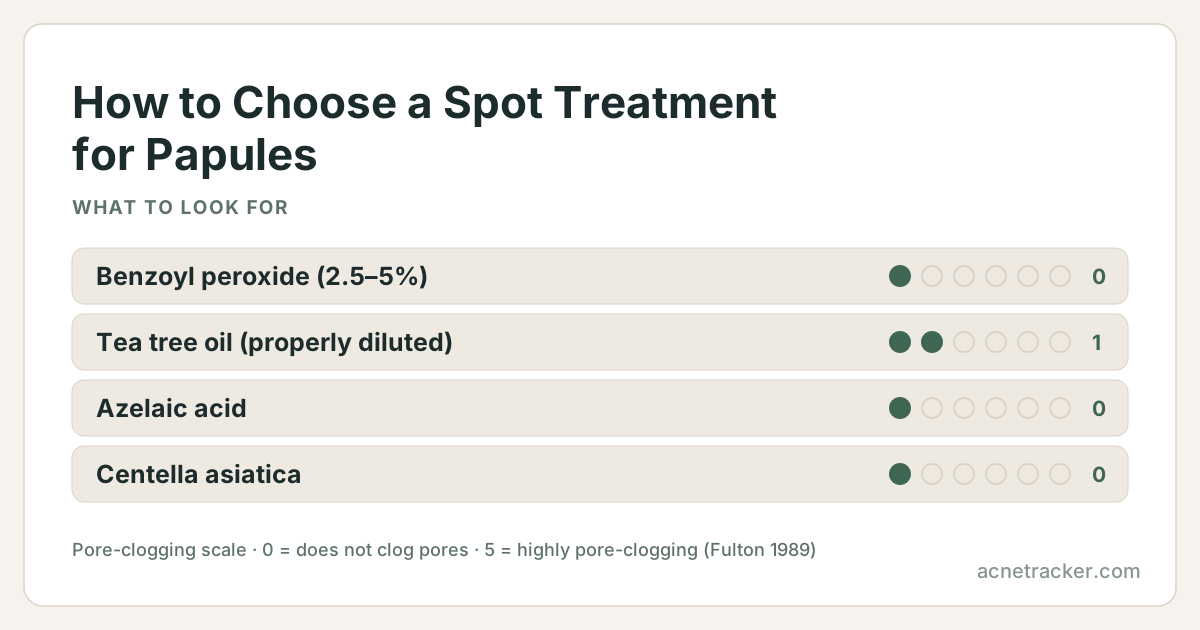
Ingredients to look for
| Ingredient | Why it matters |
|---|---|
| Benzoyl peroxide (2.5–5%) | Targets the bacteria and inflammation behind a red papule; lower strengths calm the bump without the excess dryness that adds redness. |
| Tea tree oil (properly diluted) | A gentler antibacterial with anti-inflammatory action for a single inflamed bump, but only diluted, never neat on the skin. |
| Azelaic acid | Calms inflammation and helps prevent the dark mark a papule often leaves once it settles, and it suits sensitive skin. |
| Centella asiatica | Soothes the redness and swelling of a papule and supports the skin's recovery without irritating it further. |
| Niacinamide | Reduces redness and supports the barrier, a low-irritation partner that keeps surrounding skin calm while a papule heals. |
Ingredients to avoid
| Ingredient | Why it matters |
|---|---|
| Trying to squeeze or 'pop' the papule | There is no head and nothing to release; pressure only deepens the inflammation, damages the skin and invites a scar. |
| Alcohol, toothpaste and other drying hacks | They burn the surface of an already inflamed bump, worsening redness and barrier damage rather than calming the papule. |
| Stacking multiple strong actives on one bump | Layering acids and peroxide on inflamed skin causes an irritant reaction that outlasts the papule and can leave a lasting mark. |
| Aggressive scrubbing over active papules | Physical friction inflames raised, tender skin further and can spread the reaction across the surrounding area. |
How to choose
Choose for inflammation, not for plugs. Since a papule is a red, headless bump, the useful actives calm and de-inflame rather than exfoliate hard or dry aggressively. A low-strength benzoyl peroxide is the reliable default, reducing the bacteria and inflammation that make the bump red, while a lower concentration avoids the over-drying that ironically makes it look angrier. For a gentler route, a properly diluted tea tree oil offers antibacterial and soothing action on a single bump, and azelaic acid both calms the papule and heads off the dark mark it can leave behind. Reach for soothing agents like centella and niacinamide to keep surrounding skin settled. Keep the formula light and fragrance-free, apply it only to the bump and just around it, and resist the urge to attack it — a papule responds to calming, not to force, and the biggest determinant of whether it leaves a mark is often how gently you treat it.
How to apply
Cleanse and dry the skin, then dab a thin layer of your chosen active — a low-strength benzoyl peroxide, diluted tea tree oil, or azelaic acid — onto the papule and the skin immediately around it. Follow with a plain moisturiser so the surrounding barrier stays calm, which helps inflammation settle faster. Use once or twice a day and give it time; a papule typically calms over several days. Do not squeeze, pick or scrub it, since there is nothing to extract and pressure only prolongs the inflammation and raises the chance of a lingering mark.
Frequently asked questions
Why won't the spot treatment that works on my whiteheads do anything for a papule?
Because there is no plug for it to act on. A papule is a red, raised bump with no visible head and no pus, while a pustule has a white or yellow centre of pus. Drying, plug-dissolving spot treatments are built to empty something out — a papule has nothing to release, so the product only dehydrates the surface over an inflamed bump. Papules call for calming actives instead, and never squeezing.
Can I pop a papule?
No. A papule has no head and no fluid, so there is nothing to extract, and squeezing only pushes the inflammation deeper, damages the skin and makes a scar more likely. Treat it with a soothing, anti-inflammatory active instead.
How long does a papule take to go away?
Left alone and treated gently, a papule usually settles over several days. A low-strength benzoyl peroxide or azelaic acid can speed the process, but attacking it with harsh drying products tends to prolong the redness.
Why did my papule leave a dark mark?
Inflammation can trigger a temporary discolouration called post-inflammatory hyperpigmentation, and picking or over-treating makes it more likely. Azelaic acid both calms the papule and helps fade the mark it leaves behind.
Sources & further reading
There is no single study of this exact question. The guidance here is reasoned from the ingredient profiles below, each of which carries its own references:
- Benzoyl Peroxide3 refs
- Tea Tree Oil2 refs
- Azelaic Acid3 refs
- Centella Asiatica2 refs
- Niacinamide2 refs
Show every reference behind this page (10)
- PubChem — Benzoyl peroxide compound summarycited by Benzoyl Peroxide
- DermNet — Benzoyl peroxidecited by Benzoyl Peroxide
- FDA — Drugs (OTC acne products)cited by Benzoyl Peroxide
- PubChem — Tea tree oilcited by Tea Tree Oil
- DermNet — Tea tree oilcited by Tea Tree Oil
- PubChem — Azelaic acid compound summarycited by Azelaic Acid
- DermNet — Azelaic acidcited by Azelaic Acid
- European Commission CosIng database — Azelaic Acidcited by Azelaic Acid, Centella Asiatica, Niacinamide
- Bylka W et al. Centella asiatica in dermatology: an overview. Phytother Res 2014 Aug (PubMed)cited by Centella Asiatica
- Niacinamide: mechanisms of action and its topical use in dermatology (PubMed)cited by Niacinamide
Medical disclaimer
Ingredients mentioned on this page
Find your personal acne triggers
Our free Acne Tracker lets you log breakouts, sleep, stress and diet, and shows you which factors correlate with your flare-ups.