How to Choose a Spot Treatment for Blackheads
A blackhead is an open comedone: a pore packed with oil and dead skin whose surface is exposed to air, so the plug oxidises and darkens. The colour is oxidation, not dirt, which is why scrubbing and 'deep-cleaning' never clear them — the blockage is inside the pore, out of reach of anything that only touches the surface. Blackheads are also stubborn: they sit in the pore for a long time and tend to return in the same places. The realistic goal is steady clearing and prevention, not a one-off purge. This guide explains which actives actually get into the pore, why the popular quick fixes disappoint, and how to keep the pores clear once you have made progress.
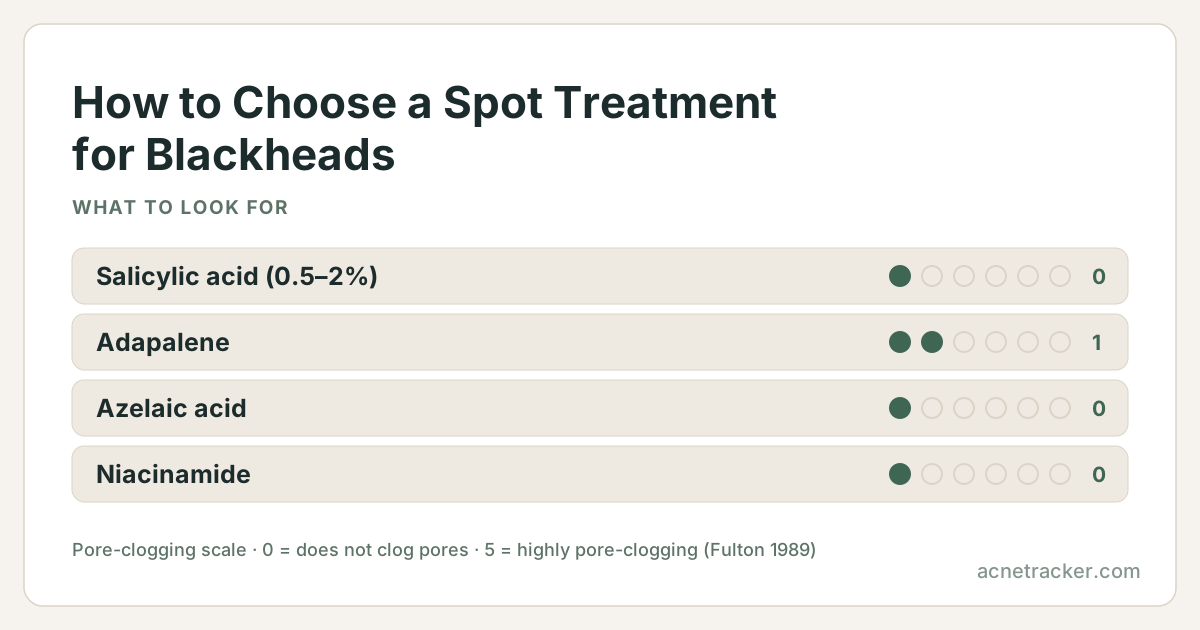
Ingredients to look for
| Ingredient | Why it matters |
|---|---|
| Salicylic acid (0.5–2%) | Oil-soluble, so it penetrates the open plug and dissolves it from within — the most reliable active for clearing and preventing blackheads. |
| Adapalene | A retinoid that keeps pores from re-plugging by regulating skin-cell turnover, addressing the cause rather than one visible blackhead. |
| Azelaic acid | Helps unclog and refine congested areas gently, a useful option for skin that finds stronger acids or retinoids too irritating. |
| Niacinamide | Moderates oil production over time, reducing the sebum supply that keeps refilling pores after you have cleared them. |
| A well-formulated BHA in gel or fluid form | For blackheads the delivery matters: a leave-on, low-pH salicylic product spread across the zone beats a rinse-off wash. |
Ingredients to avoid
| Ingredient | Why it matters |
|---|---|
| Squeezing or metal extractor tools at home | Forcing a plug damages the pore wall, can spread bacteria, and often leaves the pore looking larger and more prone to refilling. |
| Pore strips as a main strategy | They pull the top off some plugs but leave the pore lining congested, so the blackheads reappear within days without changing anything. |
| Harsh scrubs and stiff brushes | Physical abrasion irritates the surface without reaching the plug and can inflame skin that was only mildly congested. |
| Heavy, comedogenic oils and balms | Rich occlusive textures add to the exact oil load that forms blackheads, undoing the work of an exfoliant. |
How to choose
Because a blackhead is a plug inside the pore, choose an active that can get in there, and the standout is a leave-on salicylic acid: its oil solubility lets it dissolve the sebum core that a surface product cannot touch. Prioritise a low-pH gel, essence or fluid you apply across the whole congested zone — the nose, chin or wherever they cluster — rather than dabbing single dots, since blackheads come in groups and prevention is the real win. If they keep returning, an adapalene at night tackles the root cause by keeping pores from re-plugging, and pairs well with salicylic acid used on alternate days for reactive skin. Azelaic acid is the gentler substitute when acids or retinoids sting. Skip anything sold as an instant purge — strips, vacuums, aggressive scrubs — because they address the visible top of the plug, not the pore behind it, so the blackheads simply come back.
How to apply
Apply a leave-on salicylic acid to clean, dry skin across the areas where blackheads gather, not just on one spot, and follow with a light moisturiser. Introduce it a few times a week and build up as tolerated. If you add adapalene, use it at night across the same zone and expect real change over weeks, not days — blackhead clearing is gradual. Avoid the urge to squeeze between applications; extraction at home tends to enlarge the pore and invite refilling. Keep textures light and non-comedogenic throughout your routine, since heavy products feed the congestion the treatment is working to clear.
Frequently asked questions
Will washing more often clear blackheads?
No — they are not a dirt problem. The dark colour is oil and dead skin in an open pore reacting with air and oxidising, not trapped grime. That is why scrubbing does not clear them — the plug is inside the pore, and only an oil-soluble active like salicylic acid reaches it.
Do pore strips get rid of blackheads?
Only temporarily and superficially. A strip may lift the top off some plugs, but the pore lining stays congested and refills within days. A leave-on salicylic acid works on the plug itself and, unlike strips, helps prevent new ones.
How long until a blackhead treatment works?
Expect gradual progress over several weeks of consistent use rather than an overnight change. Blackheads are stubborn and recurrent, so the aim is steady clearing and prevention, best maintained with salicylic acid or a nightly adapalene.
Should I squeeze blackheads out?
It is best avoided. Squeezing damages the pore wall, can push bacteria deeper, and often leaves the pore looking larger and quicker to refill. Dissolving the plug with an oil-soluble exfoliant is safer and more lasting.
Sources & further reading
There is no single study of this exact question. The guidance here is reasoned from the ingredient profiles below, each of which carries its own references:
- Salicylic Acid2 refs
- Adapalene3 refs
- Azelaic Acid3 refs
- Niacinamide2 refs
Show every reference behind this page (8)
- Salicylic acid as a peeling agent: a comprehensive review (PubMed)cited by Salicylic Acid
- FDA OTC monograph — acne drug products (salicylic acid 0.5–2%)cited by Salicylic Acid, Adapalene
- PubChem — Adapalene compound summarycited by Adapalene
- DermNet — Adapalenecited by Adapalene
- PubChem — Azelaic acid compound summarycited by Azelaic Acid
- DermNet — Azelaic acidcited by Azelaic Acid
- European Commission CosIng database — Azelaic Acidcited by Azelaic Acid, Niacinamide
- Niacinamide: mechanisms of action and its topical use in dermatology (PubMed)cited by Niacinamide
Medical disclaimer
Ingredients mentioned on this page
Find your personal acne triggers
Our free Acne Tracker lets you log breakouts, sleep, stress and diet, and shows you which factors correlate with your flare-ups.