How to Choose a Spot Treatment for Body Acne
Body acne on the back, chest and shoulders behaves a little differently from facial acne. The skin is thicker and less delicate, so it tolerates stronger, more practical formats — and the areas are large and awkward to reach, which makes a single dabbed spot gel impractical. Sweat, friction from tight clothing and occlusion under gym gear all feed breakouts here, so the routine matters as much as any active. The good news is that body skin usually copes well with washes and sprays that treat a whole area at once. This guide covers the actives and formats that suit larger, tougher zones, the everyday habits that quietly drive body acne, and what to avoid.
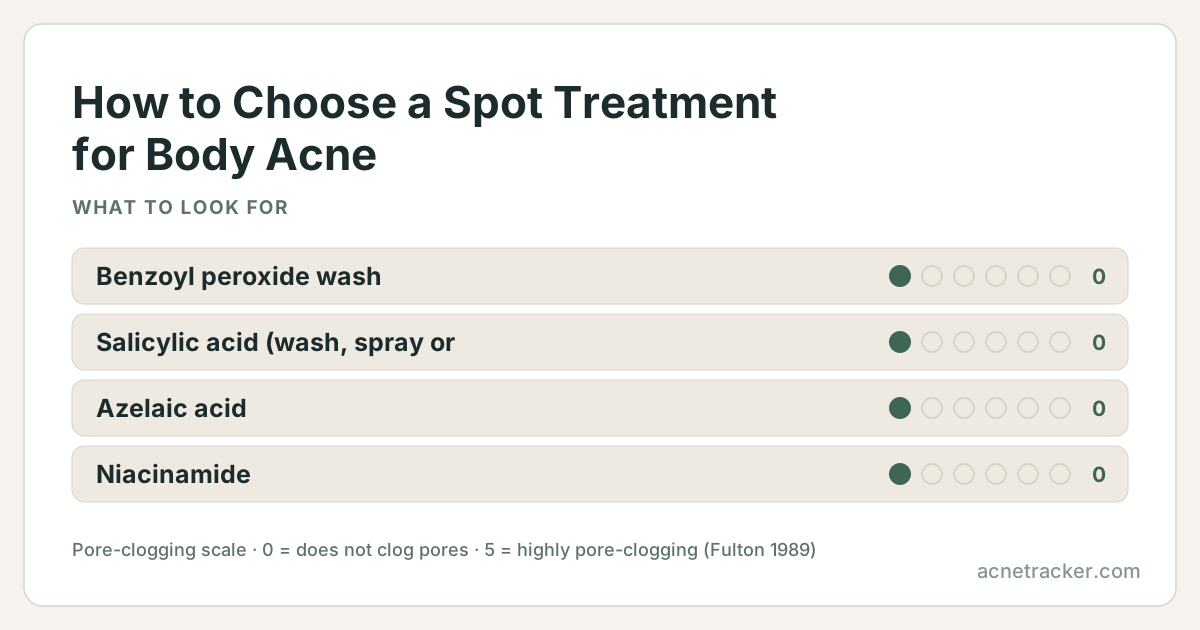
Ingredients to look for
| Ingredient | Why it matters |
|---|---|
| Benzoyl peroxide wash | A leave-on-briefly or wash-off benzoyl peroxide treats large areas like the back and chest at once, reducing bacteria and inflammation efficiently. |
| Salicylic acid (wash, spray or lotion) | Oil-soluble and ideal for the congestion and clogged pores common on the body, in formats that cover a whole zone. |
| Azelaic acid | Calms inflammation and helps fade the marks body acne leaves, a gentler option for sensitive areas or reactive skin. |
| Niacinamide | Regulates oil and soothes over larger areas, supporting the main actives while keeping tougher body skin calm. |
| A body spray or lotion format | Reaching the back is hard, so a spray or long-handled applicator lets you actually treat the area consistently rather than missing it. |
Ingredients to avoid
| Ingredient | Why it matters |
|---|---|
| Sitting in sweaty, tight clothing | Sweat and friction under occlusive fabric trap heat and bacteria against the skin, a leading driver of back and chest breakouts. |
| Heavy, pore-clogging body lotions and oils | Rich occlusive body products feed congestion on acne-prone areas, so light, non-comedogenic formulas are better where you break out. |
| Harsh scrubbing with rough loofahs | Aggressive physical scrubbing inflames body acne and can spread bacteria without clearing the pores underneath. |
| Leaving benzoyl peroxide on coloured fabric | It bleaches dyed towels, sheets and clothing, so rinse well or use white cotton — an avoidable annoyance, not a skin issue. |
How to choose
Think in terms of coverage and convenience, because body acne spans areas you cannot easily reach with a dab. A benzoyl peroxide wash is a practical first choice: used in the shower on the back and chest, it treats the whole zone and reduces bacteria efficiently, and lower strengths are gentler if skin is reactive. Salicylic acid in a wash, spray or lotion suits the clogged pores common on the body, and its formats make full-area coverage realistic. For sensitive spots or marks left behind, azelaic acid is a calmer choice. Prioritise formats you will actually use — a spray or long-handled applicator solves the unreachable-back problem that derails many routines. Beyond products, weigh the lifestyle triggers: sweat, friction and occlusion drive body acne strongly, so showering promptly after exercise and wearing breathable fabrics often does as much as any active. Keep body moisturisers light and non-comedogenic where you break out.
How to apply
In the shower, use a benzoyl peroxide or salicylic acid wash on the back, chest and shoulders, letting it sit briefly before rinsing so the active has contact time. For leave-on treatment, a spray or lotion lets you cover the area, including the hard-to-reach back. Shower promptly after sweating and change out of tight, damp clothing, since sweat and friction are major triggers. Keep any body moisturiser light and non-comedogenic on breakout areas. Note that benzoyl peroxide can bleach coloured fabric, so rinse thoroughly and use white towels and bedding to avoid staining.
Frequently asked questions
Why do I get acne on my back and chest?
These areas have many oil glands and are frequently exposed to sweat, friction and occlusion from clothing and gym gear, which trap bacteria and heat against the skin. Treating the whole area with a benzoyl peroxide or salicylic acid wash, and reducing those triggers, helps.
How do I treat body acne I cannot reach?
Use formats designed for coverage: a benzoyl peroxide or salicylic acid wash in the shower reaches the whole back, and a body spray or long-handled applicator lets you apply leave-on treatment to areas your hands cannot.
Does sweat cause body acne?
Sweat itself plus the friction and occlusion of tight, damp clothing is a strong trigger for back and chest breakouts. Showering promptly after exercise and wearing breathable fabrics often reduces body acne as much as a topical does.
Why does benzoyl peroxide stain my towels?
Benzoyl peroxide is a mild bleach and can lighten dyed fabric it contacts. It is harmless to skin but will discolour coloured towels, sheets and clothing, so rinse well and use white cotton to avoid the staining.
Sources & further reading
There is no single study of this exact question. The guidance here is reasoned from the ingredient profiles below, each of which carries its own references:
- Benzoyl Peroxide3 refs
- Salicylic Acid2 refs
- Azelaic Acid3 refs
- Niacinamide2 refs
Show every reference behind this page (8)
- PubChem — Benzoyl peroxide compound summarycited by Benzoyl Peroxide
- DermNet — Benzoyl peroxidecited by Benzoyl Peroxide
- FDA — Drugs (OTC acne products)cited by Benzoyl Peroxide, Salicylic Acid
- Salicylic acid as a peeling agent: a comprehensive review (PubMed)cited by Salicylic Acid
- PubChem — Azelaic acid compound summarycited by Azelaic Acid
- DermNet — Azelaic acidcited by Azelaic Acid
- European Commission CosIng database — Azelaic Acidcited by Azelaic Acid, Niacinamide
- Niacinamide: mechanisms of action and its topical use in dermatology (PubMed)cited by Niacinamide
Medical disclaimer
Ingredients mentioned on this page
Find your personal acne triggers
Our free Acne Tracker lets you log breakouts, sleep, stress and diet, and shows you which factors correlate with your flare-ups.