How to Choose a Spot Treatment for Acne-Prone Skin
Acne-prone skin does not get one kind of blemish — it gets a mix, and that is the key to using a spot treatment well: the right active depends on the lesion in front of you. A congested blackhead, an inflamed red papule and a whitehead with a head all respond to different ingredients, and using the wrong one wastes time or irritates the skin. Just as important, acne-prone skin benefits far more from a preventive routine across the whole area than from chasing individual spots after they appear. This guide explains how to match the active to the lesion, which products consistently backfire on breakout-prone skin, and how to shift from firefighting single spots to preventing them.
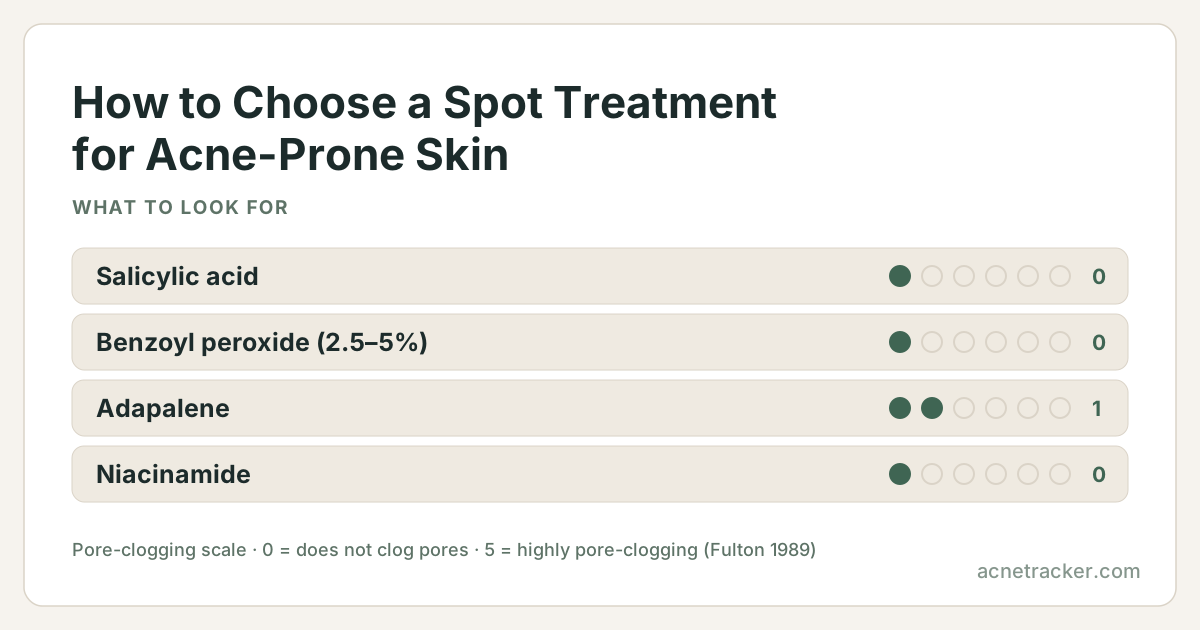
Ingredients to look for
| Ingredient | Why it matters |
|---|---|
| Salicylic acid | For congested lesions — blackheads and whiteheads — its oil solubility lets it get into the pore and dissolve the plug. |
| Benzoyl peroxide (2.5–5%) | For inflamed spots, it reduces the bacteria and inflammation behind a red or pus-filled bump; lower strengths calm without over-drying. |
| Adapalene | The preventive backbone: used nightly across the area, it keeps pores from plugging so fewer lesions of any type form. |
| Niacinamide | Regulates oil and calms redness across acne-prone skin, supporting active treatment while reducing new congestion over time. |
| Azelaic acid | A versatile, gentle option that clears blemishes, calms inflammation and fades the marks acne-prone skin tends to leave. |
Ingredients to avoid
| Ingredient | Why it matters |
|---|---|
| Using one harsh gel on every kind of spot | A drying gel that suits a pustule does nothing for a deep blackhead and can irritate a papule; the lesion should dictate the active. |
| Alcohol and toothpaste drying hacks | They damage the barrier of skin that already struggles, worsening inflammation and leaving marks rather than clearing spots. |
| Over-treating with too many actives at once | Piling on acids and peroxide across reactive, breakout-prone skin causes irritation that can trigger more breakouts, not fewer. |
| Comedogenic pore-clogging products elsewhere | Heavy occlusive textures in the wider routine feed congestion, so spot treatment cannot keep up with the new blemishes forming. |
How to choose
Start by identifying the lesion, because acne-prone skin needs matched actives, not one universal gel. For congestion — blackheads and whiteheads — reach for salicylic acid, which dissolves the plug inside the pore. For an inflamed red or pus-topped spot, a low-strength benzoyl peroxide calms the bacteria and swelling. Azelaic acid is a flexible middle option that both clears and soothes, and suits sensitive or marking-prone skin. But the biggest gains come from prevention: an adapalene used nightly across the whole area keeps pores clear so fewer lesions form in the first place, and niacinamide supports it by regulating oil and calming redness. Keep the surrounding routine light and non-comedogenic, since heavy products keep feeding new spots. In short, treat the individual lesion with a matched active, but invest most of your effort in a consistent preventive routine — that is what actually reduces how often acne-prone skin breaks out.
How to apply
Match the active to the spot: salicylic acid on congestion, a low-strength benzoyl peroxide on an inflamed bump, azelaic acid where you want a gentler all-rounder. Apply a thin layer to the lesion and the area around it, then moisturise. For prevention, use adapalene at night across the whole zone rather than as a single dab, starting a few nights a week and building up. Do not squeeze or stack multiple actives on one spot. Keep the rest of your routine non-comedogenic, and give any preventive step several weeks, since reducing how often acne-prone skin breaks out is a gradual, cumulative process.
Frequently asked questions
Should I use the same spot treatment on every pimple?
No — acne-prone skin gets different lesions, and the active should match. Salicylic acid suits blackheads and whiteheads, a low-strength benzoyl peroxide suits inflamed spots, and azelaic acid is a gentle all-rounder. Using one harsh gel on everything wastes effort or irritates.
Is it better to prevent or treat acne?
Prevention wins for acne-prone skin. Treating single spots is reactive firefighting, while a nightly adapalene across the whole area keeps pores clear so fewer lesions form. Spot treatment then handles the occasional breakthrough rather than a constant stream.
Can too much spot treatment cause more breakouts?
Yes. Piling on acids, peroxide and drying hacks damages the barrier of already-reactive skin, and the resulting irritation can trigger more breakouts. Matching one appropriate active to each lesion, and keeping the routine gentle, works better than over-treating.
What everyday products make acne-prone skin worse?
Heavy, comedogenic creams and oils feed the congestion behind blackheads and whiteheads, so spot treatment cannot keep up. Choosing light, non-comedogenic textures across your whole routine reduces the number of new spots that form.
Sources & further reading
There is no single study of this exact question. The guidance here is reasoned from the ingredient profiles below, each of which carries its own references:
- Salicylic Acid2 refs
- Benzoyl Peroxide3 refs
- Adapalene3 refs
- Niacinamide2 refs
- Azelaic Acid3 refs
Show every reference behind this page (10)
- Salicylic acid as a peeling agent: a comprehensive review (PubMed)cited by Salicylic Acid
- FDA OTC monograph — acne drug products (salicylic acid 0.5–2%)cited by Salicylic Acid, Benzoyl Peroxide, Adapalene
- PubChem — Benzoyl peroxide compound summarycited by Benzoyl Peroxide
- DermNet — Benzoyl peroxidecited by Benzoyl Peroxide
- PubChem — Adapalene compound summarycited by Adapalene
- DermNet — Adapalenecited by Adapalene
- Niacinamide: mechanisms of action and its topical use in dermatology (PubMed)cited by Niacinamide
- European Commission CosIng database — Niacinamidecited by Niacinamide, Azelaic Acid
- PubChem — Azelaic acid compound summarycited by Azelaic Acid
- DermNet — Azelaic acidcited by Azelaic Acid
Medical disclaimer
Ingredients mentioned on this page
Find your personal acne triggers
Our free Acne Tracker lets you log breakouts, sleep, stress and diet, and shows you which factors correlate with your flare-ups.