How to Choose a Serum for Mature Skin
Mature skin makes less collagen, holds less water, and shows accumulated sun damage as fine lines, uneven tone and lost firmness. A serum helps by supporting collagen, boosting hydration and evening out tone — but only a handful of ingredients have real evidence behind them, and the anti-ageing aisle is crowded with claims that do not. This guide separates the actives worth seeking on any label from the marketing, and stresses the two habits that outperform every serum: daily sunscreen, which prevents most visible ageing, and patience, since skin remodelling is measured in months. Realistic expectations are part of choosing well.
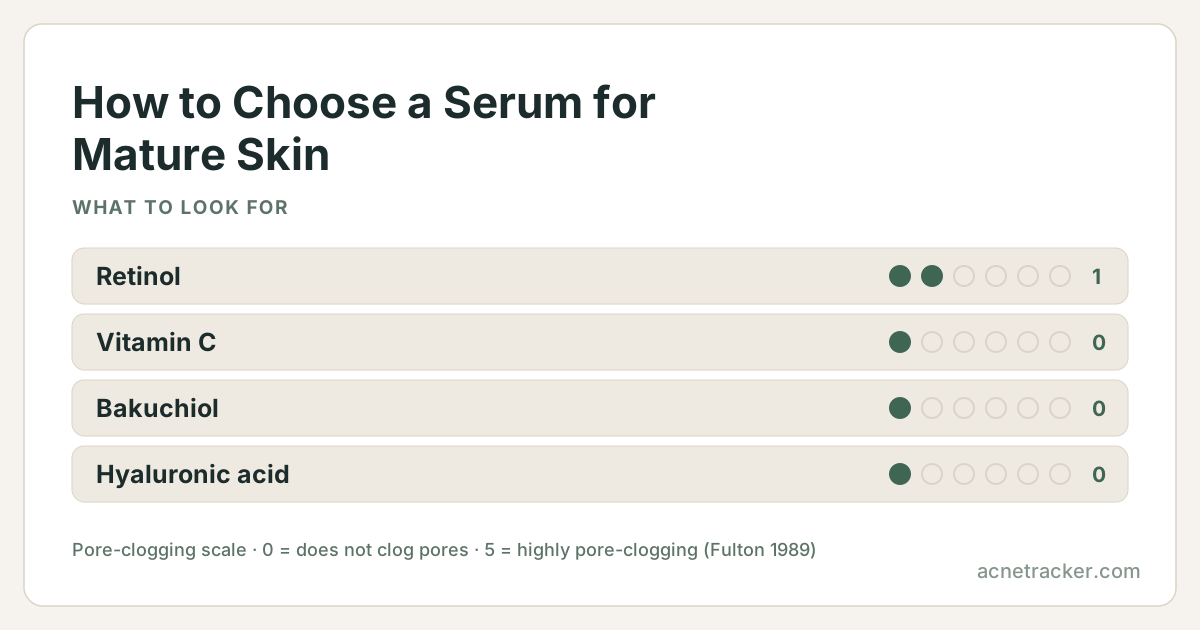
Ingredients to look for
| Ingredient | Why it matters |
|---|---|
| Retinol | The most evidence-backed anti-ageing active: it boosts collagen and cell turnover, softening lines over months. Not for pregnancy. |
| Vitamin C | An antioxidant that supports collagen, brightens accumulated sun-related tone changes and defends against daytime damage. |
| Bakuchiol | A gentler plant-derived alternative to retinol for sensitive mature skin or for those who prefer to avoid retinoids. |
| Hyaluronic acid | Mature skin holds less water; adding hydration plumps the surface so fine lines look softer and skin looks fuller. |
| Niacinamide | Improves tone, supports the barrier and boosts ceramide production, complementing retinol without adding irritation. |
Ingredients to avoid
| Ingredient | Why it matters |
|---|---|
| Products promising to 'reverse ageing' or replace procedures | No topical rebuilds deep structure or matches clinical treatments; such claims overpromise what a serum can do. |
| Harsh over-exfoliation on thinner skin | Mature skin is often drier and more fragile, and aggressive acids inflame it and emphasise lines. |
| Skipping sunscreen while using anti-ageing serums | Retinol and vitamin C increase sun sensitivity, and sun is the leading cause of the ageing you are treating. |
| Retinol during pregnancy | Retinoids are avoided in pregnancy; bakuchiol, vitamin C and niacinamide are gentler alternatives to consider instead. |
How to choose
Build around the few actives with genuine evidence rather than the longest ingredient list. Retinol is the cornerstone for lines and firmness, introduced slowly; if your skin is sensitive or you prefer to avoid retinoids, bakuchiol is a gentler substitute. A vitamin C serum in the morning supports collagen and brightens sun-related tone, while hyaluronic acid restores the plumpness lost as skin holds less water. Niacinamide rounds this out by improving tone and barrier strength. Mature skin often runs drier, so favour richer, cushioning serum textures over thin, quick-drying ones, and avoid over-exfoliating fragile skin. Treat 'lifting', 'reversing' and 'age-defying' as marketing, and judge the actual ingredients. Most importantly, remember that consistency over months and daily sunscreen do more for mature skin than any single hero serum, and that serums support skin quality rather than replace clinical procedures.
How to apply
Introduce retinol slowly — start two nights a week and build up, applying it in the evening to clean, dry skin, then following with a rich moisturiser. Use vitamin C in the morning under sunscreen. Daily broad-spectrum SPF is the single most effective anti-ageing step, and it also protects skin made more sun-sensitive by these actives. Layer a hydrating serum under moisturiser if skin feels dry. If you are pregnant, replace retinol with bakuchiol, vitamin C or niacinamide, and give any routine several months.
Frequently asked questions
What is the most effective anti-ageing serum ingredient?
Retinol has the strongest evidence for softening lines and supporting firmness over time. Vitamin C and daily sunscreen complement it, but no serum matches sun protection itself, which prevents most of the visible ageing people want to treat.
Can a serum replace procedures like Botox or fillers?
No. Serums improve skin quality, tone and hydration and can soften fine lines gradually, but they do not rebuild deep structure or replicate clinical procedures. They are best seen as long-term maintenance rather than a substitute.
Is retinol safe if I am pregnant?
Retinoids are generally avoided during pregnancy. Gentler alternatives such as bakuchiol, vitamin C and niacinamide are usually considered suitable, but confirm your routine with your own doctor or midwife.
How long before an anti-ageing serum shows results?
Hydration can improve the look of fine lines within days, but real changes from retinol and vitamin C take three to six months of consistent use. Anything promising dramatic results in a week or two is overstating what is possible.
Sources & further reading
There is no single study of this exact question. The guidance here is reasoned from the ingredient profiles below, each of which carries its own references:
- Retinol2 refs
- Vitamin C3 refs
- Bakuchiol3 refs
- Hyaluronic Acid3 refs
- Niacinamide2 refs
Show every reference behind this page (11)
- Improvement of naturally aged skin with vitamin A (retinol) (PubMed)cited by Retinol
- European Commission SCCS opinion on vitamin A in cosmeticscited by Retinol
- PubChem — Ascorbic Acid compound summarycited by Vitamin C
- DermNet — Topical vitamin Ccited by Vitamin C
- European Commission CosIng database — Ascorbic Acidcited by Vitamin C, Hyaluronic Acid, Niacinamide
- PubChem — Bakuchiol compound summarycited by Bakuchiol
- Bakuchiol: a retinol-like functional compound (PubMed)cited by Bakuchiol
- DermNet — Cosmeceuticalscited by Bakuchiol
- PubChem — Hyaluronic acid compound summarycited by Hyaluronic Acid
- DermNet — Moisturisers and humectantscited by Hyaluronic Acid
- Niacinamide: mechanisms of action and its topical use in dermatology (PubMed)cited by Niacinamide
Medical disclaimer
Ingredients mentioned on this page
Find your personal acne triggers
Our free Acne Tracker lets you log breakouts, sleep, stress and diet, and shows you which factors correlate with your flare-ups.