How to Choose a Serum for Dry Skin
A serum for dry skin does the deep-hydration groundwork that a moisturiser then seals in. Its job is to flood the upper layers with water-binding ingredients and, ideally, deliver some of the lipids the barrier is missing, so the cream on top has something to lock down. The distinction that matters is between skin that is dry — genuinely short of oil — and skin that is dehydrated, short of water; many people are both. This guide describes the humectant and barrier ingredients to look for on any label, and the drying actives that make tight, flaky skin worse rather than better.
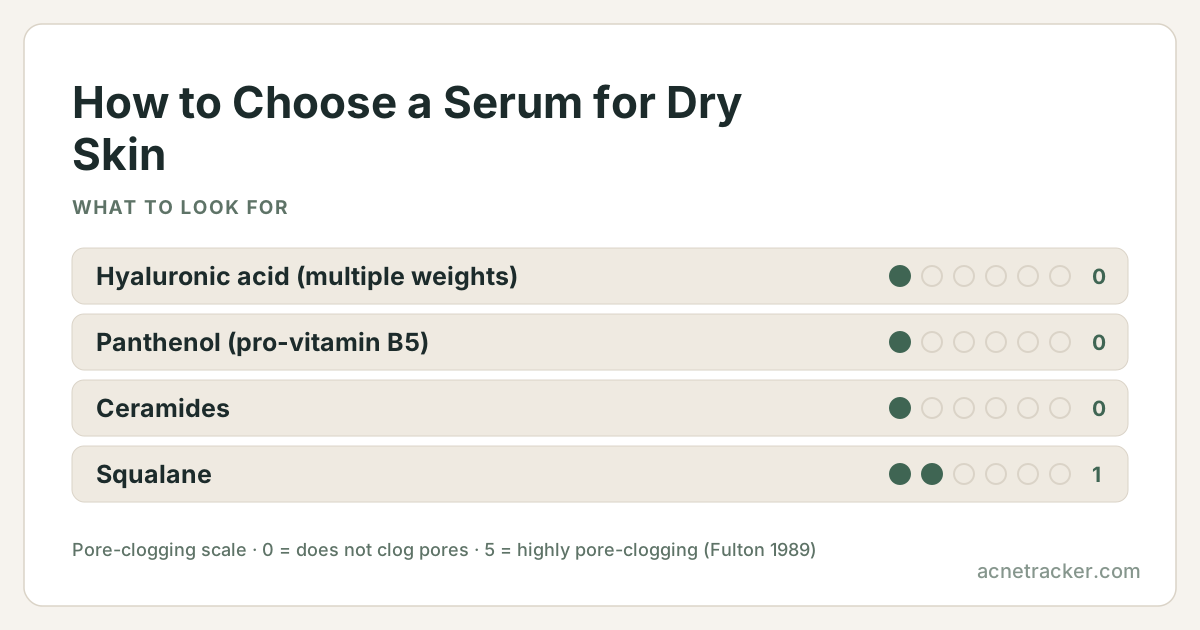
Ingredients to look for
| Ingredient | Why it matters |
|---|---|
| Hyaluronic acid (multiple weights) | Binds water into different depths of the upper skin; combined with glycerin it is the backbone of a hydrating serum. |
| Panthenol (pro-vitamin B5) | A humectant that also soothes and supports barrier repair, easing the tightness and mild irritation of dry skin. |
| Ceramides | Replace the barrier lipids dry skin lacks, reducing water loss so hydration actually stays put. |
| Squalane | A lightweight, non-greasy emollient that smooths the rough gaps between cells and adds a little of the oil dry skin misses. |
| Niacinamide | Supports the barrier and boosts the skin's own lipid production over weeks, making hydration more durable. |
Ingredients to avoid
| Ingredient | Why it matters |
|---|---|
| High-strength exfoliating acid serums used daily | Dry skin has a fragile barrier; aggressive glycolic or salicylic use strips it further and worsens flaking. |
| Denatured alcohol high on the list | It evaporates fast and drags moisture with it, directly undoing a hydrating serum's purpose. |
| Fragrance and essential oils | A frequent cause of stinging on dry, compromised skin where the barrier is already letting irritants in. |
| Pure humectant serums with no follow-up | In dry air, hyaluronic acid alone can pull water from deeper skin; it needs a moisturiser sealed over the top. |
How to choose
Look for a serum that pairs humectants with barrier support rather than one that relies on hyaluronic acid alone. The most durable formulas list glycerin, one or more hyaluronic acid weights, and either ceramides, panthenol or squalane to help hold the water in. Texture should feel cushioned and slightly rich, not tacky-then-tight. If your skin is dry and reactive, a fragrance-free, short ingredient list lowers the risk of stinging. Be wary of serums sold on 'plumping' and 'dewy glow' alone, because those effects can be cosmetic and short-lived without barrier ingredients. For winter or heated indoor air, a serum layered under an occlusive-containing cream matters more than any single hero ingredient. Above all, remember a serum is a hydration step, not a replacement for the moisturiser that seals it — dry skin needs both.
How to apply
Apply the serum to slightly damp skin straight after cleansing, so humectants have surface water to bind. Press it in rather than rubbing, then follow within a minute or two with a moisturiser containing an occlusive, which is what stops the water evaporating. In dry, cold conditions, layer a second thin pass of serum or add a facial oil over the cream. Use it morning and night; dry skin benefits from consistent hydration rather than an occasional intensive treatment.
Frequently asked questions
Is a hyaluronic acid serum enough for dry skin?
Not on its own. Hyaluronic acid binds water but does not stop it evaporating, and in dry air it can even draw moisture upward and out. It works when sealed under a moisturiser with occlusive ingredients.
If my skin is genuinely dry, is a serum even the right product?
It is half the answer. Dry skin lacks oil and is a skin type; dehydrated skin lacks water and is a temporary condition any type can have. A serum is a water-phase step, so its humectants address the dehydration side — the lipid side still needs ceramides in the cream layered over it. A serum alone rarely finishes the job on truly dry skin.
Should I apply serum to wet or dry skin?
Slightly damp is ideal for a hydrating serum, because humectants trap the surface water. Seal it quickly with moisturiser, though — leaving damp skin exposed to dry air lets that water evaporate instead.
Can dry skin use a vitamin C serum?
Yes, but choose a gentle derivative and always follow with a rich moisturiser, since some vitamin C formulas can feel drying. If your barrier is very compromised, prioritise hydration and repair first, then add vitamin C.
Sources & further reading
There is no single study of this exact question. The guidance here is reasoned from the ingredient profiles below, each of which carries its own references:
- Hyaluronic Acid3 refs
- Panthenol3 refs
- Ceramides3 refs
- Squalane3 refs
- Niacinamide2 refs
Show every reference behind this page (9)
- PubChem — Hyaluronic acid compound summarycited by Hyaluronic Acid
- European Commission CosIng database — Hyaluronic Acidcited by Hyaluronic Acid, Panthenol, Ceramides, Squalane, Niacinamide
- DermNet — Moisturisers and humectantscited by Hyaluronic Acid, Squalane
- PubChem — Panthenol compound summarycited by Panthenol
- Safety Assessment of Panthenol, Pantothenic Acid, and Derivatives as Used in Cosmetics (PubMed)cited by Panthenol
- DermNet — Skin barrier functioncited by Ceramides
- PubChem — Ceramide compound summarycited by Ceramides
- PubChem — Squalane compound summarycited by Squalane
- Niacinamide: mechanisms of action and its topical use in dermatology (PubMed)cited by Niacinamide
Medical disclaimer
Ingredients mentioned on this page
Find your personal acne triggers
Our free Acne Tracker lets you log breakouts, sleep, stress and diet, and shows you which factors correlate with your flare-ups.