How to Choose a Night Cream for Hormonal Acne
Hormonal acne — the deep, tender breakouts that flare along the jaw and chin in a monthly pattern — is driven from the inside, so no night cream treats its cause. What a night cream can do is support skin that is being treated: keeping it non-comedogenic, calming the inflammation of active spots, and repairing the barrier that nightly actives strip. Because hormonal acne is often treated with prescription therapies and evening retinoids, the cream's job is to make that treatment tolerable, not to replace it. This guide describes the supportive profile to look for and is clear about where a cream's role ends and a doctor's begins.
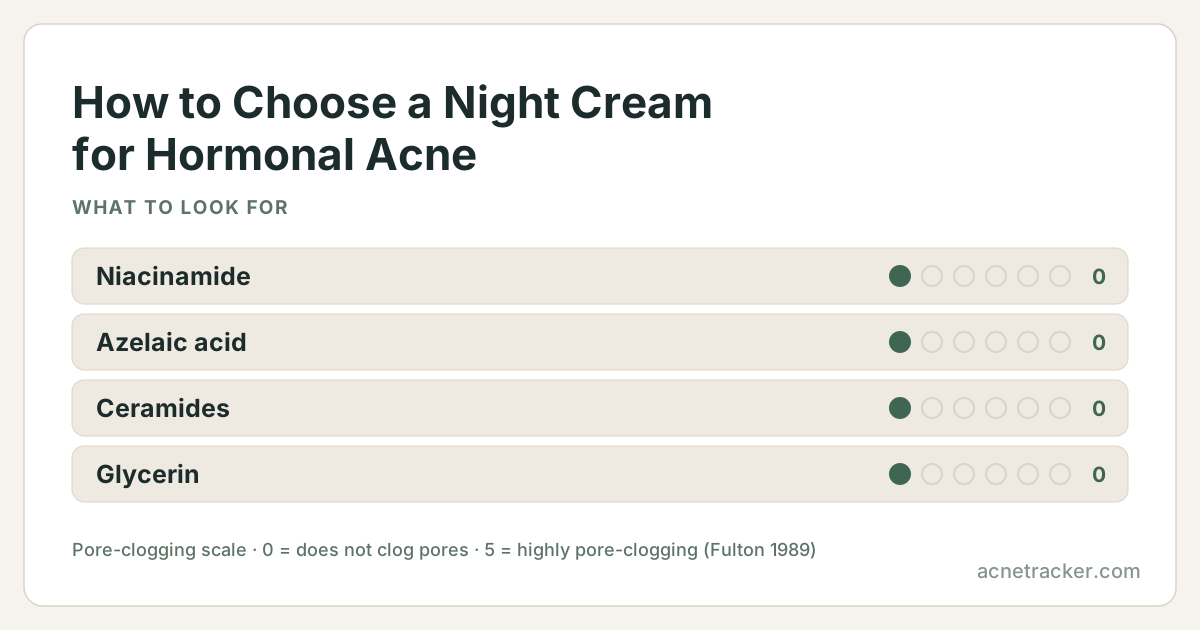
Ingredients to look for
| Ingredient | Why it matters |
|---|---|
| Niacinamide | Calms the inflammation of active breakouts and supports the barrier without adding oil, pairing well with acne treatment. |
| Azelaic acid | Useful in hormonal acne for both breakouts and the marks they leave, and gentle enough for pregnancy, when many actives are off-limits. |
| Ceramides | Replace the lipids that retinoids and other acne treatments deplete, so skin tolerates therapy instead of flaking. |
| Glycerin | A weightless humectant that keeps acne-prone skin hydrated overnight without a pore-clogging load. |
| Centella asiatica | Soothes irritated, inflamed skin and supports healing of the tender lesions typical of hormonal breakouts. |
Ingredients to avoid
| Ingredient | Why it matters |
|---|---|
| Heavy, pore-clogging oils (coconut oil, rich butters) | Acne-prone skin does not need a heavy seal, and hours of overnight contact is when pore-clogging oils cause the most trouble. |
| Fragrance and essential oils | They irritate skin already inflamed by breakouts and treatment, and irritation can worsen acne. |
| A cream marketed as a hormonal-acne 'cure' | Hormonal acne is driven internally; a topical cream cannot fix the cause, and claims that it can are misleading. |
| Doubling up on the retinoid your treatment already includes | Adding a second retinoid over a prescribed one irritates without benefit; keep the cream as the calm, repairing layer. |
How to choose
Pick a light, non-comedogenic cream that supports skin through treatment rather than one promising to clear acne itself. Niacinamide and ceramides are the most useful for calming and barrier repair; azelaic acid is a genuinely helpful active and, notably, one of the few considered acceptable in pregnancy, when spironolactone, retinoids and many others are not. Texture should be a light lotion or gel-cream, never a balm. Read claims with scepticism — no cream resolves hormonal acne, which usually needs treatment aimed at the internal driver, such as prescription options a doctor can discuss. A dedicated night cream helps mainly because hormonal-acne routines lean on evening retinoids that raise dryness. If breakouts are persistent, cyclical and deep, the most useful step is not another cream but a conversation with a GP or dermatologist.
How to apply
Cleanse, apply your prescribed or over-the-counter acne active to dry skin, then layer the night cream over it, or use the cream first as a buffer if the active stings. A thin, even layer over the whole face is enough; spot breakouts still benefit from the barrier support across the whole area. Keep applying on nights skin is flaky from treatment — that is when it needs help most. Do not pick at the deep, tender lesions hormonal acne produces, as that drives scarring. Sunscreen every morning is essential, both because retinoids increase sun sensitivity and because it limits the dark marks breakouts leave behind.
Frequently asked questions
Can a night cream clear hormonal acne?
No. Hormonal acne is driven by internal hormonal shifts, so a topical cream cannot resolve the cause. A good night cream supports skin through treatment by calming inflammation and repairing the barrier, but the actual treatment comes from actives or prescription therapy.
What night cream ingredients suit hormonal acne along the jaw?
Non-comedogenic ones that calm and repair: niacinamide, ceramides, glycerin and soothing centella, with azelaic acid as a useful gentle active. Keep the texture light and pair it with the acne treatment your routine or doctor provides.
Which night cream actives are safe for hormonal acne in pregnancy?
Azelaic acid is widely considered acceptable and is genuinely useful for both breakouts and marks, while retinoids and some prescription acne treatments are avoided in pregnancy. Always confirm your specific routine with your doctor or midwife first.
When should I see a doctor about hormonal acne instead of trying more creams?
If breakouts are deep, tender, cyclical, scarring or not improving with a consistent routine over a couple of months, see a GP or dermatologist. Hormonal acne often responds best to prescription treatment aimed at the internal driver, not more topicals.
Sources & further reading
There is no single study of this exact question. The guidance here is reasoned from the ingredient profiles below, each of which carries its own references:
- Niacinamide2 refs
- Azelaic Acid3 refs
- Ceramides3 refs
- Glycerin3 refs
- Centella Asiatica2 refs
Show every reference behind this page (9)
- Niacinamide: mechanisms of action and its topical use in dermatology (PubMed)cited by Niacinamide
- European Commission CosIng database — Niacinamidecited by Niacinamide, Azelaic Acid, Ceramides, Glycerin, Centella Asiatica
- PubChem — Azelaic acid compound summarycited by Azelaic Acid
- DermNet — Azelaic acidcited by Azelaic Acid
- DermNet — Skin barrier functioncited by Ceramides
- PubChem — Ceramide compound summarycited by Ceramides
- PubChem — Glycerol compound summarycited by Glycerin
- DermNet — Moisturiserscited by Glycerin
- Bylka W et al. Centella asiatica in dermatology: an overview. Phytother Res 2014 Aug (PubMed)cited by Centella Asiatica
Medical disclaimer
Ingredients mentioned on this page
Find your personal acne triggers
Our free Acne Tracker lets you log breakouts, sleep, stress and diet, and shows you which factors correlate with your flare-ups.