Can You Mix Azelaic Acid and Retinol?
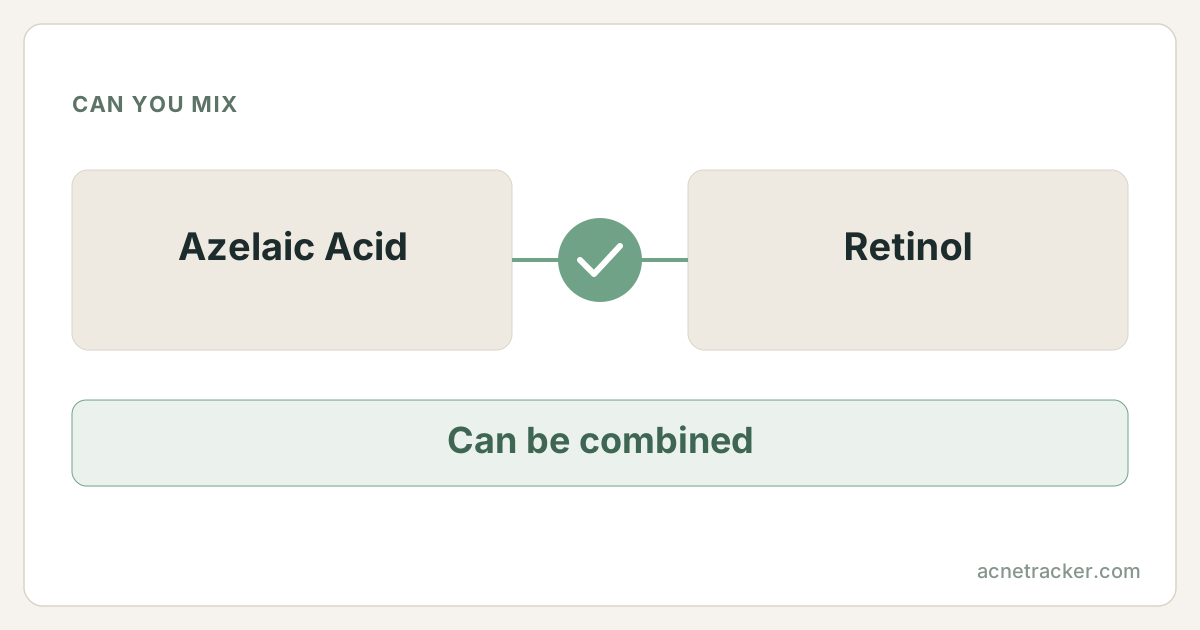
Yes — retinol and azelaic acid are a highly compatible pairing, especially for acne with post-inflammatory marks or redness. Despite its name, azelaic acid is not an exfoliating acid; it is gentle and anti-inflammatory, so it complements retinol rather than competing with it. You can layer them in the same evening routine, applying azelaic acid first, or split them between morning and night.
How this pairing resolves
The two ingredients, their published numbers, and where they land together.
The numbers beside each ingredient are its published comedogenic rating and effective pH window, taken from its own profile page.
Show the numbers
| Ingredients | Metric | 0–5 |
|---|---|---|
| Azelaic Acid | Comedogenic rating | 0/5 |
| Azelaic Acid | Effective pH | 4.0–5.0 |
| Retinol | Comedogenic rating | 1/5 |
| Retinol | Effective pH | 5.0–6.0 |
Why
Azelaic acid is a dicarboxylic acid, but it behaves nothing like an AHA or BHA. It does not lower skin pH to slough cells; instead it works on acne and pigment through targeted biology. It has antibacterial and anti-inflammatory effects that calm active breakouts, it normalises the shedding inside the pore, and it inhibits tyrosinase to fade post-inflammatory hyperpigmentation and the redness of rosacea. Retinol accelerates overall cell turnover and collagen remodelling. Because the two act on different but reinforcing pathways — retinol driving renewal, azelaic acid calming inflammation and targeting pigment — they add up rather than clash, and there is no pH conflict or oxidation risk between them. Azelaic acid is also notably soothing, so it can help counter some of the redness retinol causes, making the pair gentler in practice than you might expect. This is why dermatologists often recommend the combination for people dealing with both breakouts and stubborn dark marks.
How to combine them
You can use both in the same evening: cleanse, apply azelaic acid to clean, dry skin, wait a minute or two, then apply retinol and finish with moisturizer. Because neither destabilises the other, order is flexible, though applying the thinner azelaic formula first is convenient. If your skin is sensitive, split them instead — azelaic acid in the morning under sunscreen, retinol at night — which also spreads the actives out. Start retinol two or three nights a week and build up; azelaic acid is gentle enough for daily use from the start. On non-retinol nights, azelaic acid can carry on soothing and fading marks. Finish every morning with broad-spectrum SPF 30 or higher, since retinol increases sun sensitivity and sun exposure worsens the pigment azelaic acid is treating.
Example routine
| When | Steps |
|---|---|
| Evening (retinol nights) | Cleanser → Azelaic acid → Retinol → Moisturizer |
| Evening (other nights) | Cleanser → Azelaic acid → Moisturizer |
| Morning (split option) | Cleanser → Azelaic acid → Moisturizer → SPF 30+ |
Warning signs
Frequently asked questions
Is azelaic acid an exfoliating acid like glycolic acid?
No. Despite the name it does not work by lowering pH to shed cells. It is anti-inflammatory and targets pigment and acne bacteria, which is why it layers so comfortably with retinol.
Which order should I apply azelaic acid and retinol in?
Order is flexible because neither destabilises the other. A practical choice is azelaic acid first on clean skin, a short wait, then retinol, then moisturizer. Splitting them morning and night also works well.
Is this combination good for dark marks?
Yes, it is one of the better pairings for post-inflammatory hyperpigmentation: azelaic acid inhibits pigment production while retinol speeds turnover of already-pigmented cells. Daily sunscreen is essential to see results.
Can I use azelaic acid in pregnancy but not retinol?
Azelaic acid is often considered acceptable during pregnancy, whereas retinol and other retinoids are generally avoided. If pregnant, keep azelaic acid, drop the retinol, and confirm with your doctor.
Sources & further reading
There is no single study of this exact question. The guidance here is reasoned from the ingredient profiles below, each of which carries its own references:
- Azelaic Acid3 refs
- Retinol2 refs
Show every reference behind this page (5)
- PubChem — Azelaic acid compound summarycited by Azelaic Acid
- DermNet — Azelaic acidcited by Azelaic Acid
- European Commission CosIng database — Azelaic Acidcited by Azelaic Acid
- Improvement of naturally aged skin with vitamin A (retinol) (PubMed)cited by Retinol
- European Commission SCCS opinion on vitamin A in cosmeticscited by Retinol
Medical disclaimer
Ingredients mentioned on this page
Find your personal acne triggers
Our free Acne Tracker lets you log breakouts, sleep, stress and diet, and shows you which factors correlate with your flare-ups.