How to Choose a Serum for Hormonal Acne
Hormonal acne has a recognisable pattern — deep, tender breakouts along the jaw, chin and lower cheeks that often flare with the menstrual cycle. Because the driver is internal, topical serums manage it rather than cure it, and the most stubborn cases genuinely need a doctor, who can consider options a serum cannot match. Still, the right ingredients meaningfully reduce breakouts and the marks they leave. This guide describes the actives worth seeking on any label for this pattern, the ones that tend to aggravate it, and the pregnancy-relevant notes that matter here, since hormonal acne and pregnancy often overlap.
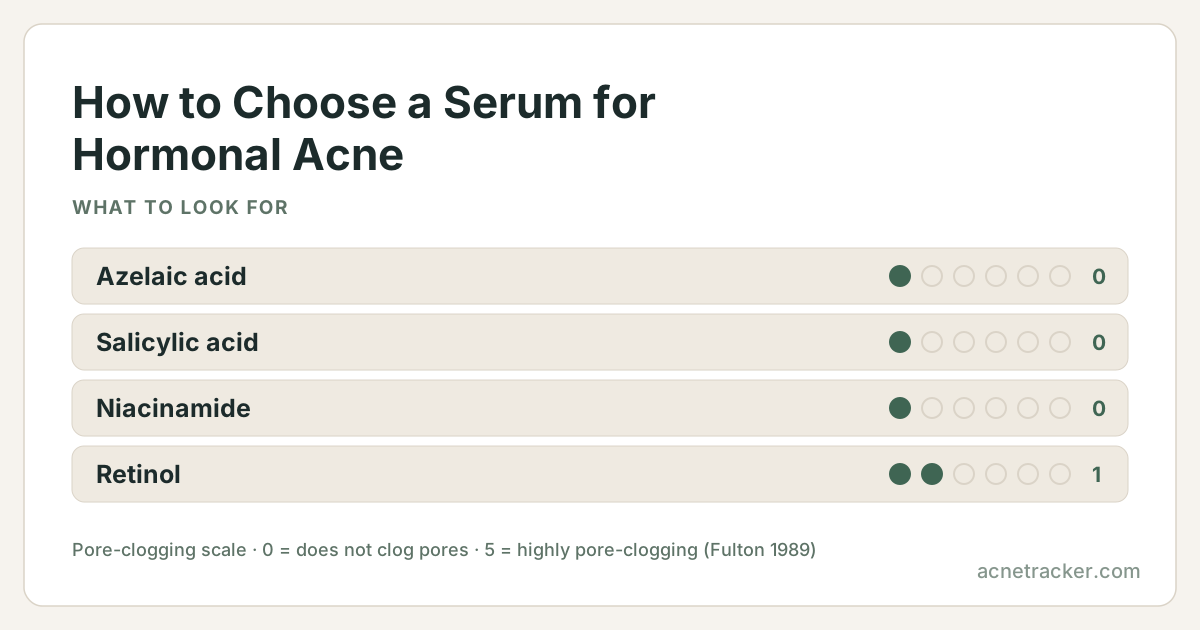
Ingredients to look for
| Ingredient | Why it matters |
|---|---|
| Azelaic acid | Tackles the bacteria, inflammation and post-spot marks of hormonal acne, and is one of the few options considered pregnancy-safe. |
| Salicylic acid | Oil-soluble, so it keeps deep pores clearer and reduces the congestion that feeds jawline breakouts. |
| Niacinamide | Calms the inflammation behind tender hormonal spots and helps regulate the oil that hormones ramp up. |
| Retinol | Normalises pore-cell turnover to prevent the clogging behind breakouts; effective but not for use during pregnancy. |
| Bakuchiol | A gentler retinol alternative for those who cannot tolerate retinoids or want to avoid them, including in pregnancy. |
Ingredients to avoid
| Ingredient | Why it matters |
|---|---|
| Heavy, comedogenic oils and rich creams | They clog pores that are already oilier under hormonal influence, feeding exactly the breakouts you are treating. |
| Aggressive over-treatment and acid stacking | Hormonal acne is inflammatory; piling on strong actives inflames skin and worsens both spots and marks. |
| Retinol during pregnancy | Retinoids are avoided in pregnancy, so switch to azelaic acid or niacinamide, which are widely considered suitable. |
| Picking deep, painful cysts | Squeezing inflamed hormonal lesions drives infection deeper and is the main cause of lasting scars. |
How to choose
Be realistic first: serums help manage hormonal acne but rarely resolve stubborn, cystic cases alone, which are worth taking to a doctor who can consider treatments like prescription topicals or hormonal options. For a serum, azelaic acid is a strong all-rounder — it treats spots and fades the marks they leave, and it is pregnancy-friendly. Salicylic acid keeps deep pores clearer, and niacinamide calms the inflammation that makes hormonal spots tender. A retinol serum addresses the underlying clogging over months but must be paused if you are pregnant or trying to conceive; bakuchiol is a gentler stand-in. Choose lightweight, non-comedogenic textures, and do not chase results by stacking every active at once, since irritation makes inflammatory acne worse. Track your breakouts against your cycle so you can tell genuine progress from a monthly flare, and give any serum a full two to three months.
How to apply
Apply your serum to clean skin before a light, non-comedogenic moisturiser, using retinol or acids in the evening. Introduce one active at a time, a few nights a week, and build up slowly to avoid inflaming already-tender skin. Use sunscreen every morning, since these actives increase sun sensitivity. If you are pregnant, drop retinol and lean on azelaic acid and niacinamide. Persistent, painful, cystic breakouts warrant a doctor rather than a stronger serum — that is not a failure of your routine but the nature of hormonal acne.
Frequently asked questions
Can a serum cure hormonal acne?
No — because the cause is internal, serums manage hormonal acne rather than cure it. They can meaningfully reduce breakouts and marks, but persistent or cystic cases often need a doctor who can consider prescription or hormonal treatments.
Which serum ingredient is safe for hormonal acne in pregnancy?
Azelaic acid and niacinamide are widely considered suitable and are useful for this pattern, while retinol and high-strength salicylic acid are generally avoided. Always confirm your routine with your own doctor or midwife.
How do I know my breakouts are hormonal before I commit to a serum for them?
Read the map and the calendar, because a serum is a months-long commitment and the wrong read wastes them. Breakouts concentrated on the lower face and jawline, especially if they flare with your cycle, are a classic sign of hormonal acne. The pattern helps distinguish it from congestion-driven acne elsewhere on the face — and that distinction matters here, since a serum aimed at hormonal acne targets inflammation and pigment over time rather than clearing a plug.
How long before a serum helps hormonal breakouts?
Give it two to three months of consistent use, since actives like azelaic acid and retinol work gradually. Tracking breakouts against your cycle helps you separate real improvement from the normal monthly flare.
Sources & further reading
There is no single study of this exact question. The guidance here is reasoned from the ingredient profiles below, each of which carries its own references:
- Azelaic Acid3 refs
- Salicylic Acid2 refs
- Niacinamide2 refs
- Retinol2 refs
- Bakuchiol3 refs
Show every reference behind this page (11)
- PubChem — Azelaic acid compound summarycited by Azelaic Acid
- DermNet — Azelaic acidcited by Azelaic Acid
- European Commission CosIng database — Azelaic Acidcited by Azelaic Acid, Niacinamide
- Salicylic acid as a peeling agent: a comprehensive review (PubMed)cited by Salicylic Acid
- FDA OTC monograph — acne drug products (salicylic acid 0.5–2%)cited by Salicylic Acid
- Niacinamide: mechanisms of action and its topical use in dermatology (PubMed)cited by Niacinamide
- Improvement of naturally aged skin with vitamin A (retinol) (PubMed)cited by Retinol
- European Commission SCCS opinion on vitamin A in cosmeticscited by Retinol
- PubChem — Bakuchiol compound summarycited by Bakuchiol
- Bakuchiol: a retinol-like functional compound (PubMed)cited by Bakuchiol
- DermNet — Cosmeceuticalscited by Bakuchiol
Medical disclaimer
Ingredients mentioned on this page
Find your personal acne triggers
Our free Acne Tracker lets you log breakouts, sleep, stress and diet, and shows you which factors correlate with your flare-ups.