How to Choose a Moisturizer for Rosacea-Prone Skin
Rosacea is a chronic condition of flushing, persistent redness and sometimes bumps, and while a moisturizer cannot cure it, the right one is a genuine part of managing it: rosacea-prone skin has a weakened barrier and low irritation threshold, so a calming, barrier-repairing cream reduces the reactivity that fuels flare-ups. The wrong one, full of fragrance, alcohol or strong actives, can trigger the very flushing you are trying to avoid. This page describes the gentle, repair-focused profile to look for. Rosacea is a medical condition, so pair a good moisturizer with a doctor's assessment rather than expecting skincare alone to control it.
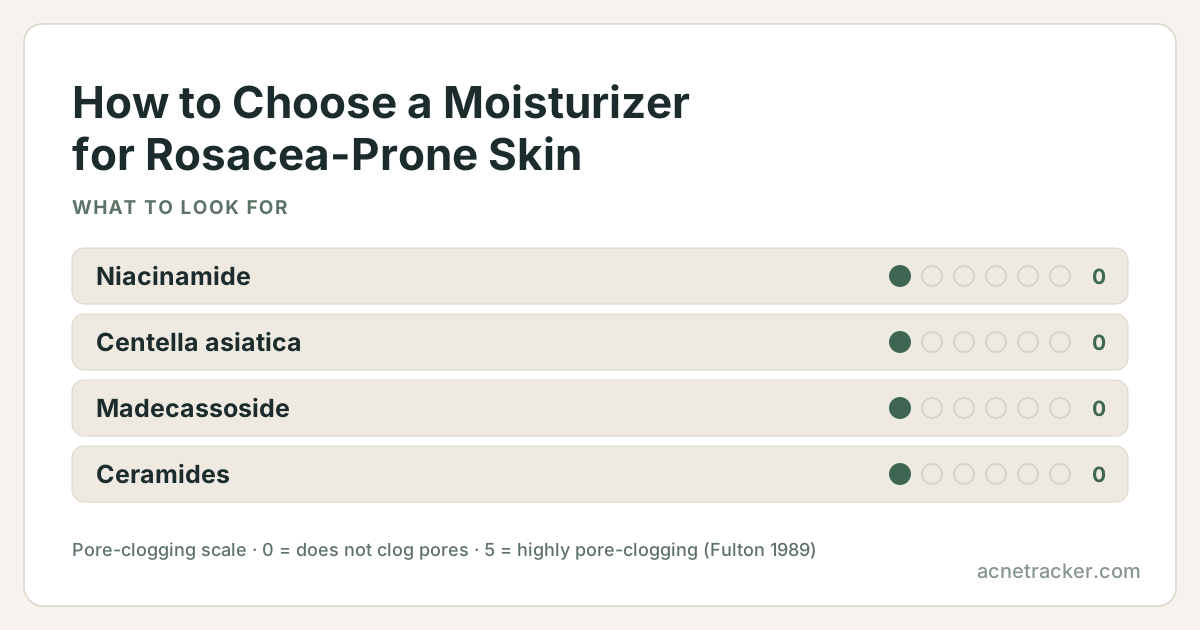
Ingredients to look for
| Ingredient | Why it matters |
|---|---|
| Niacinamide | Supports the barrier and has anti-inflammatory action that can help calm the redness and reactivity typical of rosacea. |
| Centella asiatica | A soothing botanical with evidence for calming redness and supporting the barrier, well tolerated by reactive skin. |
| Madecassoside | A purified centella compound specifically studied for soothing and reducing visible redness in sensitive, reactive skin. |
| Ceramides | Rebuild the compromised barrier that leaves rosacea-prone skin sensitive and prone to flushing. |
| Colloidal oatmeal | A gentle skin-protectant that eases the itching and irritation that can accompany a flare. |
Ingredients to avoid
| Ingredient | Why it matters |
|---|---|
| Fragrance and essential oils | Among the most reliable rosacea triggers; even small amounts can provoke stinging and a visible flush. |
| Cooling agents (menthol, camphor, peppermint, eucalyptus) | These 'cooling' agents feel refreshing but are classic rosacea flare triggers that irritate reactive vessels. |
| Denatured alcohol high on the list | Its drying, destabilising effect worsens the already fragile rosacea barrier and often provokes flushing. |
| Harsh exfoliating acids and scrubs in a daily cream | Physical or strong chemical exfoliation inflames rosacea-prone skin and can set off a prolonged flare. |
How to choose
Choose for calm, not for actives. A simple fragrance-free cream built around barrier lipids and soothing ingredients is the goal; the shorter and plainer the list, the lower the flare risk. Look for ceramides plus a calming agent such as centella, madecassoside or niacinamide, and a smooth non-tingling texture — anything that produces a cooling or tingling sensation is a warning sign for reactive skin. Green-tinted moisturizers can help visually neutralise redness, which is cosmetic but can be reassuring. Avoid products promising to 'cure' or 'clear' rosacea, since no cosmetic can do that. Because triggers are individual, introduce one product at a time and note flushing. Most importantly, treat the moisturizer as support for a medical plan: prescription creams and oral treatments from a doctor address the condition itself, and a gentle moisturizer helps your skin tolerate them.
How to apply
Apply gently to slightly damp skin, patting rather than rubbing, morning and evening. Use lukewarm water when cleansing beforehand, since heat is a common flushing trigger. In the morning, follow with a mineral sunscreen once the cream has absorbed — sun is one of the most frequent rosacea triggers, so daily protection matters as much as the moisturizer. When your skin is flaring, pare your routine back to a gentle cleanser and this cream until it settles, and avoid introducing new actives mid-flare.
Frequently asked questions
Can a moisturizer cure rosacea?
No. Rosacea is a chronic medical condition with no cosmetic cure. A good moisturizer reduces reactivity and supports the barrier, but treating the condition itself needs a doctor and often prescription therapy.
What moisturizer ingredients trigger rosacea?
Fragrance, essential oils, denatured alcohol, and 'cooling' agents like menthol, camphor and peppermint are common triggers. A simple fragrance-free cream avoids most of them.
Should rosacea-prone skin use niacinamide?
Usually yes. Niacinamide supports the barrier and has anti-inflammatory effects that can help calm redness, and it is generally well tolerated. Introduce it slowly and watch how your skin responds.
Is sunscreen or moisturizer more important for rosacea?
Both matter, but daily sun protection is critical because UV is a leading rosacea trigger. Pair a gentle moisturizer with a mineral sunscreen for the best day-to-day control.
When should I see a doctor about rosacea?
If you have persistent facial redness, visible vessels, or bumps that skincare does not settle, see a doctor. Rosacea responds well to prescription treatment, and early care helps prevent it worsening.
Sources & further reading
There is no single study of this exact question. The guidance here is reasoned from the ingredient profiles below, each of which carries its own references:
- Niacinamide2 refs
- Centella Asiatica2 refs
- Madecassoside3 refs
- Ceramides3 refs
- Colloidal Oatmeal2 refs
Show every reference behind this page (9)
- Niacinamide: mechanisms of action and its topical use in dermatology (PubMed)cited by Niacinamide
- European Commission CosIng database — Niacinamidecited by Niacinamide, Centella Asiatica, Madecassoside, Ceramides
- Bylka W et al. Centella asiatica in dermatology: an overview. Phytother Res 2014 Aug (PubMed)cited by Centella Asiatica
- PubChem — Madecassoside (CID 24825675)cited by Madecassoside
- Therapeutic properties and pharmacological activities of asiaticoside and madecassoside: A review (PubMed)cited by Madecassoside
- DermNet — Skin barrier functioncited by Ceramides
- PubChem — Ceramide compound summarycited by Ceramides
- FDA OTC monograph — skin protectant drug products (colloidal oatmeal)cited by Colloidal Oatmeal
- PubMed — Colloidal oatmeal formulations as adjunct treatments in atopic dermatitis (J Drugs Dermatol, 2012)cited by Colloidal Oatmeal
Medical disclaimer
Ingredients mentioned on this page
Find your personal acne triggers
Our free Acne Tracker lets you log breakouts, sleep, stress and diet, and shows you which factors correlate with your flare-ups.