How to Choose a Chemical Exfoliant for Rosacea-Prone Skin
Rosacea is a chronic inflammatory skin condition, and exfoliation has to be approached with real caution, because the same reactive, easily flushed skin that defines rosacea is quick to be irritated by acids. That does not mean exfoliation is off the table, but it does mean choosing the gentlest options, going slowly, and prioritising the barrier above all. This guide explains which acids are least likely to provoke flushing, why azelaic acid is often recommended, and where to stop. Rosacea is a medical condition best managed with a doctor or dermatologist, and this guide is about supportive skincare choices, not a treatment plan. What follows describes ingredient profiles rather than brand recommendations.
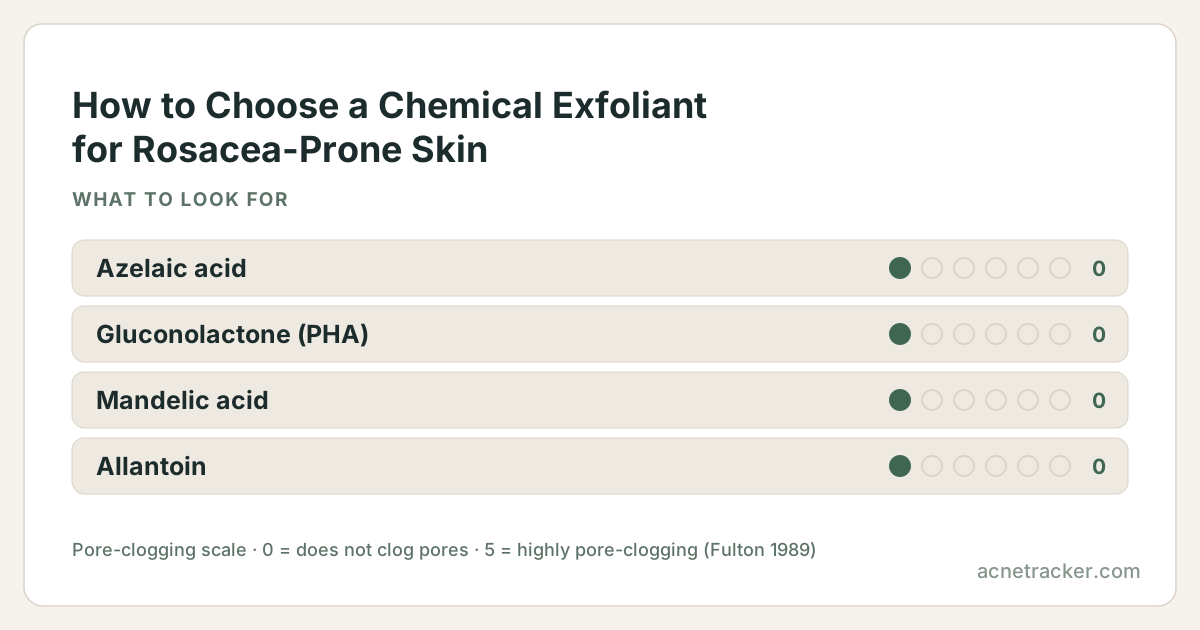
Ingredients to look for
| Ingredient | Why it matters |
|---|---|
| Azelaic acid | Often recommended for rosacea because it calms inflammation and redness while gently normalising skin, with a low irritation profile compared with peeling acids. |
| Gluconolactone (PHA) | A large-molecule polyhydroxy acid that exfoliates very gently and hydrates, making it the safest exfoliating option for reactive, rosacea-prone skin. |
| Mandelic acid | The gentlest common AHA; if a PHA is tolerated and you want a little more, its large molecule keeps the irritation risk relatively low. |
| Allantoin | A soothing support ingredient that calms and protects the barrier, helpful in any formula used on easily inflamed skin. |
Ingredients to avoid
| Ingredient | Why it matters |
|---|---|
| Glycolic acid and strong AHAs | Their fast, deep action frequently triggers stinging, redness and flushing in rosacea-prone skin, and can worsen the condition. |
| Physical scrubs and brushes | Mechanical friction is a classic rosacea trigger, provoking flushing and inflammation without any exfoliating benefit worth the risk. |
| Hot water and heat during exfoliation | Heat dilates facial vessels and drives the flushing central to rosacea, so warm treatments compound irritation from any acid. |
| Fragrance, menthol and essential oils | These common sensitisers frequently flare rosacea and add nothing to an exfoliant beyond irritation risk. |
How to choose
Start with the calmest possible option and treat exfoliation as optional support, not a necessity. Azelaic acid is widely recommended for rosacea because it reduces redness and inflammation as it works, and it is far less likely to sting than a peeling acid. If you want light resurfacing, a polyhydroxy acid like gluconolactone is the gentlest exfoliant, with mandelic acid a cautious step up. Keep percentages low and frequency minimal, and favour formulas rich in soothing ingredients like allantoin, panthenol or centella. Always patch test, and introduce only one new product at a time. Read past 'calming' and 'anti-redness' claims to the actual ingredients. Most importantly, involve a doctor: rosacea is a medical condition, and prescription options often outperform anything on a shop shelf.
How to apply
Patch test on a small area first. If tolerated, apply a very gentle exfoliant like a PHA, or use azelaic acid as directed, in the evening on cool, clean skin, no more than once or twice a week to begin. Use lukewarm, never hot, water. Follow with a soothing, barrier-repairing moisturizer. Never combine with scrubs, heat or a second active. Because acids and rosacea skin are both sun-sensitive, wear broad-spectrum SPF daily. Stop immediately if you notice increased flushing, stinging or redness, and prioritise gentle barrier care.
Frequently asked questions
Can I exfoliate if I have rosacea?
Sometimes, very gently, but exfoliation is optional rather than essential for rosacea-prone skin. Polyhydroxy acids are the mildest option, and azelaic acid is often recommended. Patch test, go slowly, and work with a doctor, since rosacea is a medical condition.
Why is azelaic acid recommended for rosacea?
Because it reduces the redness and inflammation central to rosacea while gently normalising the skin, and it rarely stings the way peeling acids do. It is frequently included in rosacea routines and prescription treatments for exactly these reasons.
Which exfoliants should rosacea-prone skin avoid?
Strong AHAs like high-percentage glycolic acid, all physical scrubs and brushes, and anything with fragrance, menthol or essential oils. Heat and hot water during treatment should also be avoided, since they trigger the flushing that defines rosacea.
Is rosacea something skincare alone can fix?
No. Rosacea is a chronic medical condition, and while gentle skincare and sun protection help manage it, it is best assessed and treated by a doctor or dermatologist. Prescription treatments often work better than anything available over the counter.
Sources & further reading
There is no single study of this exact question. The guidance here is reasoned from the ingredient profiles below, each of which carries its own references:
- Azelaic Acid3 refs
- Gluconolactone3 refs
- Mandelic Acid2 refs
- Allantoin3 refs
Show every reference behind this page (9)
- PubChem — Azelaic acid compound summarycited by Azelaic Acid
- DermNet — Azelaic acidcited by Azelaic Acid
- European Commission CosIng database — Azelaic Acidcited by Azelaic Acid, Gluconolactone, Allantoin
- Clinical and cosmeceutical uses of hydroxyacids (PubMed)cited by Gluconolactone
- PubChem — Glucono-delta-lactonecited by Gluconolactone
- Mandelic acid — PubChem compound summarycited by Mandelic Acid
- DermNet — Alpha hydroxy acidscited by Mandelic Acid
- PubChem — Allantoin compound summarycited by Allantoin
- Final report of the safety assessment of allantoin and its related complexes (PubMed)cited by Allantoin
Medical disclaimer
Ingredients mentioned on this page
Find your personal acne triggers
Our free Acne Tracker lets you log breakouts, sleep, stress and diet, and shows you which factors correlate with your flare-ups.