How to Choose a Moisturizer for Hyperpigmentation
Hyperpigmentation — dark spots, melasma and post-acne marks — is driven by excess melanin, and while the heavy lifting is done by targeted actives and sun protection, the right moisturizer plays a real supporting role. Some tone-supporting ingredients work well in a daily cream, a healthy barrier lets brightening actives work better with less irritation, and consistent hydration keeps the whole routine sustainable. Above all, no anti-dark-spot routine works without daily sunscreen, because UV re-triggers pigment faster than any active can fade it. This page describes the moisturizer profile that supports an evidence-based approach to a more even tone, and sets honest expectations.
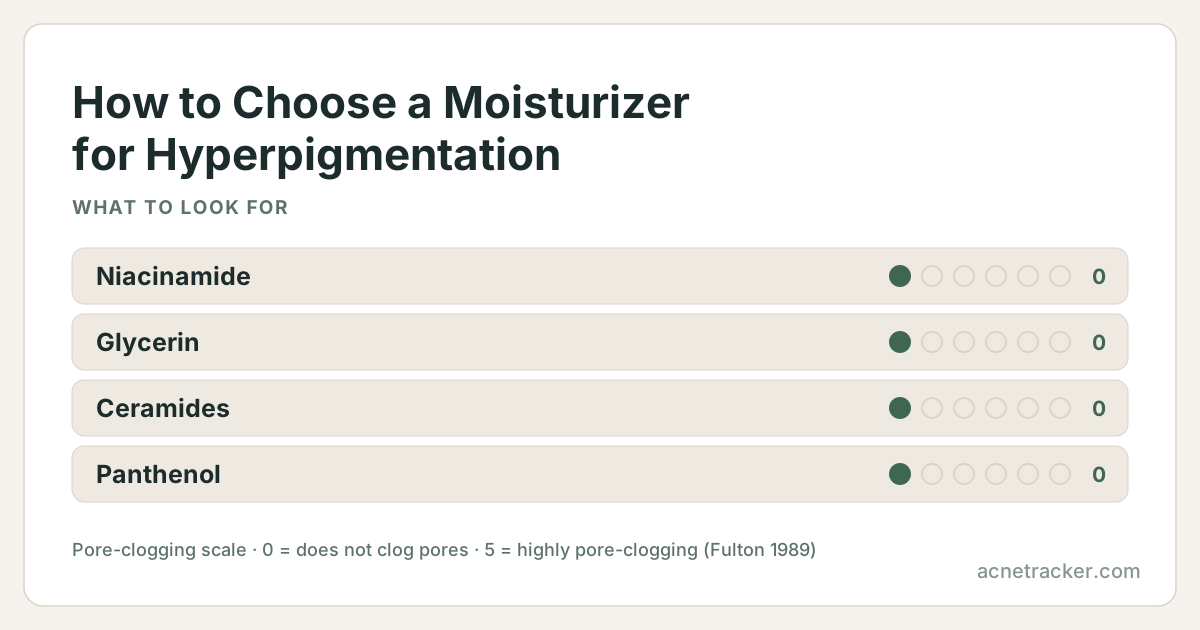
Ingredients to look for
| Ingredient | Why it matters |
|---|---|
| Niacinamide | One of the few tone-supporting ingredients that works well in a moisturizer, helping to limit pigment transfer and even skin tone over weeks. |
| Glycerin | Keeps skin hydrated and comfortable so brightening actives are better tolerated and used more consistently. |
| Ceramides | Support the barrier that pigment-fading actives can compromise, reducing the irritation that itself can darken skin. |
| Panthenol | Soothes and supports the barrier, useful when using potentially irritating brightening ingredients. |
| Antioxidants (vitamin C derivatives, vitamin E) | Help defend against the UV and free-radical damage that drives pigment, complementing sunscreen. |
Ingredients to avoid
| Ingredient | Why it matters |
|---|---|
| Skipping or under-using sunscreen | The biggest mistake with hyperpigmentation: UV re-darkens spots faster than any moisturizer or active can fade them. |
| Fragrance and other irritants | Irritation can trigger post-inflammatory hyperpigmentation, especially in deeper skin tones, making marks worse. |
| Unproven 'whitening' creams with hidden ingredients | Some illegal skin-lightening products contain mercury or high-dose steroids that are dangerous and can worsen pigment long term. |
| Harsh scrubbing to 'buff away' spots | Physical abrasion inflames the skin and can deepen pigmentation rather than removing it. |
How to choose
Set expectations first: a moisturizer supports an even tone but does not fade pigment on its own — that job belongs to sunscreen and targeted actives like vitamin C, azelaic acid, retinoids or others used in separate steps. Choose a moisturizer with niacinamide, which genuinely helps tone and works well in a leave-on cream, plus barrier support so your active steps are better tolerated. A fragrance-free formula matters because irritation can cause post-inflammatory marks, particularly in medium and deep skin tones. Most importantly, treat daily broad-spectrum sunscreen as the non-negotiable core of any pigmentation routine. Avoid products promising to 'bleach' or 'whiten', and steer clear of unregulated lightening creams, some of which contain unsafe ingredients. If pigment is extensive, patterned like melasma, or not improving, a doctor or dermatologist can offer stronger, safer options.
How to apply
Apply your moisturizer morning and evening, layering it after any brightening serum so it seals in the active and offsets its dryness. The truly critical step is the morning one: after your moisturizer absorbs, apply a generous layer of broad-spectrum SPF 30 or higher and reapply through the day if you are outdoors. Consistency matters more than intensity with pigmentation — spots fade slowly over months, so a routine you keep up beats an aggressive one you abandon. Protect treated areas from sun especially carefully, since fresh pigment darkens easily.
Frequently asked questions
Can a moisturizer fade dark spots?
On its own, only modestly. Niacinamide in a moisturizer helps even tone over time, but meaningful fading comes from targeted actives and, above all, daily sun protection. The moisturizer plays a supporting role.
Why is sunscreen so important for hyperpigmentation?
UV stimulates the melanin that causes dark spots, re-darkening them faster than actives can fade them. Without daily broad-spectrum sunscreen, any pigmentation routine is fighting a losing battle.
Which moisturizer ingredient helps most with uneven tone?
Niacinamide is the standout, because it genuinely supports a more even tone and works well in a leave-on moisturizer, unlike many brightening actives that belong in a separate serum step.
Are skin-whitening creams safe?
Many unregulated whitening creams are not. Some contain mercury or potent steroids that are harmful and can worsen pigmentation long term. Stick to evidence-based ingredients and see a doctor for stronger treatment.
How long does hyperpigmentation take to fade?
Usually months, not weeks, even with a good routine and diligent sun protection. Post-acne marks fade faster than melasma. If there is no improvement over several months, a dermatologist can help.
Sources & further reading
There is no single study of this exact question. The guidance here is reasoned from the ingredient profiles below, each of which carries its own references:
- Niacinamide2 refs
- Glycerin3 refs
- Ceramides3 refs
- Panthenol3 refs
- Vitamin C3 refs
Show every reference behind this page (10)
- Niacinamide: mechanisms of action and its topical use in dermatology (PubMed)cited by Niacinamide
- European Commission CosIng database — Niacinamidecited by Niacinamide, Glycerin, Ceramides, Panthenol, Vitamin C
- PubChem — Glycerol compound summarycited by Glycerin
- DermNet — Moisturiserscited by Glycerin
- DermNet — Skin barrier functioncited by Ceramides
- PubChem — Ceramide compound summarycited by Ceramides
- PubChem — Panthenol compound summarycited by Panthenol
- Safety Assessment of Panthenol, Pantothenic Acid, and Derivatives as Used in Cosmetics (PubMed)cited by Panthenol
- PubChem — Ascorbic Acid compound summarycited by Vitamin C
- DermNet — Topical vitamin Ccited by Vitamin C
Medical disclaimer
Ingredients mentioned on this page
Find your personal acne triggers
Our free Acne Tracker lets you log breakouts, sleep, stress and diet, and shows you which factors correlate with your flare-ups.