How to Choose a Body Wash for Dark Spots on the Body
Dark spots on the body — on the back, chest, shoulders, elbows and along waistbands — are usually post-inflammatory hyperpigmentation: brown or grey marks left after body acne, folliculitis, ingrown hairs or friction have healed. They are not active breakouts and they fade slowly on their own, which sets a realistic frame for a wash. A body wash rinses off in seconds, so brightening actives in it are a slow, supporting nudge, not an eraser, and the two things that actually move body pigmentation are consistent leave-on actives and, crucially, sun protection. This page describes the ingredient profile worth looking for, the habits that keep spots from getting darker, and honest expectations.
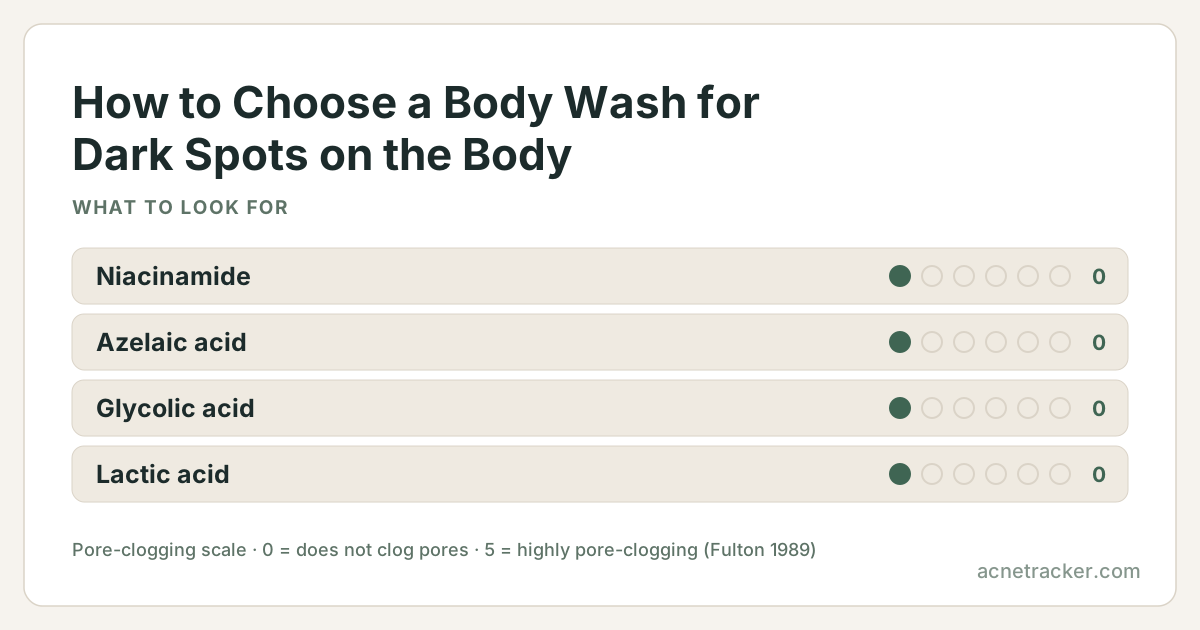
Ingredients to look for
| Ingredient | Why it matters |
|---|---|
| Niacinamide | Interferes with pigment transfer to skin cells and calms inflammation; one of the gentler, better-tolerated brightening ingredients, though contact time in a wash limits it. |
| Azelaic acid | Helps fade post-inflammatory marks and is useful where old spots sit alongside active body breakouts; works better left on but signals a brightening-oriented formula. |
| Glycolic acid | Exfoliates pigmented surface cells over time, gradually evening out tone and texture on body skin. |
| Lactic acid | A gentler AHA that both exfoliates pigmented cells and hydrates; suits body areas prone to marks and dryness together. |
| Vitamin C (ascorbic acid derivatives) | An antioxidant that can support a brighter, more even tone, though it is far more effective in a leave-on product than a rinse-off wash. |
Ingredients to avoid
| Ingredient | Why it matters |
|---|---|
| Picking, squeezing and scrubbing spots | The inflammation from picking and abrasion is what deepens post-inflammatory marks, so aggressive treatment makes dark spots worse, not better. |
| Skipping sunscreen on exposed body skin | Not a wash ingredient, but decisive: UV darkens existing spots and undoes brightening work, so unprotected sun is the main reason body marks persist. |
| Unregulated skin-'bleaching' washes | Products promising to 'whiten' skin can contain unlisted or banned agents; avoid them and use evidence-based brightening ingredients instead. |
| Harsh acids on inflamed, broken skin | Applying strong exfoliants to active spots or wounds can trigger more inflammation and, in turn, more pigmentation. |
How to choose
Set the expectation first: dark spots fade slowly, and a wash is a minor, supporting player behind leave-on actives and sun protection. In the wash itself, look for niacinamide, azelaic acid or gentle AHAs like glycolic or lactic acid, which nudge tone and texture over weeks; treat vitamin C in a wash as a bonus rather than a workhorse. Avoid anything promising to 'bleach' or 'whiten' skin, which can hide unsafe ingredients, and steer clear of harsh scrubs that inflame and darken marks. The two decisions that matter most are outside the shower: a consistent leave-on brightening routine, and daily sunscreen on any body skin that sees sun, because UV re-darkens spots faster than any wash can fade them. If a spot is new, changing or irregular, have it checked by a doctor rather than treated as pigmentation.
How to apply
Use a brightening wash consistently rather than intensely, giving any acids a short contact time before rinsing. The real progress comes from what follows: apply a leave-on brightening treatment to the marked areas, and — the single most important habit — use sunscreen on exposed body skin daily, reapplying outdoors. Do not scrub or pick the spots. Fading body pigmentation takes weeks to months, so judge results over that timescale, not day to day.
Frequently asked questions
What causes dark spots on the body?
Most are post-inflammatory hyperpigmentation — marks left after body acne, folliculitis, ingrown hairs, friction or minor injuries heal. They are not active spots. Friction areas like waistbands and inner thighs, and sun-exposed skin, are especially prone to them.
Can a body wash fade dark spots?
Only slightly and slowly. Because it rinses off in seconds, a brightening wash is a supporting step; the real fading comes from consistent leave-on actives and daily sun protection. Expect gradual improvement over weeks to months, not a quick fix.
Why do my body dark spots keep coming back or getting darker?
Usually sun exposure and ongoing inflammation. UV re-darkens existing marks, and picking, scrubbing or continued breakouts create new ones. Daily sunscreen on exposed skin and treating the underlying cause matter more than any brightening wash.
Is sunscreen really necessary for body hyperpigmentation?
Yes — it is the most important step. UV light darkens existing spots and undoes brightening efforts, so unprotected sun is the main reason body pigmentation persists. Sunscreen on sun-exposed body skin, reapplied outdoors, protects the progress the rest of your routine makes.
Sources & further reading
There is no single study of this exact question. The guidance here is reasoned from the ingredient profiles below, each of which carries its own references:
- Niacinamide2 refs
- Azelaic Acid3 refs
- Glycolic Acid3 refs
- Lactic Acid3 refs
- Vitamin C3 refs
Show every reference behind this page (9)
- Niacinamide: mechanisms of action and its topical use in dermatology (PubMed)cited by Niacinamide
- European Commission CosIng database — Niacinamidecited by Niacinamide, Azelaic Acid, Glycolic Acid, Lactic Acid, Vitamin C
- PubChem — Azelaic acid compound summarycited by Azelaic Acid
- DermNet — Azelaic acidcited by Azelaic Acid
- PubChem — Glycolic acid compound summarycited by Glycolic Acid
- DermNet — Alpha hydroxy acidscited by Glycolic Acid, Lactic Acid
- PubChem — Lactic acid compound summarycited by Lactic Acid
- PubChem — Ascorbic Acid compound summarycited by Vitamin C
- DermNet — Topical vitamin Ccited by Vitamin C
Medical disclaimer
Ingredients mentioned on this page
Find your personal acne triggers
Our free Acne Tracker lets you log breakouts, sleep, stress and diet, and shows you which factors correlate with your flare-ups.