How to Choose a Chemical Exfoliant for Hyperpigmentation
Hyperpigmentation — dark marks, sun spots and post-acne discolouration — responds to exfoliation because clearing pigmented surface cells and speeding turnover lets brighter skin come through faster. But this is also where exfoliation can backfire: too aggressive, and the resulting inflammation triggers more pigment, especially in medium and deeper skin tones. This guide explains which acids fade marks safely, why sun protection is not optional here, and how to pair exfoliation with patience. We review ingredient profiles rather than brands, because the acids and support ingredients that address pigment are consistent even as products change. Persistent or spreading pigmentation can have medical causes worth checking with a professional.
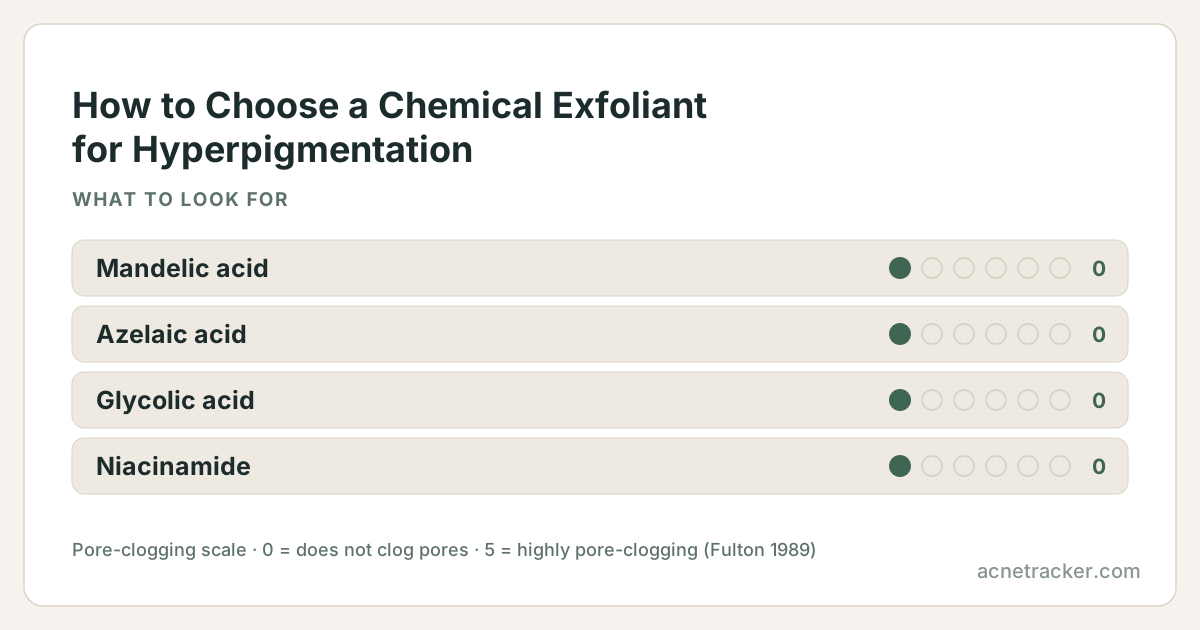
Ingredients to look for
| Ingredient | Why it matters |
|---|---|
| Mandelic acid | A large-molecule AHA that fades pigment with a low irritation risk, making it a preferred exfoliant for discolouration on skin prone to post-inflammatory marks. |
| Azelaic acid | Targets pigment directly by inhibiting the enzyme behind melanin production while calming inflammation, so it fades marks without provoking new ones. |
| Glycolic acid | A well-studied AHA that speeds turnover of pigmented cells; effective on marks but best used carefully on darker tones to avoid rebound pigment. |
| Niacinamide | A non-acid support ingredient that limits pigment transfer to surface cells and steadies the barrier during a brightening routine. |
Ingredients to avoid
| Ingredient | Why it matters |
|---|---|
| Aggressive high-percentage peels at home | Over-exfoliation inflames the skin, and inflammation drives more pigment — the exact opposite of the goal, particularly in deeper tones. |
| Skipping sunscreen | UV exposure re-darkens marks faster than any acid can fade them, so exfoliating without daily SPF is largely wasted effort. |
| Physical scrubs on pigmented areas | Friction causes micro-inflammation that can deepen existing marks and trigger new post-inflammatory pigmentation. |
| Unrealistic timelines and product-hopping | Pigment fades over months; switching aggressively between strong products irritates skin and slows, rather than speeds, results. |
How to choose
Match the acid to your skin tone and mark type. For medium to deeper tones prone to post-inflammatory hyperpigmentation, gentler options like mandelic acid and azelaic acid are safer, because they fade pigment with less risk of the inflammation that causes rebound darkening. Glycolic acid is effective but should be used cautiously and at moderate strength on darker skin. Look for formulas that pair the exfoliant with pigment-specific support such as niacinamide. Crucially, treat daily broad-spectrum SPF as part of the product, not an optional extra — without it, marks simply return. Read past 'brightening' and 'even-tone' marketing to the actual actives and their percentages. Above all, choose consistency over strength: gentle acids used patiently fade pigment more reliably, and more safely, than harsh ones used aggressively.
How to apply
Apply a pigment-focused exfoliant in the evening on clean skin, starting two evenings a week. Treat the whole area evenly rather than only the visible marks, so you do not create patchy tone. Follow with supportive ingredients like niacinamide and a moisturizer. The single most important step is daily broad-spectrum SPF every morning, reapplied through the day, because sun exposure undoes fading and darkens marks. Expect gradual results over two to three months. If skin becomes irritated, stop and let it calm, since inflammation itself worsens pigmentation.
Frequently asked questions
Which acid is best for fading dark marks?
Mandelic acid and azelaic acid are often preferred because they fade pigment with a low risk of irritation, which matters since irritation can cause more pigment. Glycolic acid works too, but use it carefully, especially on darker skin tones.
Why does exfoliating sometimes make pigmentation worse?
Because over-exfoliation inflames the skin, and inflammation stimulates melanin, leading to post-inflammatory hyperpigmentation. This is more likely in medium and deep skin tones. Gentle acids used moderately fade marks without triggering this rebound effect.
Do I really need sunscreen when treating hyperpigmentation?
Absolutely. UV exposure re-darkens marks faster than any exfoliant can fade them. Daily broad-spectrum SPF is the most important part of any pigmentation routine; without it, you are working against yourself every day.
How long does it take to fade hyperpigmentation with acids?
Usually two to three months of consistent use, sometimes longer for deeper or older marks. Pigment fades slowly. Patience with a gentle routine beats aggressive treatment, which risks irritation and, with it, even more pigment.
Sources & further reading
There is no single study of this exact question. The guidance here is reasoned from the ingredient profiles below, each of which carries its own references:
- Mandelic Acid2 refs
- Azelaic Acid3 refs
- Glycolic Acid3 refs
- Niacinamide2 refs
Show every reference behind this page (7)
- Mandelic acid — PubChem compound summarycited by Mandelic Acid
- DermNet — Alpha hydroxy acidscited by Mandelic Acid, Glycolic Acid
- PubChem — Azelaic acid compound summarycited by Azelaic Acid
- DermNet — Azelaic acidcited by Azelaic Acid
- European Commission CosIng database — Azelaic Acidcited by Azelaic Acid, Glycolic Acid, Niacinamide
- PubChem — Glycolic acid compound summarycited by Glycolic Acid
- Niacinamide: mechanisms of action and its topical use in dermatology (PubMed)cited by Niacinamide
Medical disclaimer
Ingredients mentioned on this page
Find your personal acne triggers
Our free Acne Tracker lets you log breakouts, sleep, stress and diet, and shows you which factors correlate with your flare-ups.