How to Choose a Chemical Exfoliant for Keratosis Pilaris
Keratosis pilaris — the rough 'chicken skin' bumps most often on the upper arms and thighs — happens when keratin plugs the hair follicles. It is a very common, harmless genetic trait rather than a disease, and while exfoliation can smooth and soften the texture noticeably, it does not cure the underlying tendency. The winning approach pairs a keratin-softening humectant with a mild exfoliating acid, applied consistently. This guide explains why urea plus lactic or salicylic acid is the classic combination, what to skip, and what results to realistically expect. We review ingredient profiles rather than brands, so you can build an effective body routine yourself.
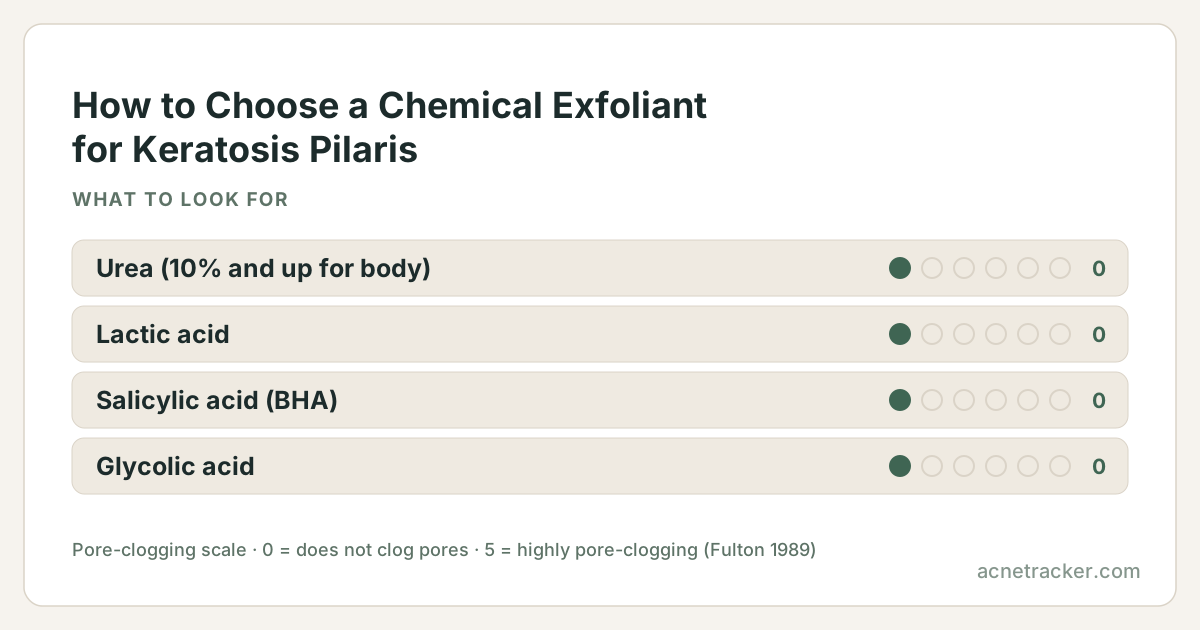
Ingredients to look for
| Ingredient | Why it matters |
|---|---|
| Urea (10% and up for body) | Softens the keratin plugs and deeply hydrates, addressing both the bumps and the dryness of KP — the cornerstone ingredient for this concern. |
| Lactic acid | An AHA that both exfoliates the plugs and hydrates, smoothing KP texture while easing the dryness that comes with it. |
| Salicylic acid (BHA) | Oil-soluble, so it works inside the follicle to clear the keratin plug, particularly useful when bumps are inflamed or reddened. |
| Glycolic acid | A small AHA that resurfaces the rough surface layer of KP, useful in body formulas at moderate strength. |
Ingredients to avoid
| Ingredient | Why it matters |
|---|---|
| Aggressive scrubbing of the bumps | Vigorous physical scrubbing inflames KP and can leave red marks without smoothing the follicular plugs underneath. |
| Picking or squeezing the bumps | It irritates the follicle, can cause scarring and post-inflammatory marks, and does nothing to resolve the plug. |
| Harsh, drying soaps on affected areas | KP skin is usually dry, and stripping body washes worsen the dryness that makes the bumps rougher and more visible. |
| Expecting a permanent cure | KP is genetic; treating it as curable leads to over-exfoliation, whereas consistent gentle care manages it well without irritation. |
How to choose
Look for a combination of a keratin-softener and a mild acid. Urea at body-appropriate strength (often 10% or higher) is the cornerstone, softening the plugs and hydrating dry KP skin. Pair it with lactic acid for gentle, hydrating exfoliation, or salicylic acid if the bumps are inflamed, since its oil solubility clears the follicle. Glycolic acid at moderate strength is another surface option. Choose a lotion or cream format designed for the body, which covers large areas comfortably and delivers moisture alongside the acids. Read past 'smoothing' and 'bump-clearing' claims to the actual ingredients and their percentages. Set realistic expectations: consistent use markedly improves texture, but KP tends to return if you stop, so the goal is ongoing management, not a one-time fix.
How to apply
Apply a urea-and-acid body lotion to affected areas, usually the upper arms, thighs and sometimes cheeks, once daily or as tolerated, ideally after showering when skin is soft. Massage it in gently rather than scrubbing. Keep the area well moisturized between applications, since dryness worsens the bumps. If using salicylic or glycolic acid on skin exposed to sun, apply broad-spectrum SPF to those areas. Expect gradual smoothing over several weeks of consistent use, and continue the routine to maintain results, since stopping usually lets the bumps slowly return.
Frequently asked questions
Can chemical exfoliants cure keratosis pilaris?
No. KP is a harmless genetic trait, not a disease, and cannot be permanently cured. Exfoliation with urea and acids noticeably smooths the bumps and eases the dryness, but the tendency returns if you stop, so it is about ongoing management.
What is the best ingredient combination for KP?
Urea to soften the keratin plugs and hydrate, paired with a mild acid such as lactic acid, or salicylic acid when bumps are inflamed. This combination smooths texture while addressing the dryness that makes KP rougher and more visible.
Should I scrub keratosis pilaris to smooth it?
No. Physical scrubbing inflames the bumps and can leave red marks without clearing the plugs inside the follicles. Chemical exfoliation with urea and gentle acids is more effective and far less irritating than scrubbing.
Is keratosis pilaris a medical condition?
It is a very common, harmless genetic skin trait rather than a disease, and needs no treatment for health reasons. If bumps are very inflamed, painful or you are unsure of the diagnosis, a doctor can confirm it and suggest options.
Sources & further reading
There is no single study of this exact question. The guidance here is reasoned from the ingredient profiles below, each of which carries its own references:
- Urea2 refs
- Lactic Acid3 refs
- Salicylic Acid2 refs
- Glycolic Acid3 refs
Show every reference behind this page (8)
- PubChem — Ureacited by Urea
- DermNet — Emollients and moisturiserscited by Urea
- PubChem — Lactic acid compound summarycited by Lactic Acid
- DermNet — Alpha hydroxy acidscited by Lactic Acid, Glycolic Acid
- European Commission CosIng database — Lactic Acidcited by Lactic Acid, Glycolic Acid
- Salicylic acid as a peeling agent: a comprehensive review (PubMed)cited by Salicylic Acid
- FDA OTC monograph — acne drug products (salicylic acid 0.5–2%)cited by Salicylic Acid
- PubChem — Glycolic acid compound summarycited by Glycolic Acid
Medical disclaimer
Ingredients mentioned on this page
Find your personal acne triggers
Our free Acne Tracker lets you log breakouts, sleep, stress and diet, and shows you which factors correlate with your flare-ups.