Can You Mix Glycolic Acid and Retinol?
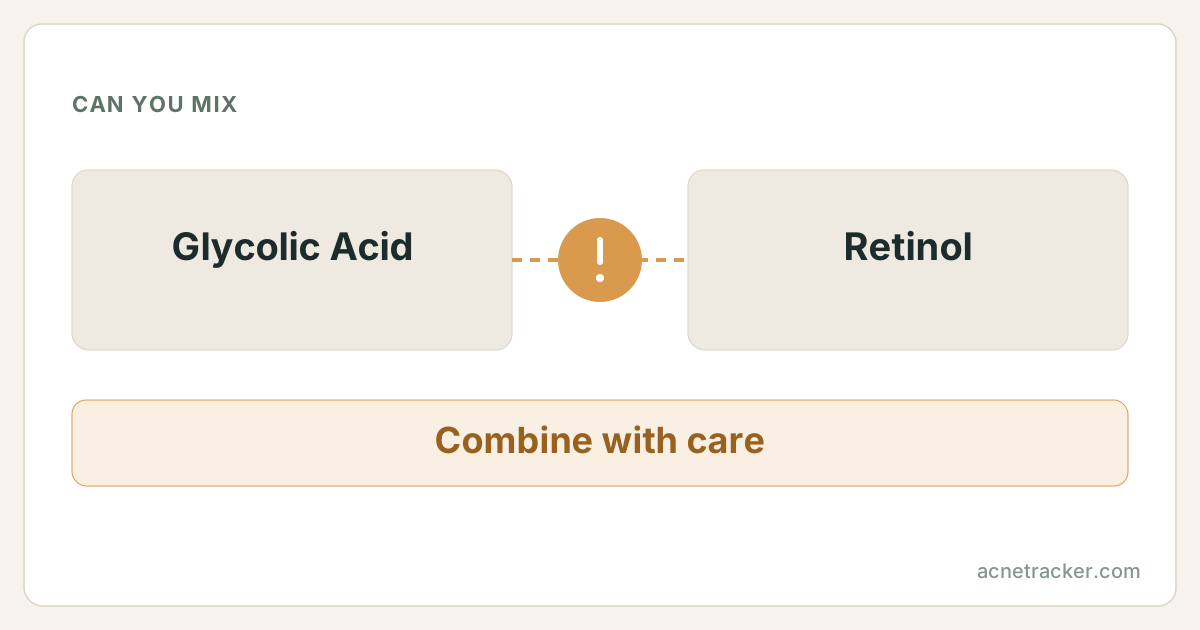
Proceed with caution. Glycolic acid and retinol are two of the most powerful renewal ingredients available, and layering them in the same routine is a common cause of over-exfoliation, stinging and a damaged barrier. They can absolutely be part of the same regimen, but most people should use them on alternate nights rather than together, giving each active a clear night to work.
How this pairing resolves
The two ingredients, their published numbers, and where they land together.
The numbers beside each ingredient are its published comedogenic rating and effective pH window, taken from its own profile page.
Show the numbers
| Ingredients | Metric | 0–5 |
|---|---|---|
| Glycolic Acid | Comedogenic rating | 0/5 |
| Glycolic Acid | Effective pH | 3.0–4.0 |
| Retinol | Comedogenic rating | 1/5 |
| Retinol | Effective pH | 5.0–6.0 |
Why
Glycolic acid is the smallest alpha hydroxy acid molecule, which lets it penetrate the surface layers quickly and loosen the glue between dead cells at a low, active pH of around 3 to 4. Retinol drives renewal from deeper in the epidermis by signalling faster cell turnover and collagen remodelling. Both therefore accelerate exfoliation, and stacking them means the skin sheds far faster than it can rebuild its protective barrier — the classic recipe for redness, peeling and a stinging, over-processed complexion. Because glycolic penetrates so efficiently, it also drives retinol deeper and can amplify its irritation more than gentler acids do. There is a secondary chemistry note: glycolic acid's low pH is not the environment where retinol converts most efficiently, so simultaneous use is not even optimal for results. The sensible read is that these are complementary tools best used on their own nights, not competing actives to be forced into one layer.
How to combine them
Alternate them by night. A typical schedule is glycolic acid twice a week and retinol two or three nights a week, never on the same evening while you build tolerance, with soothing moisturizer-only nights in between. Apply each to clean, dry skin, then seal with moisturizer. If your skin is experienced and resilient, you can occasionally cycle them — for example glycolic acid one week to smooth and brighten, then a retinol-focused week — but this is an advanced pattern. Beginners should master one active first, ideally over four weeks, before introducing the second. Every morning, regardless of which you used, apply broad-spectrum SPF 30 or higher; glycolic acid in particular leaves fresh skin highly vulnerable to UV for days, and retinol adds to that sensitivity.
Example routine
| When | Steps |
|---|---|
| Evening (2× per week) | Cleanser → Glycolic acid → Moisturizer |
| Evening (2–3× per week) | Cleanser → Retinol → Moisturizer |
| Remaining evenings | Cleanser → Moisturizer (recovery) |
| Every morning | Gentle cleanser → Moisturizer → SPF 30+ |
Warning signs
Frequently asked questions
Can I use glycolic acid and retinol together every night?
No. Nightly use of both is the fastest way to over-exfoliate. Alternate them on separate nights and keep recovery nights with only moisturizer, especially while your skin is adjusting.
Is glycolic acid or retinol more irritating?
It depends on strength, but glycolic acid tends to sting more on application while retinol causes more delayed flaking. Because glycolic penetrates so well, combining them amplifies both effects.
Can I use a peel with glycolic acid while on retinol?
Space them out. Do not do a glycolic peel on the same night as retinol, and give your skin a few recovery days around a stronger peel before returning to retinol.
Are these safe to combine in pregnancy?
Low-strength glycolic acid is generally considered acceptable, but retinol and other retinoids are usually avoided in pregnancy. If you are pregnant, drop the retinol and check with your doctor.
Sources & further reading
There is no single study of this exact question. The guidance here is reasoned from the ingredient profiles below, each of which carries its own references:
- Glycolic Acid3 refs
- Retinol2 refs
Show every reference behind this page (5)
- PubChem — Glycolic acid compound summarycited by Glycolic Acid
- DermNet — Alpha hydroxy acidscited by Glycolic Acid
- European Commission CosIng database — Glycolic Acidcited by Glycolic Acid
- Improvement of naturally aged skin with vitamin A (retinol) (PubMed)cited by Retinol
- European Commission SCCS opinion on vitamin A in cosmeticscited by Retinol
Medical disclaimer
Ingredients mentioned on this page
Find your personal acne triggers
Our free Acne Tracker lets you log breakouts, sleep, stress and diet, and shows you which factors correlate with your flare-ups.