How to Choose a Chemical Exfoliant for Body Acne
Body acne on the back, chest and shoulders forms the same way facial acne does — clogged, inflamed follicles — but it is often driven by sweat, friction from clothing and tight sportswear worn too long. Exfoliating acids help by keeping the follicles clear, and the body tolerates them a little better than the face, so slightly stronger formats and larger-coverage products make sense. This guide explains which acids suit body breakouts, why salicylic acid leads, and the practical habits that matter as much as any product. Widespread or cystic body acne can be a medical condition worth seeing a doctor about. We review ingredient profiles, not brands.
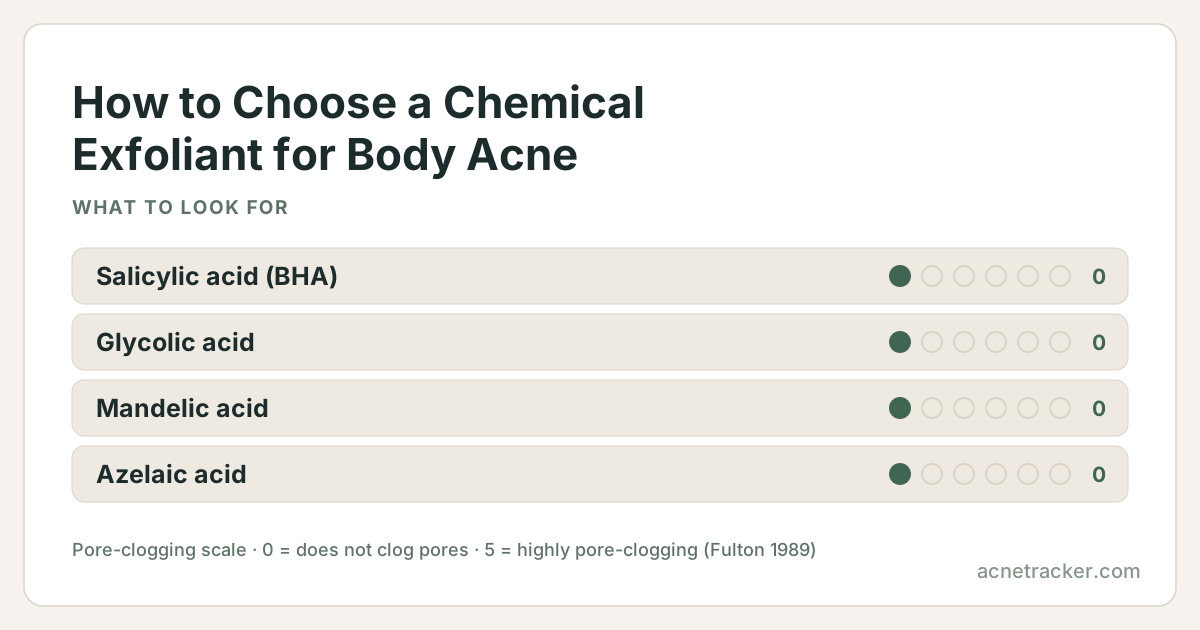
Ingredients to look for
| Ingredient | Why it matters |
|---|---|
| Salicylic acid (BHA) | Oil-soluble and follicle-clearing, it is the leading acid for body acne; available in washes and sprays that cover the back and chest easily. |
| Glycolic acid | A surface AHA that resurfaces and helps fade the marks body acne leaves behind, useful in body washes and lotions at moderate strength. |
| Mandelic acid | A gentle AHA with mild antibacterial action, a good option for body acne on skin that reacts to stronger acids. |
| Azelaic acid | Calms inflammation and helps the post-acne marks that are common on the back and chest, complementing an exfoliating acid. |
Ingredients to avoid
| Ingredient | Why it matters |
|---|---|
| Sitting in sweaty, tight clothing | Trapped sweat and friction feed body breakouts, so the best exfoliant underperforms if damp gym wear stays on for hours. |
| Aggressive scrubbing with rough brushes | Hard physical scrubbing inflames body acne and can spread bacteria, worsening breakouts and risking marks on the back and chest. |
| Heavy, occlusive body oils and butters | Rich, comedogenic products on the back and chest can clog follicles and add to the congestion you are trying to clear. |
| Leaving conditioner residue on the back | Rinsing hair conditioner over the back last can leave a comedogenic film; rinse it off or wash the back afterwards. |
How to choose
Lead with salicylic acid, since body acne is follicular congestion and oil solubility clears the follicle from within. A salicylic acid body wash is a practical entry point, giving reasonable contact over large areas, while a leave-on spray or lotion does more where breakouts are stubborn. Glycolic acid helps resurface and fade marks, and azelaic acid calms inflammation and post-acne discolouration. Mandelic acid suits more reactive skin. Choose formats built for the body that reach the back easily, and read past 'clarifying body' language to the actual actives and percentages. Combine the product with practical habits: shower promptly after sweating, wear breathable fabrics, and change out of damp clothing. For widespread, painful or cystic body acne, see a doctor rather than relying on exfoliation alone.
How to apply
Use a salicylic acid body wash in the shower, letting it sit on the skin for a short time before rinsing, or apply a leave-on acid lotion or spray to the back and chest after showering. Start a few times a week and build as tolerated. Shower as soon as possible after sweating, and change out of tight, damp clothing promptly. Wear loose, breathable fabrics over affected areas. Because acids increase sun sensitivity, protect exposed skin such as the chest and shoulders with broad-spectrum SPF. Expect gradual improvement over several weeks.
Frequently asked questions
What acid is best for back and chest acne?
Salicylic acid usually leads, because body acne is clogged follicles and its oil solubility clears them from within. It comes in body washes and sprays that reach large areas. Glycolic acid helps with marks, and azelaic acid calms inflammation.
Why do I keep getting body acne after workouts?
Sweat and friction from tight sportswear feed body breakouts. Sitting in damp gym clothes lets sweat and bacteria clog follicles. Showering promptly after exercise, and using a salicylic acid wash, makes a big difference alongside breathable fabrics.
Can I use a stronger acid on my body than my face?
Often, yes. Body skin generally tolerates exfoliation a little better than facial skin, so slightly stronger washes and lotions are usually fine. Still build up gradually and watch for irritation, especially on more delicate areas.
Should I scrub body acne to clear it faster?
No. Rough scrubbing inflames breakouts and can spread bacteria, making things worse and risking marks. Chemical exfoliation with salicylic acid clears the follicles more effectively and far more gently than any physical scrub.
Sources & further reading
There is no single study of this exact question. The guidance here is reasoned from the ingredient profiles below, each of which carries its own references:
- Salicylic Acid2 refs
- Glycolic Acid3 refs
- Mandelic Acid2 refs
- Azelaic Acid3 refs
Show every reference behind this page (8)
- Salicylic acid as a peeling agent: a comprehensive review (PubMed)cited by Salicylic Acid
- FDA OTC monograph — acne drug products (salicylic acid 0.5–2%)cited by Salicylic Acid
- PubChem — Glycolic acid compound summarycited by Glycolic Acid
- DermNet — Alpha hydroxy acidscited by Glycolic Acid, Mandelic Acid
- European Commission CosIng database — Glycolic Acidcited by Glycolic Acid, Azelaic Acid
- Mandelic acid — PubChem compound summarycited by Mandelic Acid
- PubChem — Azelaic acid compound summarycited by Azelaic Acid
- DermNet — Azelaic acidcited by Azelaic Acid
Medical disclaimer
Ingredients mentioned on this page
Find your personal acne triggers
Our free Acne Tracker lets you log breakouts, sleep, stress and diet, and shows you which factors correlate with your flare-ups.