How to Choose a Body Wash for Chest Acne
The chest breaks out for reasons that overlap with the back but are worth separating. It is a high-sweat zone covered by sports bras, synthetic tops and sunscreen, and small uniform bumps there are frequently not acne vulgaris at all but a fungal (Malassezia-driven) folliculitis that antibacterial acne washes will not touch. A body wash is a rinse-off maintenance step, not a cure, so the value of this page is in helping you read the pattern on your chest and pick an ingredient profile that matches it — genuine acne, sweat-and-friction breakouts, or the itchy uniform bumps that hint at a fungal cause needing a different aisle entirely.
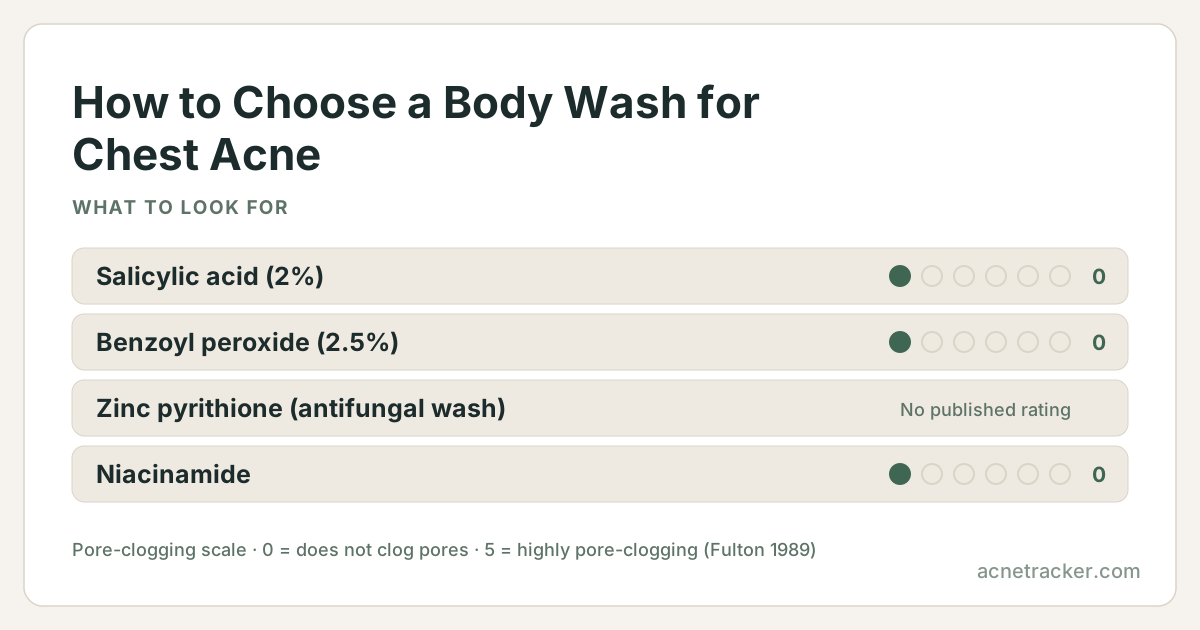
Ingredients to look for
| Ingredient | Why it matters |
|---|---|
| Salicylic acid (2%) | For true chest acne and clogged pores; oil-soluble, so it works inside the follicle even in short shower contact and suits the thinner chest skin at a moderate strength. |
| Benzoyl peroxide (2.5%) | For inflamed, bacterial chest spots; use the lower strength here because chest skin is more delicate than the back, and mind the fabric-bleaching. |
| Zinc pyrithione (antifungal wash) | If the bumps are itchy, uniform and worse with sweat, they may be fungal; a zinc-pyrithione wash targets Malassezia where acne actives fail. Ask a pharmacist to confirm the pattern. |
| Niacinamide | Calming and lightly sebum-balancing; a reassuring sign the formula is not built purely to strip delicate décolletage skin. |
| Glycerin | Offsets the drying of actives on the thinner chest, where over-stripping quickly shows as tightness and flaking. |
Ingredients to avoid
| Ingredient | Why it matters |
|---|---|
| Rich, oily washes on a fungal-pattern chest | Fatty ingredients can feed Malassezia; if bumps are itchy and uniform, an oily wash may worsen them regardless of any acne claim. |
| Fragrance on freshly exfoliated décolletage | The chest sees a lot of sun and is thin-skinned; fragrance on top of active washing is a frequent stinging trigger there. |
| Sitting in a sweaty sports bra or synthetic top | Not a wash ingredient, but the biggest driver of chest breakouts — trapped sweat and friction over the follicles all day. |
| Strong benzoyl peroxide at back-acne strength | The chest is thinner and more reactive than the back, so high-percentage benzoyl peroxide often over-dries it. |
How to choose
Read the pattern before the label. Classic chest acne — mixed blackheads, whiteheads and the odd inflamed spot — responds to a salicylic-acid wash, with a low-strength benzoyl-peroxide wash reserved for genuinely inflamed, pustular flares. But if your chest shows dozens of small, itchy, uniform bumps that flare after sweating and never quite behave like acne, suspect fungal folliculitis and switch to an antifungal wash such as zinc pyrithione; acne actives can even make that worse. Because chest skin is thinner than back skin, choose gentler strengths, keep fragrance out, and add glycerin or a light lotion to prevent flaking on the décolletage. As always, the wash is maintenance — clothing choices, prompt post-sweat showers and, for true acne, a leave-on treatment do more than any bottle rinsed off in seconds.
How to apply
Shower and wash the chest promptly after sweating rather than letting a damp bra or shirt sit against the skin. Apply the wash with your hands — the chest is delicate, so skip scrubs — and give an active or antifungal wash one to two minutes of contact before rinsing. Dry gently and wear a clean, breathable top. If you use a fungal-targeting wash, a short course used consistently works better than occasional use.
Frequently asked questions
How do I know if my chest acne is actually fungal?
Fungal folliculitis tends to show as many small, uniform, itchy bumps that flare with heat and sweat and do not respond to normal acne products. True acne is more varied — blackheads, whiteheads and larger inflamed spots mixed together. A pharmacist or doctor can confirm which you have.
Can a sports bra cause chest and cleavage breakouts?
Yes. A tight synthetic sports bra traps sweat and rubs the follicles, a classic setup for both acne mechanica and fungal folliculitis. Change out of it promptly, choose breathable fabric, and shower soon after exercise.
Is benzoyl peroxide too strong for chest skin?
It can be at high percentages, because the chest is thinner and more reactive than the back. If you use it, start with a 2.5% wash, keep contact brief at first, and moisturise afterwards; drop it if the skin tightens or flakes.
Why does my chest break out in summer?
Heat and sweat are the trigger. More sweat under clothing means more trapped moisture and friction over the follicles, which drives both sweat-related acne and fungal folliculitis. Prompt showers and light, breathable tops help most.
Sources & further reading
There is no single study of this exact question. The guidance here is reasoned from the ingredient profiles below, each of which carries its own references:
- Salicylic Acid2 refs
- Benzoyl Peroxide3 refs
- Niacinamide2 refs
- Glycerin3 refs
Show every reference behind this page (8)
- Salicylic acid as a peeling agent: a comprehensive review (PubMed)cited by Salicylic Acid
- FDA OTC monograph — acne drug products (salicylic acid 0.5–2%)cited by Salicylic Acid, Benzoyl Peroxide
- PubChem — Benzoyl peroxide compound summarycited by Benzoyl Peroxide
- DermNet — Benzoyl peroxidecited by Benzoyl Peroxide
- Niacinamide: mechanisms of action and its topical use in dermatology (PubMed)cited by Niacinamide
- European Commission CosIng database — Niacinamidecited by Niacinamide, Glycerin
- PubChem — Glycerol compound summarycited by Glycerin
- DermNet — Moisturiserscited by Glycerin
Medical disclaimer
Ingredients mentioned on this page
Find your personal acne triggers
Our free Acne Tracker lets you log breakouts, sleep, stress and diet, and shows you which factors correlate with your flare-ups.