How to Choose a Body Wash for Folliculitis
Folliculitis is inflammation of the hair follicles, and its cause decides the right wash. Bacterial folliculitis (often Staphylococcus) responds to antibacterial cleansing; razor-related folliculitis and ingrown hairs are irritation and mechanical problems; hot-tub folliculitis comes from Pseudomonas in poorly maintained water and usually clears on its own; and the itchy, uniform kind is often fungal, not bacterial at all. A body wash rinses off in seconds, so it is a maintenance and prevention step rather than a treatment, and matching it to the type matters more than picking the strongest formula. This page distinguishes the common causes and the ingredient profile that suits each, plus the clear signs it is time to see a doctor.
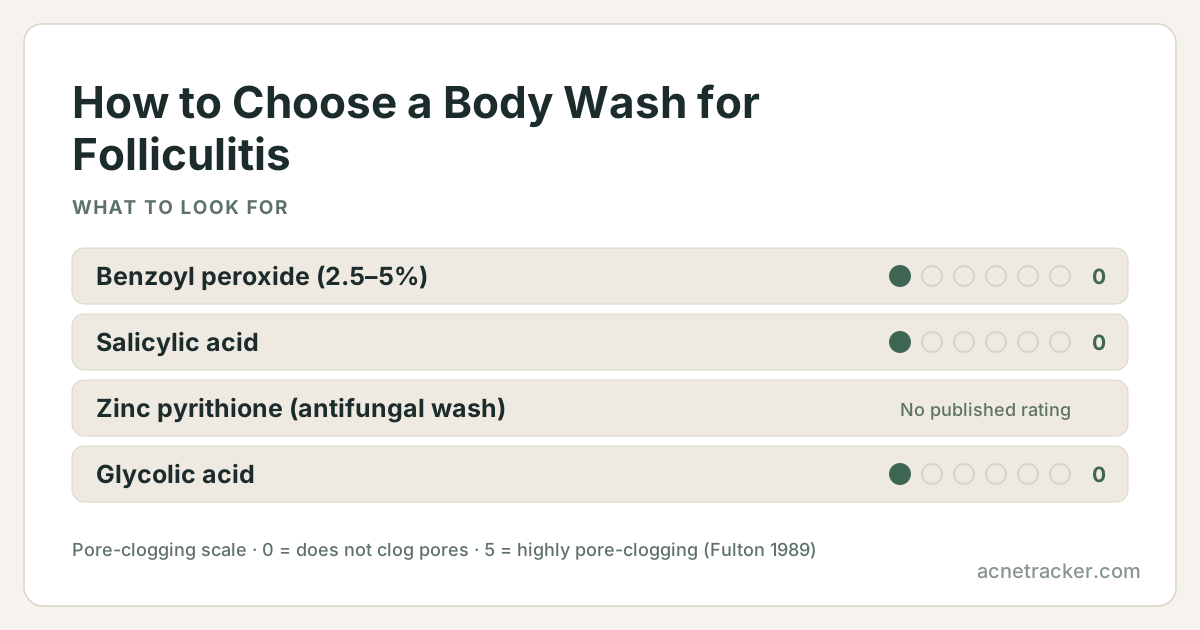
Ingredients to look for
| Ingredient | Why it matters |
|---|---|
| Benzoyl peroxide (2.5–5%) | Antibacterial, so it suits ordinary bacterial folliculitis and helps prevent recurrence; give it contact time and mind fabric-bleaching. |
| Salicylic acid | Keeps the follicle openings clear, which helps both bacterial folliculitis and the razor-related, ingrown-hair type. |
| Zinc pyrithione (antifungal wash) | If the bumps are itchy and uniform, the cause may be fungal (Malassezia) folliculitis, which needs an antifungal, not an antibacterial. Ask a pharmacist. |
| Glycolic acid | Exfoliates around the follicle to reduce ingrown hairs, a common trigger of razor-related folliculitis on legs, beard area and bikini line. |
| Niacinamide | Calms the surrounding redness and supports the barrier on skin irritated by shaving or repeated flare-ups. |
Ingredients to avoid
| Ingredient | Why it matters |
|---|---|
| Shaving over active, inflamed folliculitis | Not a wash ingredient, but it spreads bacteria and worsens irritation; pause or change your shaving method during a flare. |
| Poorly maintained hot tubs and shared warm water | Pseudomonas hot-tub folliculitis comes from the water, so no wash prevents it if the tub itself is contaminated. |
| Oily, occlusive washes on itchy uniform bumps | If the folliculitis is fungal, fatty ingredients can feed the yeast and make it worse. |
| Aggressive scrubbing of inflamed follicles | Friction spreads bacteria across the area and can turn simple folliculitis into a broader, angrier flare. |
How to choose
Identify the type before the formula. Ordinary bacterial folliculitis — tender, sometimes pus-topped spots around follicles — suits an antibacterial benzoyl-peroxide wash, often with salicylic acid to keep the openings clear. Razor-related folliculitis and ingrown hairs on the legs, beard or bikini line respond better to a gentle exfoliating wash with glycolic or salicylic acid plus a change in shaving technique. Itchy, uniform bumps that ignore antibacterials are likely fungal and need an antifungal wash such as zinc pyrithione. Hot-tub folliculitis usually resolves by itself within days and points you to the water, not the wash. Across all types, keep the base gentle, avoid scrubbing, and treat the wash as prevention. See a doctor if it is painful, spreading, feverish, or not improving within a week or two, because some cases need prescription antibiotics or antifungals.
How to apply
Match use to the cause: for bacterial folliculitis, lather the antibacterial wash over the area with a minute or two of contact, then rinse, once daily during a flare. For razor-related types, exfoliate gently with the wash before shaving, shave with the grain using a clean blade, and rinse. For suspected fungal folliculitis, use an antifungal wash as directed. Always pat dry with a clean towel and avoid re-shaving inflamed skin.
Frequently asked questions
How do I know what type of folliculitis I have?
The pattern hints at it: tender, pus-topped spots suggest bacterial; bumps around shaved areas suggest razor-related or ingrown hairs; itchy uniform bumps suggest fungal; and a rash a day or two after a hot tub suggests Pseudomonas. A doctor or pharmacist can confirm, which matters because the treatments differ.
Does benzoyl peroxide body wash help folliculitis?
For bacterial folliculitis, yes — it is antibacterial and reduces the bacteria in the follicles, and it helps prevent recurrence with regular use. It does not help fungal folliculitis, which needs an antifungal wash instead, so identifying the cause first matters.
Can shaving cause folliculitis?
Yes. Shaving irritates the follicles and can trap hairs as they regrow, causing razor bumps and ingrown-hair folliculitis. Exfoliating gently, using a clean sharp blade, shaving with the grain, and pausing during a flare all reduce it.
When should I see a doctor about folliculitis?
See a doctor if it is painful, spreading, recurrent, accompanied by fever, or not improving within a week or two of careful home care. Some cases need prescription antibiotics or antifungals, and persistent folliculitis should be assessed rather than repeatedly self-treated.
Sources & further reading
There is no single study of this exact question. The guidance here is reasoned from the ingredient profiles below, each of which carries its own references:
- Benzoyl Peroxide3 refs
- Salicylic Acid2 refs
- Glycolic Acid3 refs
- Niacinamide2 refs
Show every reference behind this page (8)
- PubChem — Benzoyl peroxide compound summarycited by Benzoyl Peroxide
- DermNet — Benzoyl peroxidecited by Benzoyl Peroxide
- FDA — Drugs (OTC acne products)cited by Benzoyl Peroxide, Salicylic Acid
- Salicylic acid as a peeling agent: a comprehensive review (PubMed)cited by Salicylic Acid
- PubChem — Glycolic acid compound summarycited by Glycolic Acid
- DermNet — Alpha hydroxy acidscited by Glycolic Acid
- European Commission CosIng database — Glycolic Acidcited by Glycolic Acid, Niacinamide
- Niacinamide: mechanisms of action and its topical use in dermatology (PubMed)cited by Niacinamide
Medical disclaimer
Ingredients mentioned on this page
Find your personal acne triggers
Our free Acne Tracker lets you log breakouts, sleep, stress and diet, and shows you which factors correlate with your flare-ups.