How to Choose a Sunscreen for Rosacea
Sun is one of the most common triggers of a rosacea flare, which makes daily sunscreen a cornerstone of managing the condition — and also a challenge, because rosacea-prone skin is easily stung and reddened by the wrong formula. The aim is a gentle, non-irritating sunscreen that shields from UV and heat-driven flushing without adding to the problem. This guide describes the mild mineral filters, soothing ingredients and calm bases best suited to reactive, redness-prone skin, and the fragrances and harsh additives most likely to provoke a flare. It is general skincare guidance, not medical advice; a dermatologist can tailor a rosacea plan to you.
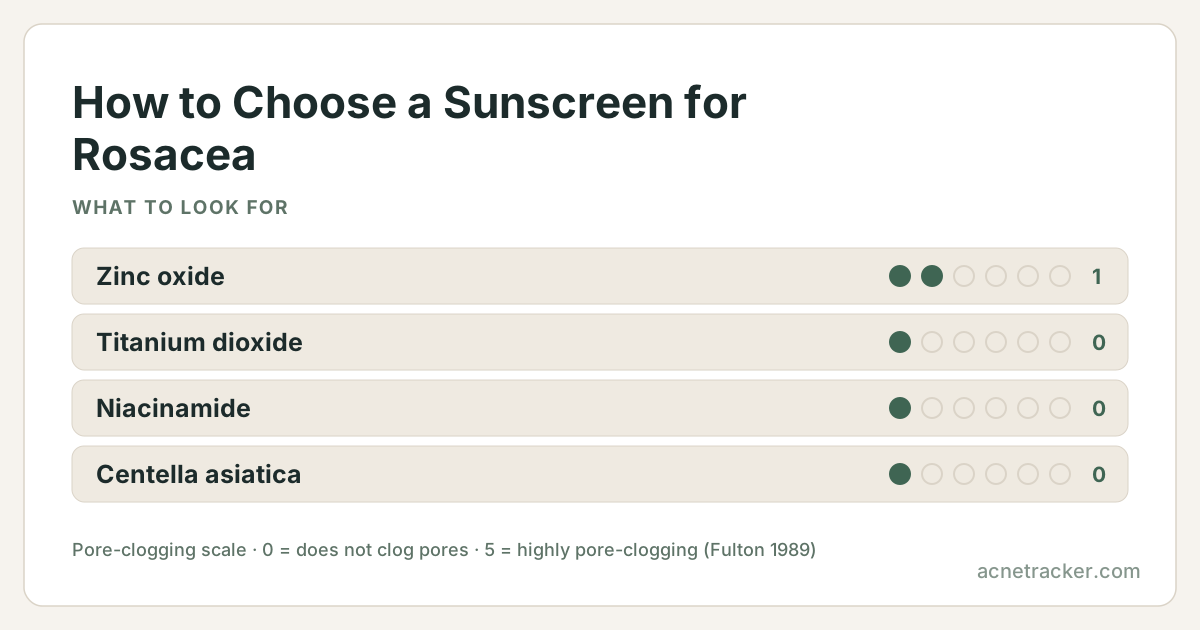
Ingredients to look for
| Ingredient | Why it matters |
|---|---|
| Zinc oxide | A gentle mineral filter that sits on the surface and rarely stings, generally the safest choice for rosacea-prone skin. |
| Titanium dioxide | The second mild mineral filter, often combined with zinc oxide for broad-spectrum cover without harsh chemistry. |
| Niacinamide | Supports the barrier and can help reduce the visible redness and reactivity associated with rosacea over time. |
| Centella asiatica | A soothing botanical widely used to calm redness and irritation on reactive, flush-prone skin. |
| A green-tinted or lightly tinted base | A green or neutral tint visually neutralises redness and can help a mineral formula avoid a white cast. |
Ingredients to avoid
| Ingredient | Why it matters |
|---|---|
| Added fragrance and essential oils | Among the most frequent rosacea triggers; a fragrance-free formula removes a major cause of stinging and flushing. |
| High denatured alcohol content | Can sting, dry and irritate rosacea-prone skin, aggravating the barrier weakness that underlies the flushing. |
| Menthol, camphor and other 'cooling' agents | They feel refreshing but frequently irritate reactive skin and can set off a rosacea flare. |
| Rough, heat-generating application and abrasive formulas | Friction and heat are triggers in themselves, so gentle products and gentle application both matter. |
How to choose
Lead with mineral filters (zinc oxide, titanium dioxide), since they sit on the surface and are the least likely to sting rosacea-prone skin. Make 'fragrance-free' non-negotiable, and avoid cooling agents like menthol and camphor that feel pleasant but often trigger flushing. Look for soothing, barrier-supporting ingredients such as niacinamide and centella, and keep the ingredient list short to limit potential triggers. A lightly tinted or green-tinted mineral sunscreen serves double duty: it dodges the white cast and visually cancels redness. SPF 30 broad-spectrum is the floor here, and worth reaching even if the gentlest formula you tolerate is not the most elegant — sun is one of the most common flare triggers, so the number is not the part to compromise on. Because heat and friction are triggers too, favour a formula that spreads easily without vigorous rubbing. As always with reactive skin, patch-test before daily use, and introduce only one new product at a time so you can identify anything that flares you.
How to apply
Apply gently with light, pressing motions rather than rubbing, since friction and heat can trigger flushing on their own. Use a full two fingers' length for even cover, and let a mineral formula set for a minute so it does not feel draggy. A tinted mineral sunscreen can double as light coverage for redness, reducing the need for extra makeup. Reapply every two hours outdoors, ideally staying in shade during peak sun and pairing SPF with a wide-brimmed hat, since physical shade eases the heat load that provokes rosacea. Stop any product that stings persistently.
Frequently asked questions
Why does sunscreen matter so much for rosacea?
Sun exposure is one of the most common triggers of rosacea flares. Daily broad-spectrum protection helps reduce flushing and redness episodes, making SPF a core part of managing the condition alongside any treatment.
Is mineral sunscreen best for rosacea?
Usually yes. Mineral filters like zinc oxide and titanium dioxide sit on the surface and rarely sting, so they tend to suit rosacea-prone skin better than older chemical filters. A tinted mineral formula also helps mask redness.
What sunscreen ingredients trigger rosacea?
Common triggers include added fragrance, essential oils, high alcohol content and cooling agents like menthol and camphor. Choose a short, fragrance-free formula and patch-test it before daily use.
Can a tinted sunscreen help with rosacea redness?
Yes. A green or neutral tint visually neutralises redness while the mineral filters protect, so a tinted sunscreen can reduce the need for separate colour-correcting makeup on flush-prone skin.
Sources & further reading
There is no single study of this exact question. The guidance here is reasoned from the ingredient profiles below, each of which carries its own references:
- Zinc Oxide2 refs
- Titanium Dioxide3 refs
- Niacinamide2 refs
- Centella Asiatica2 refs
Show every reference behind this page (7)
- FDA — Sunscreen: How to Read a Label and drug factscited by Zinc Oxide
- PubChem — Zinc Oxide compound summarycited by Zinc Oxide
- PubChem — Titanium dioxide compound summarycited by Titanium Dioxide
- European Commission CosIng database — Titanium Dioxide (CI 77891)cited by Titanium Dioxide, Niacinamide, Centella Asiatica
- DermNet — Sunscreencited by Titanium Dioxide
- Niacinamide: mechanisms of action and its topical use in dermatology (PubMed)cited by Niacinamide
- Bylka W et al. Centella asiatica in dermatology: an overview. Phytother Res 2014 Aug (PubMed)cited by Centella Asiatica
Medical disclaimer
Ingredients mentioned on this page
Find your personal acne triggers
Our free Acne Tracker lets you log breakouts, sleep, stress and diet, and shows you which factors correlate with your flare-ups.