How to Choose a Sunscreen for Acne-Prone Skin
Acne-prone skin needs sunscreen more than most, not less. Post-inflammatory marks left by breakouts darken and linger far longer with UV exposure, and many acne actives — retinoids, benzoyl peroxide, exfoliating acids — make skin more sun-sensitive. Yet the fear of clogging pores keeps a lot of people skipping SPF. The answer is a light, non-comedogenic formula that protects without adding to congestion. This guide describes the bases, filters and supporting ingredients that suit breakout-prone skin, and the heavy or pore-clogging additives to leave on the shelf, so daily protection supports your acne routine instead of fighting it.
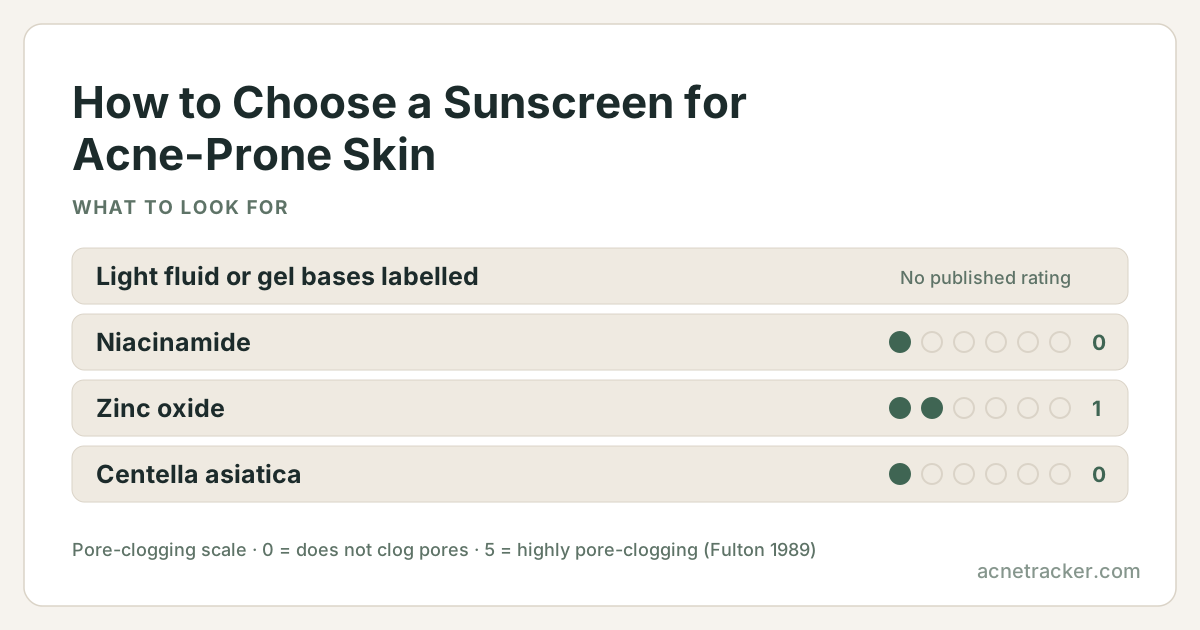
Ingredients to look for
| Ingredient | Why it matters |
|---|---|
| Light fluid or gel bases labelled non-comedogenic | A thin, quick-absorbing formula is least likely to sit in pores and contribute to congestion on breakout-prone skin. |
| Niacinamide | Calms inflammation, supports the barrier and helps regulate oil, all useful alongside acne treatment under daily SPF. |
| Zinc oxide | A mineral filter with mild soothing properties that many find gentle on inflamed, acne-prone skin. |
| Centella asiatica | A soothing botanical that helps settle the redness and irritation that often accompany active breakouts. |
| A short ingredient list free of heavy oils and waxes | Fewer rich emollients means fewer potential pore-cloggers, which matters most on skin already prone to blocked pores. |
Ingredients to avoid
| Ingredient | Why it matters |
|---|---|
| Coconut oil, isopropyl myristate and myristyl myristate | Well-documented pore-clogging ingredients that can trigger breakouts on acne-prone skin regardless of the SPF. |
| Thick, occlusive water-resistant beach formulas | Built to stay put in water, they form a heavy film that traps oil and debris against congestion-prone skin. |
| Cocoa butter and other rich butters high in the list | Highly emollient and occlusive, they add to the pore-clogging load rather than helping breakout-prone skin. |
| Assuming 'oil-free' means acne-safe | Oil-free formulas can still contain comedogenic esters and silicones; the full ingredient list is the real check. |
How to choose
Look for a light texture — fluid, gel or thin lotion — described as non-comedogenic or 'won't clog pores', while treating those as helpful signals rather than guarantees. Scan the ingredient list for the usual pore-clogging suspects (coconut oil, isopropyl myristate, cocoa butter) and prefer formulas that keep rich oils and waxes low. Soothing supporting ingredients like niacinamide and centella are a bonus on inflamed skin. If you use retinoids or exfoliating acids, a fragrance-free formula reduces the chance of stinging on sensitised skin. Aim for at least SPF 30, broad-spectrum, because sun exposure is the main driver of the dark marks acne leaves behind. Both mineral and modern chemical filters can suit acne-prone skin; the base and the absence of comedogenic ingredients matter far more than the filter category.
How to apply
Apply sunscreen every morning after your treatment products have absorbed, using a full two fingers' length so protection is not undercut by under-application. Let each layer settle before the next to avoid pilling over actives. Reapply every two hours outdoors; a light fluid or a powder SPF keeps this manageable without piling product onto congested areas. Do not skip SPF on days you use acid or retinoid treatments — those are exactly the days your skin is most vulnerable to marks and irritation from the sun.
Frequently asked questions
Does sunscreen cause acne?
Sunscreen does not cause acne by itself. Breakouts come from specific comedogenic ingredients in some formulas. Choose a light, non-comedogenic base without heavy oils and daily SPF should not add to congestion.
Why is sunscreen important if I have acne marks?
UV exposure darkens post-inflammatory marks and makes them last far longer. Daily broad-spectrum sunscreen is one of the most effective ways to help those marks fade faster and prevent new ones from deepening.
Can I wear sunscreen over benzoyl peroxide or a retinoid?
Yes, and you should. These actives increase sun sensitivity, so daily SPF is essential. Let the treatment absorb first, then apply a gentle, fragrance-free sunscreen on top.
Is mineral sunscreen better for acne-prone skin?
Not necessarily. Mineral zinc oxide can be soothing, but many modern chemical fluids are lighter and non-comedogenic. The base texture and ingredient list matter more than whether the filter is mineral or chemical.
Sources & further reading
There is no single study of this exact question. The guidance here is reasoned from the ingredient profiles below, each of which carries its own references:
- Niacinamide2 refs
- Zinc Oxide2 refs
- Centella Asiatica2 refs
Show every reference behind this page (5)
- Niacinamide: mechanisms of action and its topical use in dermatology (PubMed)cited by Niacinamide
- European Commission CosIng database — Niacinamidecited by Niacinamide, Centella Asiatica
- FDA — Sunscreen: How to Read a Label and drug factscited by Zinc Oxide
- PubChem — Zinc Oxide compound summarycited by Zinc Oxide
- Bylka W et al. Centella asiatica in dermatology: an overview. Phytother Res 2014 Aug (PubMed)cited by Centella Asiatica
Medical disclaimer
Ingredients mentioned on this page
Find your personal acne triggers
Our free Acne Tracker lets you log breakouts, sleep, stress and diet, and shows you which factors correlate with your flare-ups.