How to Choose a Micellar Water for Oily Skin
Oily skin often reaches for the strongest cleanser on the shelf, then wonders why the shine comes back harder by midday. That rebound is the barrier overproducing oil after being stripped. A well-chosen micellar water offers a gentler route: it lifts surface sebum and makeup without the high-pH scrubbing that provokes the rebound. It is still a first-step cleanser rather than a mattifying treatment, and it will not shrink pores or stop oil at the source. This page sets out the light, non-greasy profile that suits oily skin, the additives that backfire, and how to use micellar water so your face reads balanced rather than tight or slick.
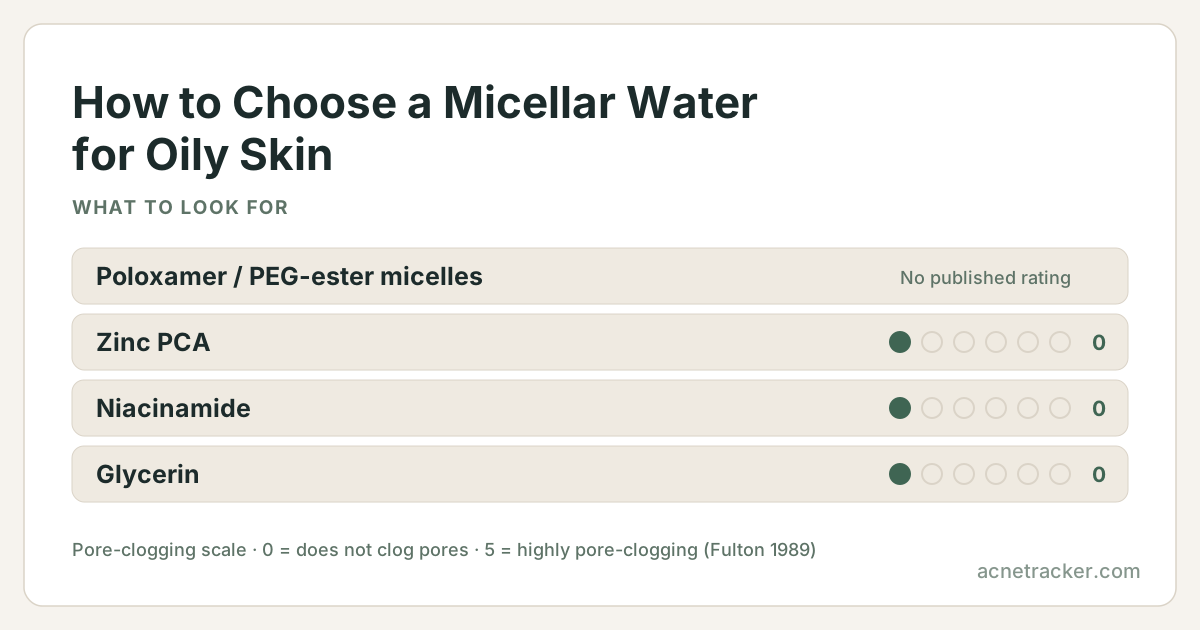
Ingredients to look for
| Ingredient | Why it matters |
|---|---|
| Poloxamer / PEG-ester micelles | They dissolve excess surface oil efficiently at low strength, cleaning shine without the barrier damage that drives more oil. |
| Zinc PCA | A mild sebum-modulating and soothing ingredient that suits shiny, congestion-prone skin better than aggressive degreasers. |
| Niacinamide | A bonus rather than a treatment in a wipe-off product, but a sign the formula was built to respect rather than strip oily skin. |
| Glycerin | Prevents the clean from tipping into dehydration, which is the hidden driver behind reactive over-oiliness. |
| Alcohol-free, watery base | A thin non-oily texture rinses clean and leaves no film, unlike milky or balm formats meant for dry skin. |
Ingredients to avoid
| Ingredient | Why it matters |
|---|---|
| High denatured alcohol | The instant matte is a trick — it dries the surface, then the skin answers with a rebound of oil and a stinging barrier. |
| Heavy plant oils and butters | Rich emollients left on oily skin without a rinse add greasiness and can worsen congestion. |
| Strong sulfate surfactants | They over-clean, strip protective lipids and start the strip-and-rebound cycle that keeps oily skin shiny. |
| Fragrance and cooling agents | They add irritation risk without controlling oil, and irritation itself can nudge sebaceous glands to overproduce. |
How to choose
Match texture to skin type first: oily skin does best with a thin, watery micellar water, not a milky or biphasic oil-topped one that leaves emollient behind. Then read the list. You want a compact surfactant-plus-humectant base, ideally with a soothing sebum-friendly extra like zinc PCA or niacinamide, and no denatured alcohol near the top — the biggest trap for oily skin, because it promises mattifying and delivers rebound shine. Ignore 'oil-control', 'purifying' and 'mattifying' claims, which have no regulated meaning; the ingredient list tells the real story. A good micellar water for oily skin leaves the face clean and comfortable, not squeaky and tight. If your skin feels stripped or looks shinier an hour after using it, the formula is too aggressive whatever the front label says. Because oily skin still needs a full clean before bed, plan to follow the wipe with a gentle rinse-off wash on days you wear sunscreen or makeup.
How to apply
Saturate a pad and press it over the oiliest zones — forehead, nose and chin — before wiping, so the micelles have time to bind the sebum. Wipe once in one direction and switch to a clean pad if needed. Resist the urge to scrub harder for a matte finish; friction irritates and provokes more oil. Because leaving surfactant on the skin can feel tacky, a quick water rinse after the wipe suits many oily-skinned users, then finish with a light gel moisturiser — skipping moisturiser only makes oily skin compensate with more shine.
Frequently asked questions
Is micellar water good for oily skin?
Yes, if you choose a light alcohol-free formula. It lifts surface oil and makeup without the high-pH scrubbing that strips the barrier and triggers rebound shine. It cleans the surface but does not reduce oil at the source.
Will micellar water make oily skin greasy?
A watery formula will not, but a milky or oil-topped one can leave residue. Pick a thin, non-oily texture and, if the skin feels tacky afterwards, rinse with water.
Does micellar water control oil or shrink pores?
No. It removes surface sebum but does nothing to sebum production or pore size. For oil control you need leave-on ingredients like niacinamide or a BHA, used consistently over weeks.
Should oily skin rinse after using micellar water?
Rinsing is optional but often preferable for oily skin, because it clears any tacky surfactant residue. On sunscreen or makeup days, follow with a gentle rinse-off cleanser rather than relying on the wipe alone.
Why does my oily skin get shinier after cleansing?
That rebound usually means the cleanser was too stripping, often from denatured alcohol or a harsh sulfate. A gentler micellar water plus a light moisturiser breaks the strip-and-rebound cycle.
Sources & further reading
There is no single study of this exact question. The guidance here is reasoned from the ingredient profiles below, each of which carries its own references:
- Zinc PCA3 refs
- Niacinamide2 refs
- Glycerin3 refs
Show every reference behind this page (6)
- PubChem — Zinc PCA (zinc pyrrolidone carboxylate)cited by Zinc PCA
- European Commission CosIng database — Zinc PCAcited by Zinc PCA, Niacinamide, Glycerin
- Zinc l-pyrrolidone carboxylate inhibits the UVA-induced production of matrix metalloproteinase-1 by in vitro cultured skin fibroblasts, whereas it enhances their collagen synthesis (PubMed)cited by Zinc PCA
- Niacinamide: mechanisms of action and its topical use in dermatology (PubMed)cited by Niacinamide
- PubChem — Glycerol compound summarycited by Glycerin
- DermNet — Moisturiserscited by Glycerin
Medical disclaimer
Ingredients mentioned on this page
Find your personal acne triggers
Our free Acne Tracker lets you log breakouts, sleep, stress and diet, and shows you which factors correlate with your flare-ups.