How to Choose a Chemical Exfoliant for Large Pores
Pore size is largely genetic, and no product truly shrinks a pore — but pores look far larger when they are stretched by trapped sebum and dead cells, and exfoliation addresses exactly that. Clearing the plug lets the pore contract closer to its natural size, so the honest goal here is 'less visible', not 'gone'. This guide explains which acids keep pores clear, why oil-soluble options have an edge, and which popular treatments overpromise. We review ingredient profiles rather than brands, and we keep the expectations realistic, because the biggest disappointment with pore products comes from marketing that promises the impossible.
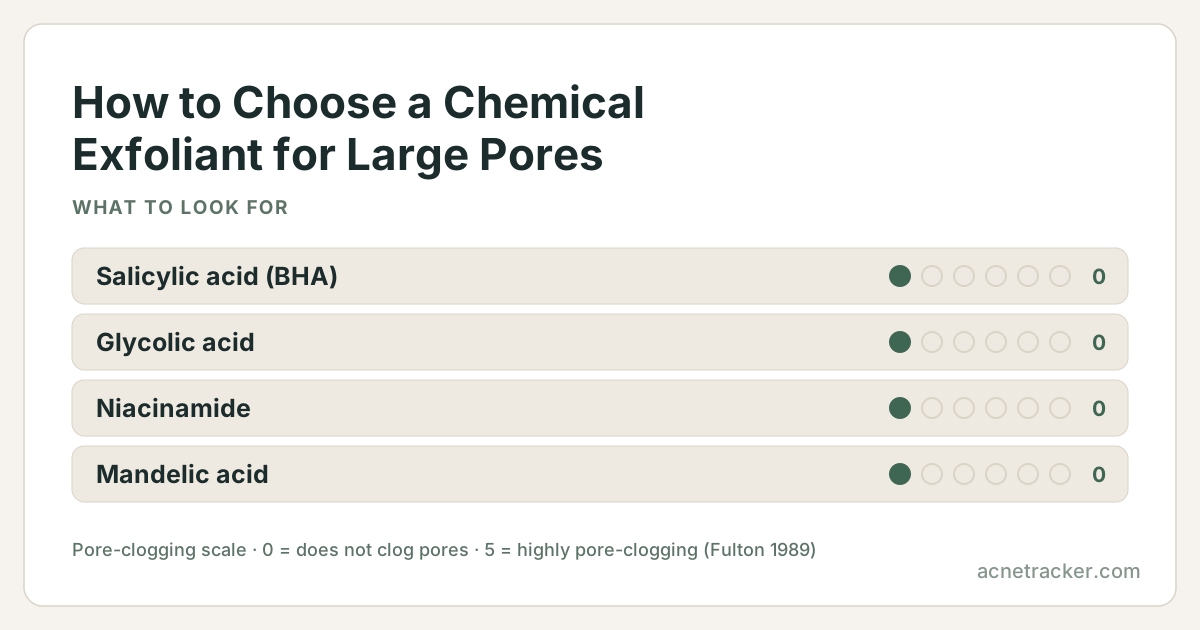
Ingredients to look for
| Ingredient | Why it matters |
|---|---|
| Salicylic acid (BHA) | Oil-soluble, so it clears the sebum and debris stretching the pore from within — the most effective acid for making enlarged pores look smaller. |
| Glycolic acid | Refines surface texture and evens the skin around pores, which reduces how prominent they appear under light. |
| Niacinamide | A supporting ingredient shown to improve the look of pore size over time by regulating sebum and supporting skin structure. |
| Mandelic acid | A gentle AHA that keeps pores clear and refines texture, suiting people who find salicylic acid too drying for regular use. |
Ingredients to avoid
| Ingredient | Why it matters |
|---|---|
| Products promising to 'shrink' or 'close' pores | Pores have no muscle and cannot close; claims of permanent shrinking are marketing, and chasing them wastes money and often over-treats skin. |
| Frequent pore strips and squeezing | They clear the surface briefly but stretch and irritate the pore wall, which can make pores look larger over time. |
| Harsh scrubs and stiff brushes | Physical abrasion inflames the skin around pores, making them more noticeable rather than less. |
| Heavy, comedogenic oils in the routine | Rich oils can refill and re-stretch pores you have just worked to clear, undoing the benefit of exfoliation. |
How to choose
Prioritise oil-soluble exfoliation. Salicylic acid is the strongest choice because enlarged pores usually look large due to trapped sebum, and only a lipophilic acid clears that plug from inside. Pair or alternate it with a surface AHA like glycolic or mandelic acid to refine the texture around pores so they catch less light. Niacinamide is a useful long-term support that gradually improves pore appearance. Look for leave-on formats and stated percentages rather than vague 'pore-perfecting' language. Set realistic expectations: consistent use makes pores look smaller and cleaner, but nothing changes their fundamental size. Choose a routine you can sustain for months, because pore appearance improves gradually and reverts if congestion is allowed to return. Avoid anything promising an overnight or permanent fix.
How to apply
Use a salicylic acid leave-on in the evening on clean skin, focusing on the areas where pores look largest, typically the nose and cheeks. Start two or three evenings a week, building slowly, and add or alternate a surface AHA if texture is also a concern. Follow with a light, non-comedogenic moisturizer, and use niacinamide as ongoing support. Avoid squeezing, strips and scrubs. Acids raise sun sensitivity for as long as you keep using them, so pair the evening acid with broad-spectrum SPF the next morning as a fixed pairing rather than a seasonal one. Expect a gradual improvement in how pores look over several weeks of steady use.
Frequently asked questions
Can a chemical exfoliant shrink my pores?
Not literally — pore size is mostly genetic and pores have no muscle to close. What exfoliation does is clear the trapped sebum and dead cells that stretch pores, so they contract toward their natural size and look noticeably smaller and cleaner.
Why is salicylic acid good for large pores?
Because enlarged pores usually look big due to a plug of sebum inside them, and salicylic acid is oil-soluble, so it dissolves into that plug and clears the pore from within. Water-soluble acids only refine the surrounding surface.
Do pore strips help with large pores?
Only briefly. They pull debris from the surface but stretch and irritate the pore wall, which can make pores look larger with repeated use. Consistent chemical exfoliation is a gentler, more lasting approach.
How long before my pores look smaller?
Usually a few weeks of consistent use before pores look clearer and less prominent. The improvement is gradual and depends on keeping congestion away, so a routine you can maintain matters more than any single strong treatment.
Sources & further reading
There is no single study of this exact question. The guidance here is reasoned from the ingredient profiles below, each of which carries its own references:
- Salicylic Acid2 refs
- Glycolic Acid3 refs
- Niacinamide2 refs
- Mandelic Acid2 refs
Show every reference behind this page (7)
- Salicylic acid as a peeling agent: a comprehensive review (PubMed)cited by Salicylic Acid
- FDA OTC monograph — acne drug products (salicylic acid 0.5–2%)cited by Salicylic Acid
- PubChem — Glycolic acid compound summarycited by Glycolic Acid
- DermNet — Alpha hydroxy acidscited by Glycolic Acid, Mandelic Acid
- European Commission CosIng database — Glycolic Acidcited by Glycolic Acid, Niacinamide
- Niacinamide: mechanisms of action and its topical use in dermatology (PubMed)cited by Niacinamide
- Mandelic acid — PubChem compound summarycited by Mandelic Acid
Medical disclaimer
Ingredients mentioned on this page
Find your personal acne triggers
Our free Acne Tracker lets you log breakouts, sleep, stress and diet, and shows you which factors correlate with your flare-ups.