Cystic Acne on the Back
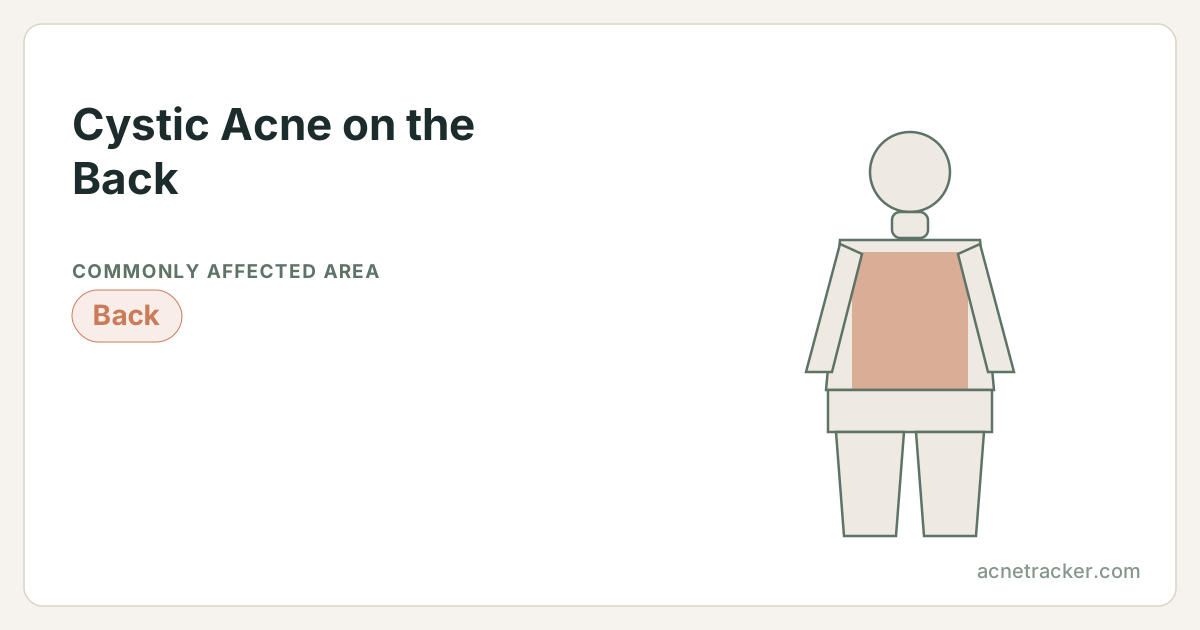
Cystic acne on the back is the most severe form of bacne: deep, painful lumps that sit under the skin, sometimes as large as a fingertip, that can take weeks to resolve and often leave scars. The back's large oil glands and constant exposure to sweat and friction make it a common site for these nodules, and their depth is exactly why over-the-counter products struggle to reach them. This is the type of back acne most likely to need a doctor's help. Understanding what drives it, and starting proper treatment early, is the single best way to limit permanent scarring.
How to recognize it
Back cysts and nodules are large, firm or fluctuant lumps deep under the skin, often red or skin-toned, tender to lean against and sometimes joined by tunnels beneath the surface. Unlike surface pustules they rarely come to a clean head, and squeezing achieves nothing but more inflammation. They cluster on the upper back and shoulders and frequently leave pitted scars or dark marks. If painful lumps recur specifically in the armpits, groin or under the breasts alongside the back, a doctor should rule out hidradenitis suppurativa, a distinct condition.
What causes it
Deep follicular blockage and inflammation
When a plugged follicle ruptures deep in the skin, the contents spill into surrounding tissue and trigger an intense immune response. On the oil-rich back this produces the large, painful cysts characteristic of severe acne.
Androgens and oil production
Higher androgen activity drives the back's large glands to overproduce sebum, feeding the deep blockages that become cysts. This is why truncal cystic acne often appears in the teens and early adulthood.
Friction and pressure
Backpacks, sports equipment, tight straps and lying on hard surfaces press on already inflamed follicles, aggravating deep lesions and helping them spread across the shoulders and upper back.
Genetic predisposition
Severe, scarring truncal acne often runs in families. If a parent had significant back or chest acne, a stronger tendency toward deep cystic lesions is more likely and usually warrants earlier medical treatment.
Ingredients with evidence
| Ingredient | Role |
|---|---|
| Benzoyl peroxide wash | A 4–5% wash reduces bacteria and inflammation across the back; useful support, but rarely enough alone for true cysts. |
| Adapalene | A retinoid that helps prevent new deep clogs over time; a maintenance layer rather than a fix for an active cyst. |
| Azelaic acid | Anti-inflammatory and helps fade the marks cysts leave, well tolerated on body skin. |
| Prescription oral therapy (doctor-led) | Oral antibiotics, hormonal treatment or isotretinoin are often needed for cystic truncal acne; a dermatologist decides, and no dosing should be self-directed. |
| Niacinamide | Calms surrounding redness and supports the barrier alongside stronger treatments. |
Building the routine
Over-the-counter care supports but rarely resolves cystic back acne, so pair it with medical treatment. Use a benzoyl-peroxide body wash a few times a week and a thin layer of adapalene at night on reachable areas to slow new clogs, always following with a light moisturiser. Never pick or squeeze deep lumps — on the back this drives infection deeper and worsens scarring. Manage friction by loosening backpack straps, changing out of sweaty clothes promptly and choosing soft, breathable fabrics. The most important step is not a product at all: book a dermatologist, because early prescription treatment is what actually prevents the scarring cystic acne is prone to leaving.
When to see a doctor
Frequently asked questions
Can I treat cystic back acne at home?
Home care can support treatment, but true cysts sit too deep for over-the-counter products to clear reliably. Washes and retinoids help around the edges; the cysts themselves usually need prescription treatment, so a dermatologist visit is the key step.
Should I pop a cyst on my back?
No. Cysts have no clean head to release and squeezing pushes infection deeper into the skin, increasing pain and the chance of a permanent scar. Leave them alone and treat the underlying acne with medical guidance instead.
Why is cystic acne worse on my back than my face?
The back has large oil glands, thicker skin and constant friction and sweat, all of which favour deep, slow-healing lesions. Cysts there are also harder to treat consistently because the area is awkward to reach.
Will cystic back acne leave scars?
It often can, because the deep inflammation damages surrounding tissue. Starting effective treatment early is the best way to reduce scarring; once scars form, they are far harder to treat than the acne that caused them.
Sources & further reading
What this page cites about the condition itself:
There is no single study of this exact question. The guidance here is reasoned from the ingredient profiles below, each of which carries its own references:
- Benzoyl Peroxide3 refs
- Adapalene3 refs
- Azelaic Acid3 refs
- Niacinamide2 refs
Show every reference behind this page (9)
- PubChem — Benzoyl peroxide compound summarycited by Benzoyl Peroxide
- DermNet — Benzoyl peroxidecited by Benzoyl Peroxide
- FDA — Drugs (OTC acne products)cited by Benzoyl Peroxide, Adapalene
- PubChem — Adapalene compound summarycited by Adapalene
- DermNet — Adapalenecited by Adapalene
- PubChem — Azelaic acid compound summarycited by Azelaic Acid
- DermNet — Azelaic acidcited by Azelaic Acid
- European Commission CosIng database — Azelaic Acidcited by Azelaic Acid, Niacinamide
- Niacinamide: mechanisms of action and its topical use in dermatology (PubMed)cited by Niacinamide
Medical disclaimer
Ingredients mentioned on this page
Find your personal acne triggers
Our free Acne Tracker lets you log breakouts, sleep, stress and diet, and shows you which factors correlate with your flare-ups.