Back Acne in Women
Back acne in women is often driven as much by hormones as by sweat and friction. Even at normal hormone levels, the back's oil glands can be sensitive to the monthly rise and fall of androgens, so many women notice their back flares in the week before a period, during pregnancy, or with changes to contraception. Layered on top are everyday triggers unique to daily life — bra straps and bands, tight tops, and hair products rinsed over the back. Understanding the hormonal element is key, because it often means back acne in women responds best to a combination of consistent skincare and, in persistent cases, treatment aimed at the hormonal cause.
How to recognize it
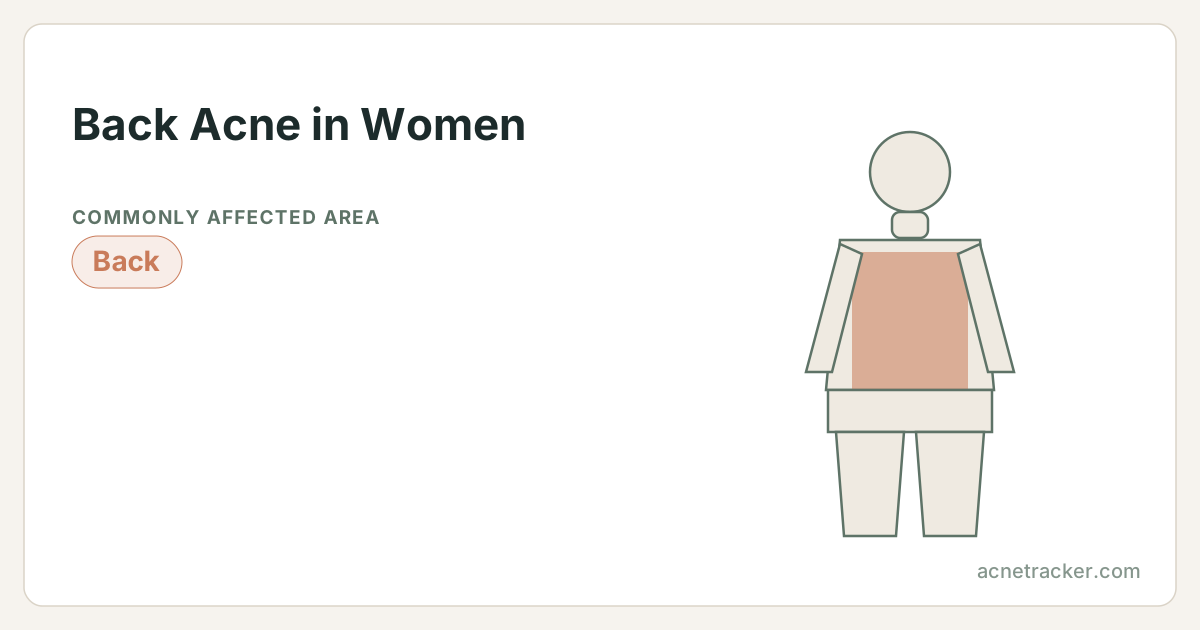
In women, back acne often mixes surface blackheads and whiteheads with deeper, tender papules that flare cyclically and cluster on the upper back and shoulders, frequently alongside hormonal breakouts on the jawline and chin. Bra straps and bands can mark out where inflamed spots concentrate. A cyclical pattern — worse before periods, easing after — is a strong sign of a hormonal driver. If bumps are small, uniform and itchy after sweating, fungal folliculitis is more likely; deep, scarring lumps point to more severe acne warranting medical care.
What causes it
Cyclical hormonal shifts
In the week before a period, relative androgen activity rises and stimulates the back's oil glands, so many women see a predictable premenstrual flare of deeper back spots each month.
Pregnancy and contraception changes
The hormonal shifts of pregnancy, or starting and stopping hormonal contraception, can trigger or worsen back acne. During pregnancy many acne treatments are off-limits, so gentler options matter.
Bras, straps and tight clothing
Bra bands and straps, and close-fitting tops, press and rub the back and trap sweat against the skin, plugging follicles along the lines where fabric sits.
PCOS and hormonal conditions
Persistent, severe back acne with irregular periods, excess hair or scalp thinning can signal polycystic ovary syndrome, which deserves medical assessment rather than skincare alone.
Ingredients with evidence
| Ingredient | Role |
|---|---|
| Salicylic acid (BHA) | A leave-on 2% body spray clears the back's clogs; a reliable, pregnancy-friendly-to-check option used a few evenings a week. |
| Benzoyl peroxide wash | A 4–5% wash reduces bacteria across the back; discuss use during pregnancy with your doctor first. |
| Azelaic acid | Anti-inflammatory and mark-fading, and often the preferred active during pregnancy when retinoids are avoided. |
| Adapalene | A retinoid for long-term control on reachable areas; not for use in pregnancy, so pause it if pregnant or trying to conceive. |
| Hormonal therapy (doctor-led) | Combined contraceptives or spironolactone can target the hormonal driver of persistent back acne; prescribed and monitored only by a doctor, and not during pregnancy. |
Building the routine
Treat consistently and adapt to your circumstances. Use a benzoyl-peroxide body wash a few times a week and a leave-on salicylic-acid spray on other evenings to keep the back clear, adding azelaic acid to calm inflammation and fade marks, and adapalene at night if you are not pregnant. Moisturise lightly. Reduce friction by loosening bra straps, choosing softer bands and breathable tops, and rinsing hair conditioner off the back last in the shower. If your back flares before periods, starting active treatment a week ahead helps. During pregnancy, drop retinoids and check other products with your doctor, leaning on gentler options like azelaic acid.
When to see a doctor
Frequently asked questions
Why do women get back acne before their period?
In the premenstrual week, relative androgen activity rises and stimulates the back's oil glands, triggering deeper breakouts. This cyclical flare is a hallmark of a hormonal driver, and starting treatment ahead of that window helps manage it.
Can my bra cause back acne?
It can contribute. Bra bands and straps press and rub the back and trap sweat against the skin, plugging follicles along the contact lines. Softer, looser, breathable options and washing bras regularly help reduce breakouts there.
How do I treat back acne during pregnancy?
See your doctor before treating, as retinoids and some other acne ingredients are avoided in pregnancy. Gentler options such as azelaic acid are often preferred, and a doctor can confirm what is suitable for you at each stage.
Could my back acne be a sign of PCOS?
Persistent, severe back acne alongside irregular periods, excess hair growth or scalp thinning can be a sign of PCOS and warrants a medical check. A doctor can assess your hormones and offer treatment aimed at the underlying cause.
Sources & further reading
What this page cites about the condition itself:
There is no single study of this exact question. The guidance here is reasoned from the ingredient profiles below, each of which carries its own references:
- Salicylic Acid2 refs
- Benzoyl Peroxide3 refs
- Azelaic Acid3 refs
- Adapalene3 refs
Show every reference behind this page (9)
- Salicylic acid as a peeling agent: a comprehensive review (PubMed)cited by Salicylic Acid
- FDA OTC monograph — acne drug products (salicylic acid 0.5–2%)cited by Salicylic Acid, Benzoyl Peroxide, Adapalene
- PubChem — Benzoyl peroxide compound summarycited by Benzoyl Peroxide
- DermNet — Benzoyl peroxidecited by Benzoyl Peroxide
- PubChem — Azelaic acid compound summarycited by Azelaic Acid
- DermNet — Azelaic acidcited by Azelaic Acid
- European Commission CosIng database — Azelaic Acidcited by Azelaic Acid
- PubChem — Adapalene compound summarycited by Adapalene
- DermNet — Adapalenecited by Adapalene
Medical disclaimer
Ingredients mentioned on this page
Find your personal acne triggers
Our free Acne Tracker lets you log breakouts, sleep, stress and diet, and shows you which factors correlate with your flare-ups.