How to Get Rid of Back Acne (Bacne)
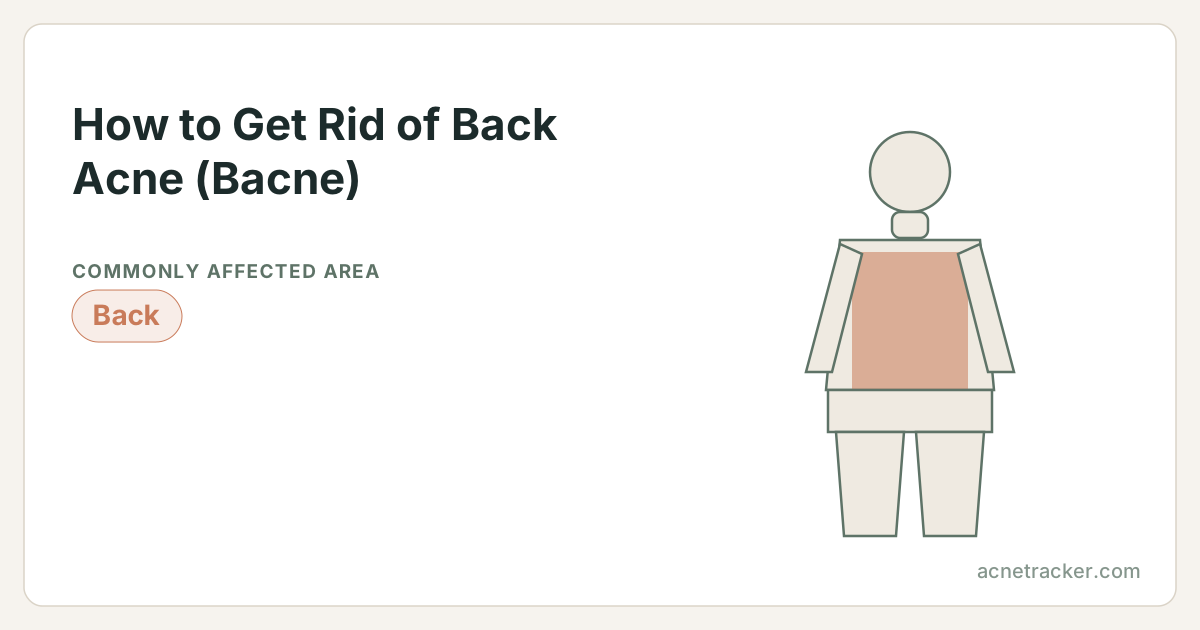
Back acne, often shortened to bacne, is one of the most common places for breakouts outside the face, and one of the most frustrating because it is hard to see and hard to reach. The skin across the back and shoulders carries some of the largest oil glands on the body, so pores clog easily and lesions tend to run bigger and deeper than the small bumps of the T-zone. Layer on sweat trapped under clothing, friction from backpacks and gym gear, and a shower routine built for hair rather than skin, and the back becomes a perfect storm. The good news is that most bacne responds well to a few targeted, body-appropriate steps done consistently.
How to recognize it
Back acne shows up as a mix of blackheads and small skin-coloured bumps across the shoulders and upper back, often alongside red inflamed spots and, in tougher cases, deeper sore lumps. It usually spreads over a wider area than facial acne and can leave lingering brown or purple marks once a spot fades. If instead you see dozens of near-identical small itchy bumps of uniform size, especially after workouts, fungal folliculitis is more likely than ordinary acne and needs a different, anti-yeast approach.
What causes it
Large, active oil glands
The back and shoulders are among the oiliest zones on the body. Bigger sebaceous glands produce more sebum, which mixes with dead skin to plug follicles and set the stage for both comedones and inflamed spots.
Trapped sweat and heat
Sweat that sits under tight or synthetic clothing keeps the skin warm, damp and occluded. This softens the follicle opening and lets debris and bacteria build up, which is why bacne often worsens in summer and after exercise.
Friction from clothes and gear
Backpack straps, sports bras, weightlifting benches and rough fabric rub the same areas repeatedly. This mechanical irritation, sometimes called acne mechanica, presses oil and dead cells into pores and inflames existing spots.
Product and hair residue
Conditioner and heavy body products rinsed down the back in the shower can leave an occlusive film. Washing hair first and the body last helps stop these residues from lingering on acne-prone skin.
Ingredients with evidence
| Ingredient | Role |
|---|---|
| Benzoyl peroxide wash | A 4–5% benzoyl-peroxide body wash is the backbone of bacne care; lather, leave on 1–2 minutes, then rinse. It kills acne bacteria and suits the large surface area of the back. |
| Salicylic acid (BHA) | Sprays and lotions with 2% salicylic acid exfoliate inside pores and reach the mid-back easily; ideal between benzoyl-peroxide days. |
| Azelaic acid | Calms inflammation and helps fade the dark marks bacne leaves behind, with good tolerance on body skin. |
| Adapalene | An over-the-counter retinoid gel that normalizes cell turnover so clogs stop forming; apply thinly to reachable areas at night. |
| Niacinamide | Supports the skin barrier and dampens redness when actives feel drying across such a large area. |
Building the routine
Keep it simple and body-appropriate. In the shower, wash hair first, then cleanse the back last with a benzoyl-peroxide wash three to four times a week, letting it sit a couple of minutes before rinsing so it actually works. On the other days use a gentle cleanser and a 2% salicylic-acid spray you can aim at the mid-back. A thin layer of adapalene at night on reachable areas prevents new clogs, and a light non-greasy moisturiser keeps the barrier intact. Just as important are the habits: shower soon after sweating, change out of damp gym clothes immediately, choose loose breathable cotton, and wash sheets and bras regularly. Give any routine eight to twelve weeks before judging it.
When to see a doctor
Frequently asked questions
How do I get rid of back acne fast?
There is no overnight fix, but a benzoyl-peroxide body wash used consistently, plus showering right after sweating and switching to loose cotton, usually shows clear improvement within a few weeks. Deeper or widespread cases need a doctor's help rather than stronger scrubbing.
Why do I get acne on my back but not my face?
The back has large, active oil glands and is constantly exposed to sweat, friction and trapped heat under clothing. Some people are simply more prone to congestion there than on the face, especially if they are active or wear backpacks and tight tops.
Is back acne caused by being dirty?
No. Back acne is driven by oil, dead skin, hormones, sweat and friction, not poor hygiene. Over-scrubbing actually inflames it. The aim is gentle, consistent cleansing with the right ingredients, not harder washing.
Does a benzoyl-peroxide wash bleach clothes?
It can. Benzoyl peroxide may lighten coloured towels, sheets and shirts it contacts before fully rinsed or dried. Rinse thoroughly and use white towels and bedding while you are treating your back to avoid bleach spots.
Sources & further reading
What this page cites about the condition itself:
There is no single study of this exact question. The guidance here is reasoned from the ingredient profiles below, each of which carries its own references:
- Benzoyl Peroxide3 refs
- Salicylic Acid2 refs
- Azelaic Acid3 refs
- Adapalene3 refs
- Niacinamide2 refs
Show every reference behind this page (10)
- PubChem — Benzoyl peroxide compound summarycited by Benzoyl Peroxide
- DermNet — Benzoyl peroxidecited by Benzoyl Peroxide
- FDA — Drugs (OTC acne products)cited by Benzoyl Peroxide, Salicylic Acid, Adapalene
- Salicylic acid as a peeling agent: a comprehensive review (PubMed)cited by Salicylic Acid
- PubChem — Azelaic acid compound summarycited by Azelaic Acid
- DermNet — Azelaic acidcited by Azelaic Acid
- European Commission CosIng database — Azelaic Acidcited by Azelaic Acid, Niacinamide
- PubChem — Adapalene compound summarycited by Adapalene
- DermNet — Adapalenecited by Adapalene
- Niacinamide: mechanisms of action and its topical use in dermatology (PubMed)cited by Niacinamide
Medical disclaimer
Ingredients mentioned on this page
Find your personal acne triggers
Our free Acne Tracker lets you log breakouts, sleep, stress and diet, and shows you which factors correlate with your flare-ups.