Chin Acne During Pregnancy
Many people notice new breakouts along the chin during pregnancy, especially in the first trimester when hormone levels swing most sharply. Rising androgens stimulate the oil glands of the lower face, and since chin glands are already the most androgen-sensitive on the face, they respond with extra sebum and clogged, sometimes tender bumps. The frustration is that several familiar acne treatments are not recommended in pregnancy, so the usual routine may need rebuilding around gentler options. The good news is that effective, pregnancy-friendly ingredients exist, and this is a phase: for most people the skin settles again after the baby arrives. Always confirm choices with your own clinician.
How to recognize it
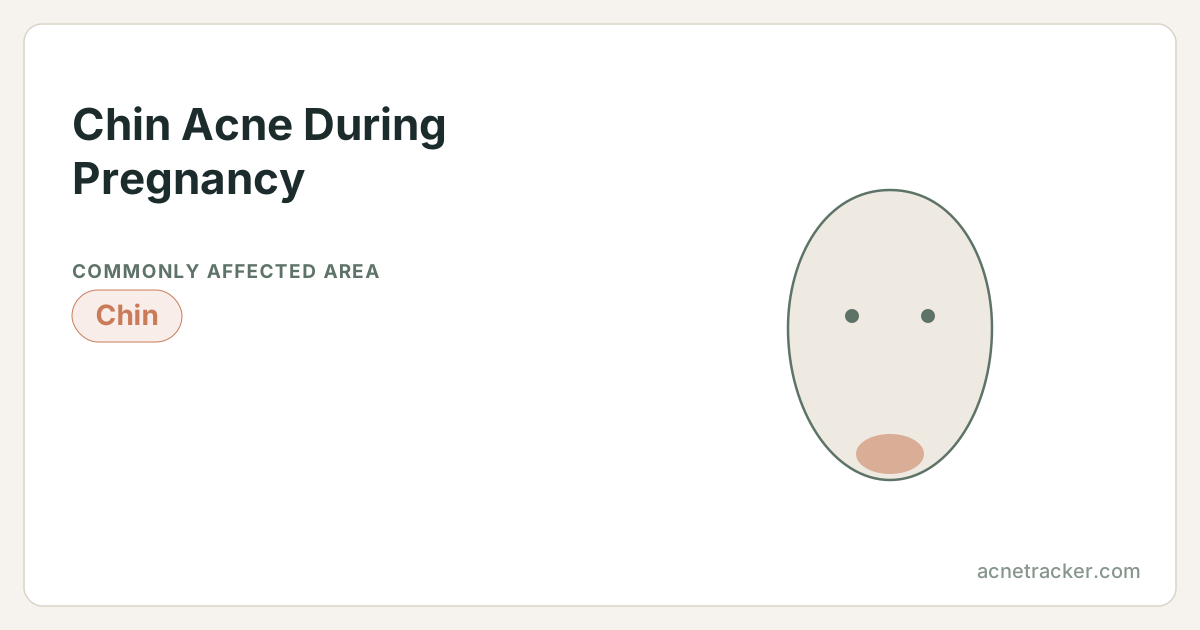
Pregnancy chin acne ranges from clusters of clogged pores and small whiteheads to deeper, tender hormonal bumps low on the chin and along the jaw, often coming and going with the trimesters. It tends to be more inflammatory in the first trimester and may ease later, though this varies. There is nothing about the spots themselves that is unique to pregnancy; the clue is the timing, appearing or worsening alongside the pregnancy. If you develop widespread very itchy bumps or any rash you are unsure about, have it checked, since some pregnancy skin conditions are not acne and need medical assessment.
What causes it
First-trimester hormone surge
Early pregnancy brings a sharp rise in hormones that stimulate oil production. The chin's androgen-sensitive glands react strongly, which is why breakouts there are common and often most noticeable in the first trimester.
Increased sebum on the lower face
Higher oil output during pregnancy gives the chin's already busy glands more sebum to plug follicles with, tipping ordinary congestion into visible spots in the lower third of the face.
Restricted treatment options
Several standard acne actives are avoided in pregnancy, so breakouts that a normal routine would have cleared can linger simply because the strongest tools are off the table for now.
Stress, sleep and nausea
Pregnancy often disrupts sleep and raises stress, and the cortisol involved adds to oil and inflammation. Changes in diet and routine around nausea can also nudge the skin, compounding the hormonal effect on the chin.
Ingredients with evidence
| Ingredient | Role |
|---|---|
| Azelaic acid | A mainstay for pregnancy acne: it clears pores, calms inflammation and fades marks, and is generally considered a safe choice. A sensible first active for the chin. |
| Niacinamide | Gentle and well tolerated, it lowers oil and soothes the redness of chin bumps while supporting the barrier, with a reassuring safety profile. |
| Glycolic acid (low %) | Used at low strength, this AHA offers mild surface exfoliation for congested chin skin and is generally viewed as acceptable in pregnancy; keep concentrations modest. |
| Panthenol | A soothing, barrier-supporting ingredient that keeps the chin comfortable and hydrated alongside the gentle actives above. |
| Allantoin | Calming and softening, it helps settle irritation on reactive pregnancy skin without adding any harsh activity. |
Building the routine
Keep pregnancy acne care simple and gentle, and clear every product with your own clinician if you are unsure. Cleanse twice a day with a mild, fragrance-free wash. Use azelaic acid on the chin as your main active, morning or evening, adding a low-strength glycolic acid a couple of nights a week if your skin tolerates it. Layer niacinamide for oil control and panthenol or allantoin to keep the barrier calm, and moisturize with a light non-comedogenic cream. Wear a mineral SPF each morning, since pregnancy can make skin more prone to pigmentation. Avoid oral and topical retinoids, high-strength salicylic acid and strong benzoyl-peroxide regimens unless a doctor has specifically approved them.
When to see a doctor
Frequently asked questions
Why am I breaking out on my chin during pregnancy?
Pregnancy hormones, especially in the first trimester, raise oil production, and the chin's glands are the most sensitive to that shift. The extra sebum clogs follicles and inflames them, so breakouts concentrate low on the face even if your skin was clear before.
Which acne ingredients are safe in pregnancy?
Azelaic acid and niacinamide are widely regarded as safe and effective choices, with low-strength glycolic acid, panthenol and allantoin as gentle supports. Because guidance can change and pregnancies differ, confirm your specific products with your own clinician.
What acne treatments should I avoid while pregnant?
Oral and topical retinoids are avoided in pregnancy, and high-strength salicylic acid and heavy benzoyl-peroxide regimens are generally discouraged unless a doctor approves them. Never take oral acne medicines or hormonal treatments without medical guidance while pregnant.
Will pregnancy acne on my chin go away after birth?
For most people it settles once hormones stabilise after delivery, though timing varies and breastfeeding can extend it. Gentle, pregnancy-safe care manages it in the meantime, and stronger options can be revisited with your doctor once appropriate.
Sources & further reading
What this page cites about the condition itself:
There is no single study of this exact question. The guidance here is reasoned from the ingredient profiles below, each of which carries its own references:
- Azelaic Acid3 refs
- Niacinamide2 refs
- Glycolic Acid3 refs
- Panthenol3 refs
- Allantoin3 refs
Show every reference behind this page (10)
- PubChem — Azelaic acid compound summarycited by Azelaic Acid
- DermNet — Azelaic acidcited by Azelaic Acid
- European Commission CosIng database — Azelaic Acidcited by Azelaic Acid, Niacinamide, Glycolic Acid, Panthenol, Allantoin
- Niacinamide: mechanisms of action and its topical use in dermatology (PubMed)cited by Niacinamide
- PubChem — Glycolic acid compound summarycited by Glycolic Acid
- DermNet — Alpha hydroxy acidscited by Glycolic Acid
- PubChem — Panthenol compound summarycited by Panthenol
- Safety Assessment of Panthenol, Pantothenic Acid, and Derivatives as Used in Cosmetics (PubMed)cited by Panthenol
- PubChem — Allantoin compound summarycited by Allantoin
- Final report of the safety assessment of allantoin and its related complexes (PubMed)cited by Allantoin
Medical disclaimer
Ingredients mentioned on this page
Find your personal acne triggers
Our free Acne Tracker lets you log breakouts, sleep, stress and diet, and shows you which factors correlate with your flare-ups.