How to Choose a Body Wash for Teen Skin
Teenage bodies produce more oil as hormones ramp up sebaceous glands, so the back, chest and shoulders often break out through the teen years even when the face is clear. The instinct — and a lot of marketing aimed at teens — pushes harsh, stripping, strongly fragranced washes, but over-washing and scrubbing backfire, drying the barrier and provoking more oil and irritation. What teen body skin usually needs is simple: gentle cleansing, an optional mild active if there is real congestion, and consistent habits. A body wash rinses off in seconds and is a maintenance step, not a cure. This page sets out a straightforward, gentle profile and realistic expectations for teen body skin.
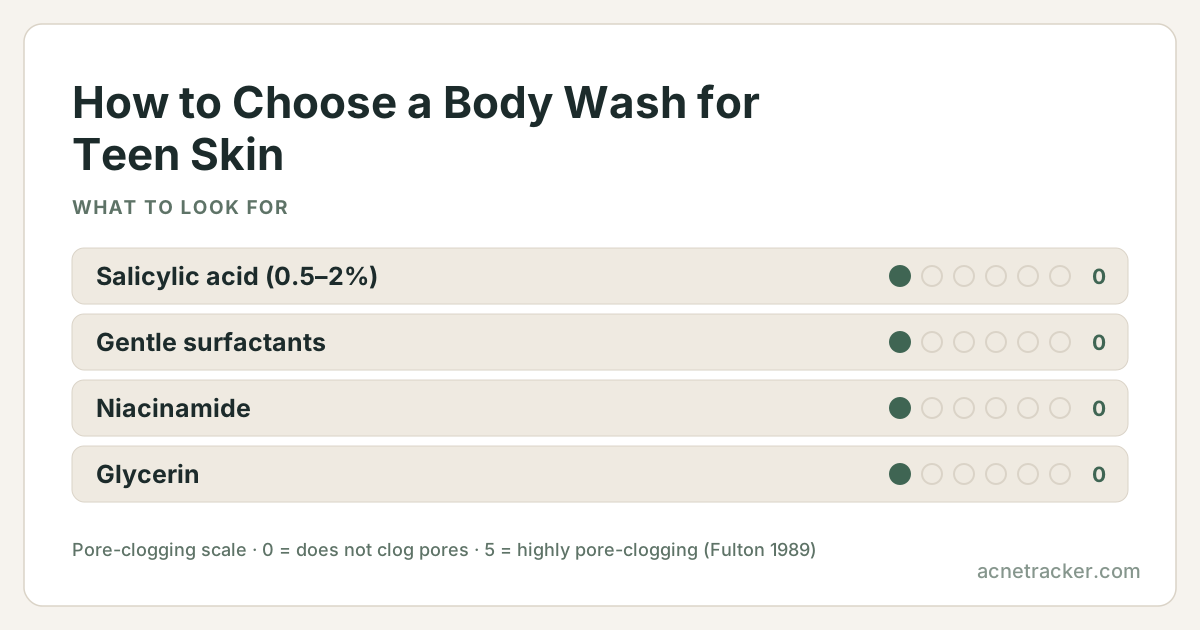
Ingredients to look for
| Ingredient | Why it matters |
|---|---|
| Salicylic acid (0.5–2%) | A well-tolerated active for teen body congestion; oil-soluble, so it helps clear the chest and back without the harshness of scrubbing. |
| Gentle surfactants (coco-glucoside, cocamidopropyl betaine, sodium cocoyl isethionate) | Clean the extra oil and sweat of teen skin at a skin-friendly pH without stripping the barrier into rebound oiliness. |
| Niacinamide | Lightly balances oil and calms skin; a sign of a formula built to be gentle rather than aggressively 'deep cleaning'. |
| Glycerin | Keeps a cleansing wash from over-drying, which matters because stripped teen skin overproduces oil to compensate. |
| Zinc PCA | A mild, soothing sebum-regulator suited to the oilier, shinier skin of the teen years. |
Ingredients to avoid
| Ingredient | Why it matters |
|---|---|
| Harsh scrubs and rough exfoliating tools | Teens are often sold gritty scrubs, but abrasion inflames breakout-prone skin and spreads bacteria without clearing congestion. |
| Strong, stripping and heavily fragranced 'deep clean' washes | They dry the barrier and trigger rebound oil and irritation; the harsh, tingly feel is not a sign of effectiveness. |
| Over-washing several times a day | More washing strips the barrier and prompts more oil, so once or twice daily plus after sport is enough. |
| Layering many strong actives at once | Piling on strong products irritates skin; one gentle active used consistently beats several harsh ones used erratically. |
How to choose
Keep it simple and gentle, and ignore the harsh, heavily marketed teen 'deep clean' washes. A mild surfactant base with glycerin cleans the extra oil of teen skin without stripping, and a low-strength salicylic-acid wash is a reasonable add-on if the chest or back is genuinely congested. Avoid scrubs and rough tools, which teens are often sold but which inflame breakout-prone skin. The tingly, stripped feeling that some washes give is not evidence they work; skin should feel clean, not tight. Set realistic expectations too: teen body breakouts are hormone-driven and usually ease over time, a wash is maintenance rather than a cure, and stubborn or severe acne is worth showing to a doctor. Consistency with a gentle routine beats intensity, and one calm active used regularly does more than several harsh products.
How to apply
Wash once or twice a day and after sport, using lukewarm water and hands rather than scrubbing tools. Give any salicylic-acid wash a short contact time before rinsing thoroughly, then dry with a clean towel. Even oily teen skin benefits from a light, non-greasy moisturiser if it feels tight. Showering promptly after PE or training, and changing out of sweaty kit, prevents more breakouts than any harsh wash. Give a routine several weeks before judging it.
Frequently asked questions
Why do teenagers break out on their body?
Rising hormones during puberty enlarge the oil glands and increase sebum, especially on the back, chest and shoulders, which makes the skin more prone to clogged follicles and breakouts. It is a normal, hormone-driven phase that usually eases over time.
Should teens use a strong body wash to clear breakouts faster?
No. Harsh, stripping washes and scrubs dry the barrier and trigger more oil and irritation, so they often make things worse. A gentle wash, optionally with a mild salicylic acid, used consistently, is more effective and kinder than an aggressive one.
Is scrubbing good for teenage body acne?
No. Scrubbing with gritty products or rough tools inflames breakout-prone skin and spreads bacteria without clearing the congestion inside the follicle. Gentle cleansing and a mild chemical active like salicylic acid work better and are less likely to cause marks.
When should a teenager see a doctor about body acne?
If body acne is severe, painful, widespread, scarring, or not improving with gentle care over a couple of months, it is worth seeing a doctor. Effective prescription treatments exist, and early treatment of significant acne helps reduce the risk of lasting scars.
Sources & further reading
There is no single study of this exact question. The guidance here is reasoned from the ingredient profiles below, each of which carries its own references:
- Salicylic Acid2 refs
- Cocamidopropyl Betaine2 refs
- Niacinamide2 refs
- Glycerin3 refs
- Zinc PCA3 refs
Show every reference behind this page (9)
- Salicylic acid as a peeling agent: a comprehensive review (PubMed)cited by Salicylic Acid
- FDA OTC monograph — acne drug products (salicylic acid 0.5–2%)cited by Salicylic Acid
- European Commission CosIng — Cocamidopropyl Betainecited by Cocamidopropyl Betaine, Niacinamide, Glycerin, Zinc PCA
- Cosmetic Ingredient Review — safety assessment of Cocamidopropyl Betainecited by Cocamidopropyl Betaine
- Niacinamide: mechanisms of action and its topical use in dermatology (PubMed)cited by Niacinamide
- PubChem — Glycerol compound summarycited by Glycerin
- DermNet — Moisturiserscited by Glycerin
- PubChem — Zinc PCA (zinc pyrrolidone carboxylate)cited by Zinc PCA
- Zinc l-pyrrolidone carboxylate inhibits the UVA-induced production of matrix metalloproteinase-1 by in vitro cultured skin fibroblasts, whereas it enhances their collagen synthesis (PubMed)cited by Zinc PCA
Medical disclaimer
Ingredients mentioned on this page
Find your personal acne triggers
Our free Acne Tracker lets you log breakouts, sleep, stress and diet, and shows you which factors correlate with your flare-ups.