Perioral Dermatitis Around the Mouth
Perioral dermatitis is one of the most misread problems around the mouth, because it looks like acne but is a different condition entirely and needs a different approach. It is a papulopustular rash, usually in someone with otherwise clear skin, that clusters around the mouth and classically leaves a narrow clear rim of untouched skin right at the lip border. The most important thing to understand is that it tends to get worse with the very things people reach for against acne: topical steroids, rich occlusive creams, and layered actives. Because of that, treating it as acne often backfires. The evidence-based route is usually to strip the routine right back and get a proper diagnosis.
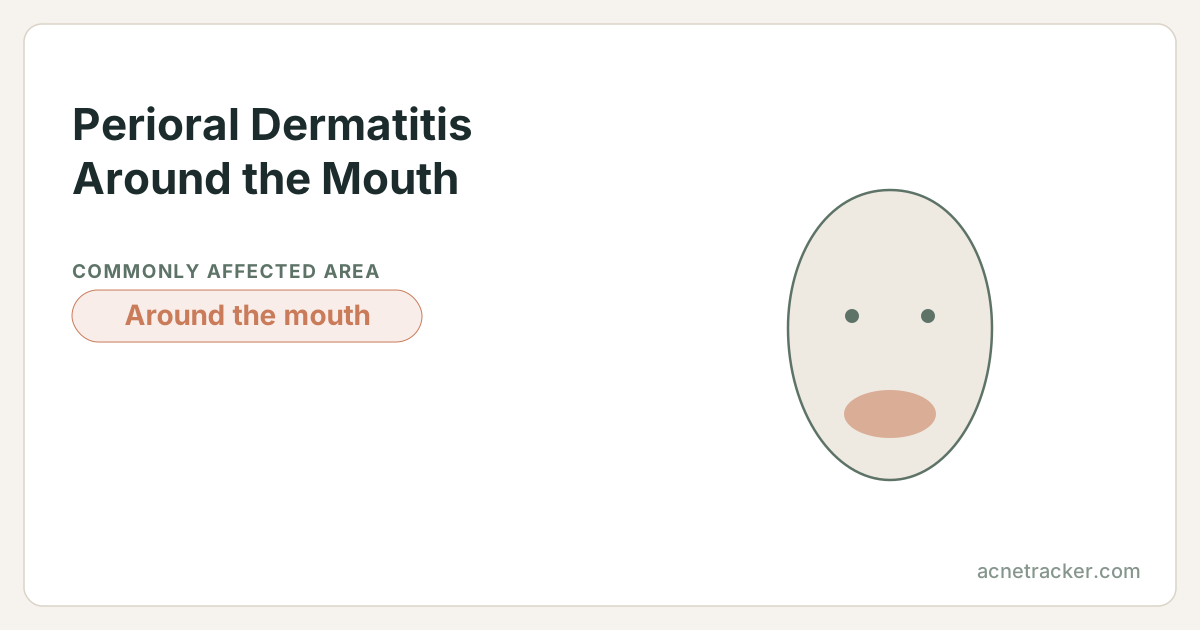
How to recognize it
Perioral dermatitis shows up as crops of small red bumps and tiny pustules, sometimes with fine flaking or a mild burning and tightness rather than the deep soreness of a cyst. The giveaway is distribution: it rings the mouth but spares a clear band of normal skin immediately around the lips, and it can spread toward the nasal folds or under the eyes. Unlike blackheads or whiteheads there are no visible comedones. If a rash keeps returning around the mouth, is scaly as much as spotty, and has flared after using a steroid cream, perioral dermatitis is far more likely than ordinary acne.
What causes it
Topical and inhaled steroids
This is the classic trigger. Steroid creams used on the face — even briefly, and even ones prescribed for something else — can set off perioral dermatitis, and stopping them abruptly often makes it flare before it settles.
Heavy occlusive creams and cosmetics
Thick moisturizers, petrolatum-heavy balms, layered foundations and some sunscreens can seal the skin around the mouth and appear to provoke or prolong the rash in susceptible people.
Fluoride toothpaste and skin contact
Fluoridated and strongly flavoured toothpastes running over the skin around the mouth are a recognized aggravator; the rash sometimes settles when a plain toothpaste is trialled under medical advice.
A disrupted skin barrier
Over-washing, frequent exfoliating acids and a rotating cast of actives strip the barrier around the mouth, and this fragile state seems to feed the rash rather than calm it.
Ingredients with evidence
| Ingredient | Role |
|---|---|
| Azelaic acid | One of the better-tolerated topical options with evidence in perioral dermatitis; gentle, anti-inflammatory and not a harsh acid, but introduce it slowly and ideally under guidance. |
| Niacinamide | A low-irritation way to calm redness and support the barrier while the routine is stripped back — a supporting player, not a cure. |
| Ceramides | A simple barrier-repair moisturizer helps the skin recover during zero therapy without the occlusive heaviness that can prolong the rash. |
| Topical metronidazole | A prescription anti-inflammatory antibiotic gel often used for perioral dermatitis — an option to ask your doctor about, not something to source yourself. |
| Oral tetracycline antibiotics | For more stubborn cases doctors may prescribe an oral course; discuss suitability, duration and alternatives with your dermatologist. |
Building the routine
The evidence-based starting point is often zero therapy: stop the actives, scrubs, heavy creams and especially any steroid on the face, and pare the routine down to a bland non-foaming cleanser and, if needed, a light barrier moisturizer. Expect a temporary worsening for a week or two as any steroid is withdrawn — this is common and not a reason to restart it. Trial a plain, low-flavour toothpaste and keep it off the surrounding skin. Then see a doctor, because most cases clear faster and more reliably with a prescribed course than with skincare alone. Reintroduce products slowly, one at a time, only once the skin is calm.
When to see a doctor
Frequently asked questions
How is perioral dermatitis different from acne around the mouth?
Acne produces comedones, oil-driven whiteheads and deeper cysts; perioral dermatitis is a rash of small red bumps and pustules that spares a clear rim at the lip border, often flakes, and gets worse rather than better with rich creams and steroids.
Can toothpaste really cause the rash around my mouth?
Fluoridated and strongly flavoured toothpaste is a recognized aggravator of perioral dermatitis when it runs across the surrounding skin. It is not the sole cause, but trialling a plainer toothpaste under medical advice is a reasonable step.
Will my usual acne actives clear perioral dermatitis?
Usually the opposite. Layered acids, scrubs and heavy treatment creams tend to prolong perioral dermatitis by disrupting the barrier. The evidence-based move is to strip the routine back and see a doctor rather than pile actives on.
Why did my rash get worse when I stopped the steroid cream?
A temporary flare after stopping a topical steroid is a well-known feature of perioral dermatitis. It is expected, not a sign you should restart the steroid; your doctor can guide you through the withdrawal and prescribe treatment to settle it.
Sources & further reading
What this page cites about the condition itself:
There is no single study of this exact question. The guidance here is reasoned from the ingredient profiles below, each of which carries its own references:
- Azelaic Acid3 refs
- Niacinamide2 refs
- Ceramides3 refs
Show every reference behind this page (6)
- PubChem — Azelaic acid compound summarycited by Azelaic Acid
- DermNet — Azelaic acidcited by Azelaic Acid
- European Commission CosIng database — Azelaic Acidcited by Azelaic Acid, Niacinamide, Ceramides
- Niacinamide: mechanisms of action and its topical use in dermatology (PubMed)cited by Niacinamide
- DermNet — Skin barrier functioncited by Ceramides
- PubChem — Ceramide compound summarycited by Ceramides
Medical disclaimer
Ingredients mentioned on this page
Find your personal acne triggers
Our free Acne Tracker lets you log breakouts, sleep, stress and diet, and shows you which factors correlate with your flare-ups.