Chin and Beard-Area Acne in Men
Breakouts on the chin and beard area are common in men, and they are rarely just acne. This zone combines busy oil glands with the daily mechanical stress of shaving and the trapped warmth and debris of beard hair, so several problems overlap here. Some bumps are genuine comedonal acne, clogged pores that would form with or without a razor. Others are shaving-related and need a change of technique rather than an acne active. Sorting out which is which, and adjusting your grooming so it stops feeding the problem, does more than any single product for a chin that keeps flaring.
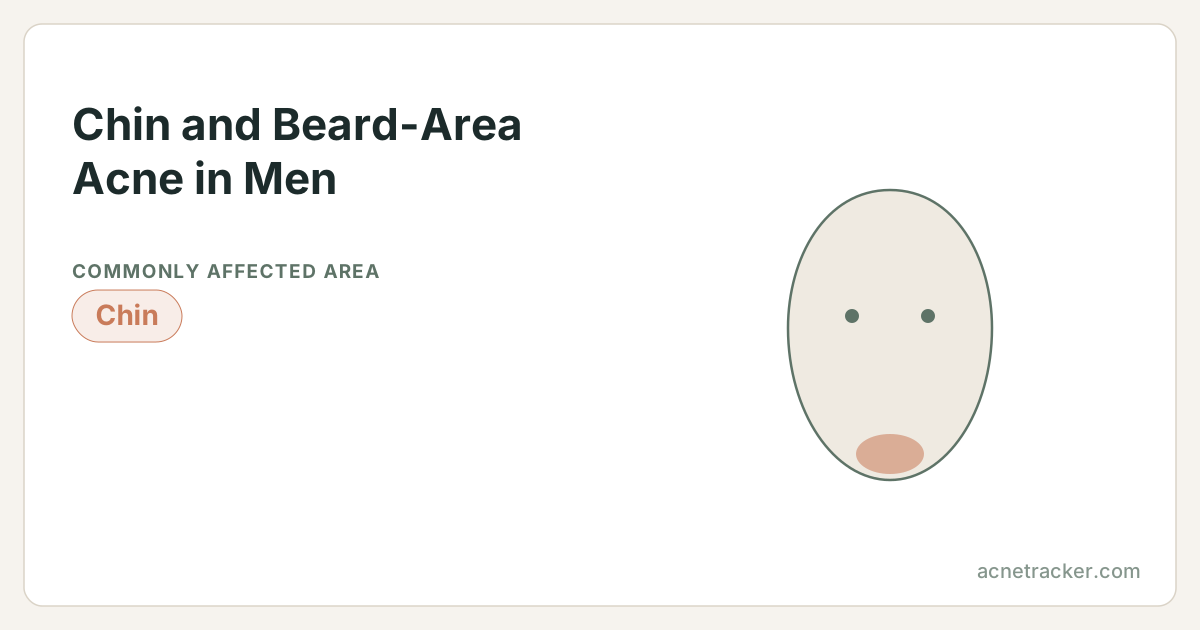
How to recognize it
Acne on a man's chin looks like blackheads, whiteheads and inflamed papules centred on pores, appearing whether or not you have shaved recently. Shaving bumps look different: small, sometimes painful red bumps or ingrown-hair pustules that sit right where hairs exit the skin, often worse a day or two after shaving and concentrated on the neck and jaw. When curly beard hairs curl back into the skin and inflame, that is pseudofolliculitis barbae rather than acne, and shaving more aggressively makes it worse. Telling the two apart decides whether you reach for an acne active or change how you shave.
What causes it
Shaving irritation and ingrown hairs
Close, repeated shaving over the chin and neck nicks the skin and encourages hairs to grow back into the follicle, producing inflamed bumps that are easily mistaken for acne but driven by grooming, not clogged pores.
Beard trapping oil and debris
Facial hair holds warmth, sweat, sebum and product against the skin of the chin, feeding the follicles below and making the beard line a reliable spot for congestion and breakouts.
Androgen-driven oil glands
Men's chin and jaw carry active, androgen-responsive oil glands, so genuine comedonal and inflammatory acne concentrates in the same beard zone where shaving problems also appear.
Pseudofolliculitis barbae
In men with curly or coarse hair, shaved hairs curl back and pierce the skin, causing a persistent crop of razor bumps. This is a shaving condition, not acne, and needs a different approach centred on how and how often you shave.
Ingredients with evidence
| Ingredient | Role |
|---|---|
| Salicylic acid (BHA) | Clears the clogged pores behind true chin acne and helps free trapped hairs; used a few evenings a week it also eases mild razor bumps along the beard line. |
| Adapalene / retinoids | Normalizes pore shedding so comedones in the beard area form less readily; apply in the evening and expect several weeks before improvement. |
| Benzoyl peroxide | A thin low-strength layer on inflamed chin papules reduces the bacteria that make them worse; introduce gradually on skin already stressed by shaving. |
| Niacinamide | Calms the redness and irritation of a shaved, reactive chin while lowering oil and supporting the barrier against stronger actives. |
Building the routine
Fix the shave first. Shave after a warm shower on softened skin, use a sharp blade and plenty of lubrication, go with the grain rather than against it, and avoid stretching the skin for an extra-close pass. If razor bumps dominate, shaving less often or switching to a longer stubble length frequently calms the neck and jaw more than any cream. For genuine acne, cleanse gently twice a day, use a retinoid a few evenings a week and salicylic acid on others, and spot-treat inflamed papules with a thin layer of benzoyl peroxide. Moisturize after shaving and wear SPF each morning. Wash and dry beard hair properly so it stops trapping oil against the chin.
When to see a doctor
Frequently asked questions
Is it acne or razor bumps on my chin?
Acne centres on pores and appears regardless of shaving, mixing blackheads with whiteheads and papules. Razor bumps sit where hairs exit the skin, worsen after shaving and cluster on the neck and jaw. If curly hairs are curling back in, it is pseudofolliculitis, a shaving problem rather than acne.
Does shaving make chin acne worse?
It can. Dragging a blade over inflamed spots irritates them and can spread bacteria, and aggressive close shaving encourages ingrown hairs. Shaving gently with the grain on softened skin, or less often during a flare, usually calms the chin.
Can growing a beard help chin acne?
Sometimes. Not shaving removes the mechanical irritation and ingrown-hair problem, which helps razor-related bumps. But a beard can trap oil and debris against the skin, so keeping it clean matters, and it does not treat genuine comedonal acne underneath.
How should I shave if I keep getting chin bumps?
Shave after a warm shower on soft skin, with a sharp blade, plenty of lubrication and light pressure, going with the grain and skipping repeat passes. Rinse and moisturize afterwards. If bumps persist, lengthening the interval between shaves often helps more than any product.
Sources & further reading
What this page cites about the condition itself:
There is no single study of this exact question. The guidance here is reasoned from the ingredient profiles below, each of which carries its own references:
- Salicylic Acid2 refs
- Adapalene3 refs
- Benzoyl Peroxide3 refs
- Niacinamide2 refs
Show every reference behind this page (8)
- Salicylic acid as a peeling agent: a comprehensive review (PubMed)cited by Salicylic Acid
- FDA OTC monograph — acne drug products (salicylic acid 0.5–2%)cited by Salicylic Acid, Adapalene, Benzoyl Peroxide
- PubChem — Adapalene compound summarycited by Adapalene
- DermNet — Adapalenecited by Adapalene
- PubChem — Benzoyl peroxide compound summarycited by Benzoyl Peroxide
- DermNet — Benzoyl peroxidecited by Benzoyl Peroxide
- Niacinamide: mechanisms of action and its topical use in dermatology (PubMed)cited by Niacinamide
- European Commission CosIng database — Niacinamidecited by Niacinamide
Medical disclaimer
Ingredients mentioned on this page
Find your personal acne triggers
Our free Acne Tracker lets you log breakouts, sleep, stress and diet, and shows you which factors correlate with your flare-ups.