Jawline Acne in Men
Jawline acne in men sits at the crossroads of two forces: strong androgen activity that keeps the lower face oily, and the daily mechanical stress of shaving the beard area. The jaw and beard edge are rich in oil glands, and higher male androgen levels drive sebum production hard, so clogs form readily. Add a blade dragging over the same skin most mornings and you get irritated follicles, breakouts and sometimes ingrown hairs mixed in. Because shaving and acne overlap here, the fix is partly skincare and partly technique — and it is worth separating true acne from razor-related bumps, because they are not treated the same way.
How to recognize it
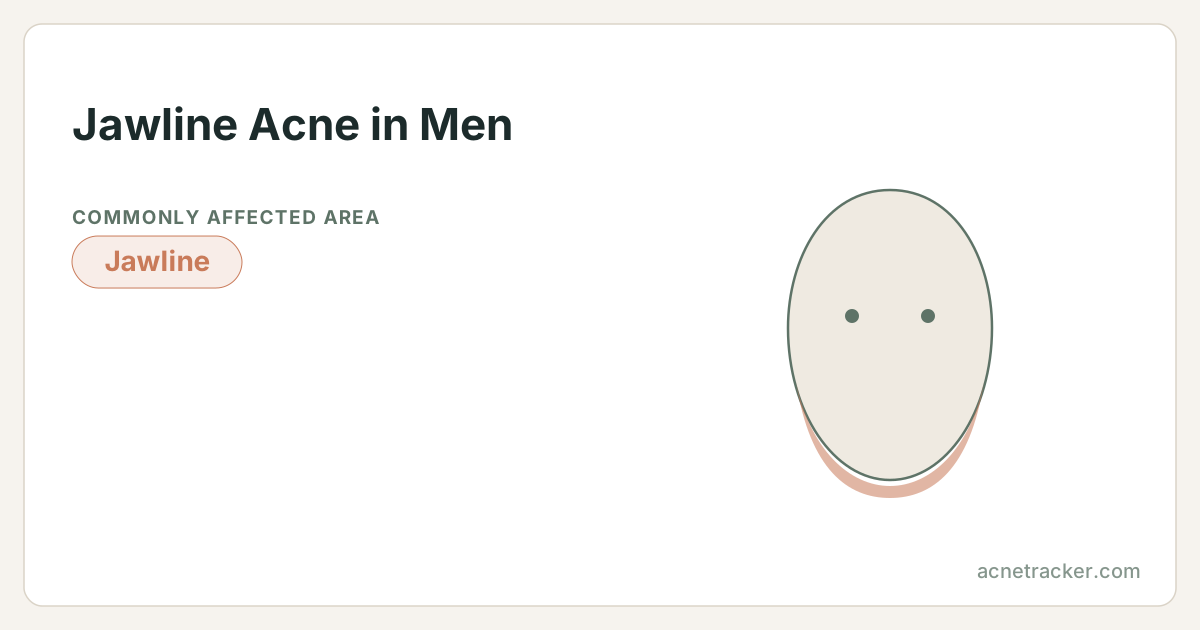
Acne along the male jawline shows as a mix of blackheads, whiteheads and inflamed red spots through the beard area and down the jaw, sometimes with deeper, sorer lumps toward the angle of the jaw and neck. A key thing to distinguish is pseudofolliculitis barbae — razor bumps — where shaved hairs curl back into the skin and cause red, sometimes pus-topped bumps that look like acne but are really ingrown hairs. Razor bumps sit right where hair is shaved and often have a visible trapped hair; true acne includes blackheads and spots between the hairs. Many men have some of both at once.
What causes it
Androgen-driven oil
Higher androgen activity in men strongly stimulates the oil glands of the lower face, so the jaw and beard area run oily and clog into acne more readily than drier zones.
Shaving irritation
A blade dragged over the jaw daily irritates follicles, disrupts the skin surface and can spread bacteria, all of which aggravate breakouts along the shaved area.
Ingrown hairs (pseudofolliculitis)
Shaved hairs, especially curly hair, can curl back and grow into the skin, causing red, sometimes pus-topped bumps that mimic acne but are actually trapped hairs needing different care.
Friction and sweat
Helmet chin straps, sports gear, masks and sweat pressed against the jaw push oil and bacteria into follicles and add to the breakouts.
Ingredients with evidence
| Ingredient | Role |
|---|---|
| Salicylic acid (BHA) | Clears clogs and helps free trapped hairs, so it works on both acne and razor bumps along the jaw; used a few evenings a week. |
| Adapalene | A retinoid that prevents new clogs and, over time, reduces both comedones and inflamed spots in the beard area. |
| Benzoyl peroxide | Lowers bacteria on inflamed spots; a wash-off formula limits dryness on skin already stressed by shaving. |
| Niacinamide | Regulates oil and calms the redness and irritation that shaving adds to the jawline. |
| Azelaic acid | Anti-inflammatory and helpful for both spots and the marks razor bumps leave, gentle on shaved skin. |
Building the routine
Combine acne care with better shaving. Cleanse morning and night, and use salicylic acid a few evenings a week plus a retinoid such as adapalene to keep pores clear and free trapped hairs. Add benzoyl peroxide or azelaic acid on inflamed spots, and moisturise and use SPF daily. For shaving: soften the beard with warm water first, use a sharp blade, shave with the grain rather than against it, avoid stretching the skin tight, and rinse the razor often. Shaving less closely and less often calms razor bumps considerably. Avoid squeezing spots or digging out ingrown hairs, which worsens both the inflammation and the marks.
When to see a doctor
Frequently asked questions
Is it acne or razor bumps on my jawline?
Razor bumps (pseudofolliculitis barbae) appear right where you shave and often have a visible trapped hair, while acne includes blackheads and whiteheads between the hairs. Many men have both, and they need somewhat different care, so the distinction matters.
Does shaving cause jawline acne?
Shaving does not cause acne itself, but it irritates follicles, can spread bacteria and creates ingrown hairs that look like acne. Better technique — a sharp blade, shaving with the grain, less closely — reduces both irritation and bumps.
Why is men's jawline acne often deep and stubborn?
Higher androgen activity drives strong oil production in the lower face, so clogs form readily and can inflame deeply. Combined with daily shaving stress, this makes the male jawline a common site for persistent, sometimes deep breakouts.
Can I keep shaving while treating jawline acne?
Usually yes, but shave gently: soften the beard first, use a sharp blade with the grain, and avoid inflamed spots where you can. If shaving clearly worsens things, shaving less often or less closely for a while often helps.
Sources & further reading
What this page cites about the condition itself:
There is no single study of this exact question. The guidance here is reasoned from the ingredient profiles below, each of which carries its own references:
- Salicylic Acid2 refs
- Adapalene3 refs
- Benzoyl Peroxide3 refs
- Niacinamide2 refs
- Azelaic Acid3 refs
Show every reference behind this page (10)
- Salicylic acid as a peeling agent: a comprehensive review (PubMed)cited by Salicylic Acid
- FDA OTC monograph — acne drug products (salicylic acid 0.5–2%)cited by Salicylic Acid, Adapalene, Benzoyl Peroxide
- PubChem — Adapalene compound summarycited by Adapalene
- DermNet — Adapalenecited by Adapalene
- PubChem — Benzoyl peroxide compound summarycited by Benzoyl Peroxide
- DermNet — Benzoyl peroxidecited by Benzoyl Peroxide
- Niacinamide: mechanisms of action and its topical use in dermatology (PubMed)cited by Niacinamide
- European Commission CosIng database — Niacinamidecited by Niacinamide, Azelaic Acid
- PubChem — Azelaic acid compound summarycited by Azelaic Acid
- DermNet — Azelaic acidcited by Azelaic Acid
Medical disclaimer
Ingredients mentioned on this page
Find your personal acne triggers
Our free Acne Tracker lets you log breakouts, sleep, stress and diet, and shows you which factors correlate with your flare-ups.