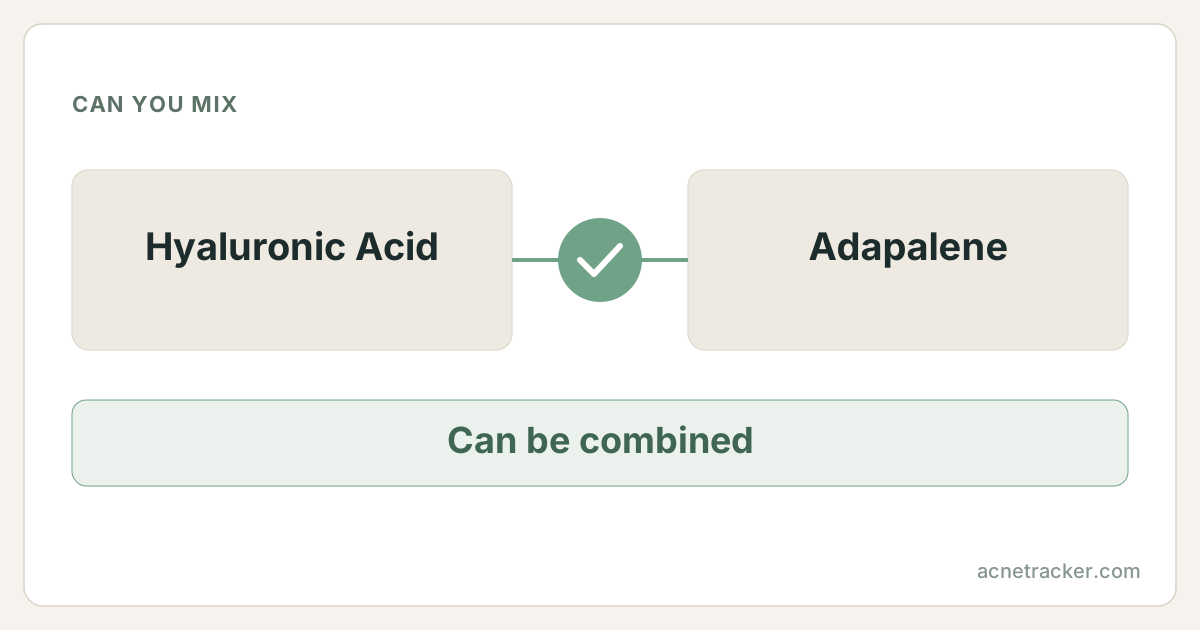
Can You Mix Hyaluronic Acid and Adapalene?
Yes, and dermatologists routinely suggest exactly this. Adapalene is a third-generation retinoid with a well-earned reputation for a dry, flaky first three months; hyaluronic acid does nothing to its chemistry and everything for the discomfort that makes people stop using it. Adapalene's strength and suitability are a conversation for your dermatologist — how you keep your skin comfortable on it is not.
How this pairing resolves
The two ingredients, their published numbers, and where they land together.
The numbers beside each ingredient are its published comedogenic rating and effective pH window, taken from its own profile page.
Show the numbers
| Ingredients | Metric | 0–5 |
|---|---|---|
| Hyaluronic Acid | Comedogenic rating | 0/5 |
| Hyaluronic Acid | Effective pH | no published pH |
| Adapalene | Comedogenic rating | 1/5 |
| Adapalene | Effective pH | 5.0–6.5 |
Why
Adapalene is not a cosmetic retinoid dressed up. It is a synthetic naphthoic acid derivative that binds retinoic acid receptors directly — no conversion required — and it was engineered for selectivity, targeting RAR-beta and RAR-gamma rather than hitting every receptor equally. Two properties set it apart from tretinoin: it is photostable, so it does not fall apart in daylight the way older retinoids do, and it is chemically stable alongside benzoyl peroxide, which is why fixed-dose combination products of the two exist at all. It is also, in most of the world, the retinoid with the best acne evidence available without a prescription, though availability differs by country and in Norway you should expect a pharmacy conversation. The catch is the vehicle as much as the molecule. Adapalene is usually supplied as an aqueous gel, and gels are drying by construction — they flash off and leave little behind. Layer that over a retinoid causing genuine stratum corneum turnover and you get 'retinisation': dryness, tightness and flaking that peak somewhere in weeks two to four and typically settle by month three. Hyaluronic acid does not shorten that biology. It makes the weeks you would otherwise quit in tolerable, which in practice is what decides whether adapalene works for you.
How to combine them
Adapalene goes on clean, dry skin — genuinely dry, since applying a retinoid to damp skin increases penetration and irritation without improving results. So the order is not the usual thin-to-thick: cleanse, wait until skin is properly dry, apply a pea-sized amount of adapalene to the whole face rather than dabbing spots, wait a few minutes, then hyaluronic acid and moisturiser over the top. If that is still too harsh, invert it — humectant and moisturiser first, adapalene over a buffering layer. Short-contact dosing, where you apply it for twenty minutes and wash it off, is another established way in. Use it nightly if you can tolerate it and every second or third night if you cannot. Do not add acids or scrubs during retinisation, and give it twelve weeks before judging: adapalene is slow, and people abandon it at week six believing it failed. Strength, pregnancy status and whether adapalene is the right retinoid for your acne at all are questions for your dermatologist or pharmacist.
Example routine
| When | Steps |
|---|---|
| Evening (standard) | Cleanser → skin fully dry → Adapalene (pea-size, whole face) → Hyaluronic acid → Moisturiser |
| Evening (if irritated) | Cleanser → Hyaluronic acid → Moisturiser → Adapalene over the buffer |
| Morning | Cleanser → Hyaluronic acid on damp skin → Moisturiser → SPF 30+ |
| Weeks 2–4 | Peak retinisation — drop to every second night rather than stopping |
Warning signs
Frequently asked questions
Will hyaluronic acid stop adapalene from working?
No. Adapalene binds retinoic acid receptors directly and a humectant polymer sitting in the upper layers has no way to interrupt that. Buffering may slow delivery marginally; it does not change the twelve-week outcome that actually matters.
Should I apply adapalene to damp or dry skin?
Dry, and properly dry. Damp skin is more permeable, so applying a retinoid to it raises irritation without a matching gain. Save the damp-skin trick for the hyaluronic acid layer, which belongs after the adapalene has settled.
How long does the dryness from adapalene last?
Retinisation usually peaks around weeks two to four and settles by about month three. Reducing frequency rides it out better than stopping entirely, because each restart tends to reset the adjustment you already paid for.
Can I buffer adapalene by applying moisturiser first?
Yes — applying humectant and moisturiser before the adapalene is an established tolerance strategy, and it costs less potency than quitting does. Short-contact use, washing it off after twenty minutes, is another reasonable route in.
Is adapalene available over the counter in Norway?
Availability varies by country and adapalene is treated as a pharmacy or prescription matter in much of Europe, Norway included. Ask your pharmacist or dermatologist what applies to you — we do not give strengths or dosing for prescription-grade retinoids.
Sources & further reading
There is no single study of this exact question. The guidance here is reasoned from the ingredient profiles below, each of which carries its own references:
- Hyaluronic Acid3 refs
- Adapalene3 refs
Show every reference behind this page (6)
- PubChem — Hyaluronic acid compound summarycited by Hyaluronic Acid
- European Commission CosIng database — Hyaluronic Acidcited by Hyaluronic Acid
- DermNet — Moisturisers and humectantscited by Hyaluronic Acid
- PubChem — Adapalene compound summarycited by Adapalene
- DermNet — Adapalenecited by Adapalene
- FDA — Drugs (over-the-counter acne products)cited by Adapalene
Medical disclaimer
Ingredients mentioned on this page
Find your personal acne triggers
Our free Acne Tracker lets you log breakouts, sleep, stress and diet, and shows you which factors correlate with your flare-ups.