Can You Mix Bakuchiol and Niacinamide?
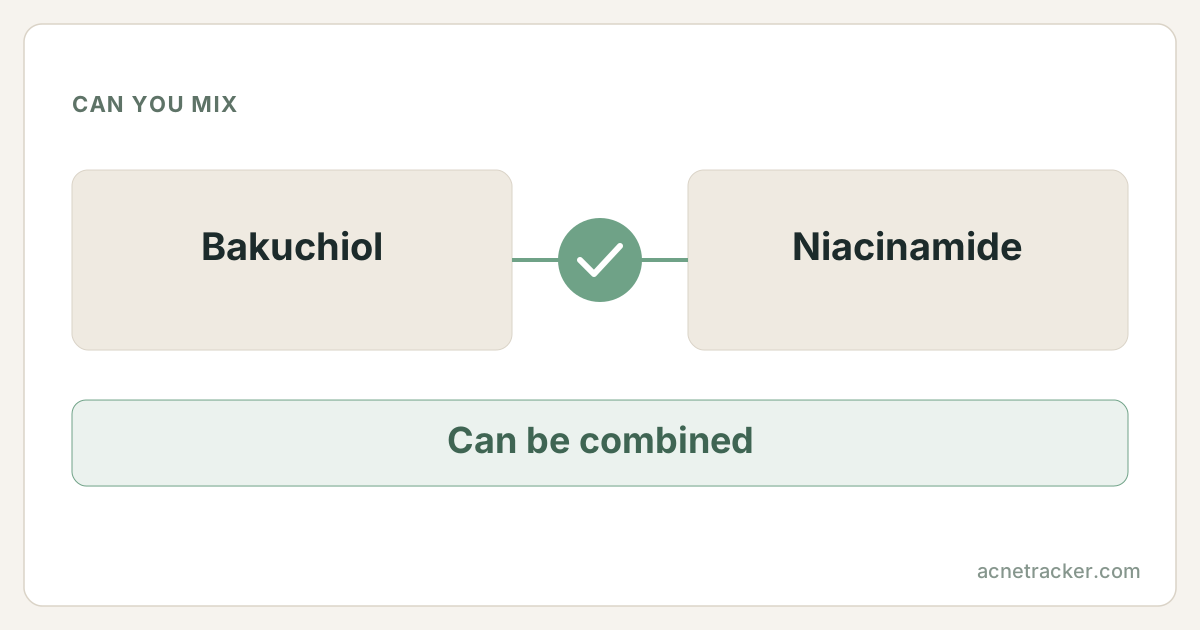
Yes, and it is one of the gentlest anti-ageing combinations available. Bakuchiol is a plant-derived ingredient that mimics some of retinol's benefits without the irritation, and niacinamide adds barrier support, oil control and tone-evening. They are fully compatible, non-exfoliating and calming, so you can layer them morning and night. Apply niacinamide then bakuchiol, then moisturizer.
How this pairing resolves
The two ingredients, their published numbers, and where they land together.
The numbers beside each ingredient are its published comedogenic rating and effective pH window, taken from its own profile page.
Show the numbers
| Ingredients | Metric | 0–5 |
|---|---|---|
| Bakuchiol | Comedogenic rating | 0/5 |
| Bakuchiol | Effective pH | no published pH |
| Niacinamide | Comedogenic rating | 0/5 |
| Niacinamide | Effective pH | 5.0–7.0 |
Why
Bakuchiol is extracted from the seeds of the babchi plant and, although it is not chemically a retinoid, studies suggest it signals the skin in retinol-like ways — supporting collagen and improving fine lines and tone — but with far less redness, flaking and stinging. That inherent gentleness is what makes pairing it with niacinamide so easy. Niacinamide works on the barrier, boosting ceramides and calming inflammation, and independently helps with oil and uneven tone. Because both ingredients are mild, work at compatible skin-friendly pH, and neither exfoliates, there is no destabilisation and essentially no additive irritation to manage. The result is a routine that pushes on firmness, texture and tone while staying very tolerable — appealing for sensitive skin and often chosen by those who cannot or prefer not to use retinoids. Bakuchiol is also generally considered suitable during pregnancy, unlike retinol, though it is always worth confirming products with your doctor.
How to combine them
Layer by texture: on clean skin apply the thinner serum first, usually niacinamide, then bakuchiol, then moisturizer. Order is not critical because neither depends on a special pH, and both can be used morning and evening every day with no adjustment period. Unlike retinoids, bakuchiol is not degraded by daylight and does not raise sun sensitivity, so it can be used in the morning too — though daily broad-spectrum SPF 30 or higher is still recommended for overall skin health and to protect any tone-evening progress. If you use a combined bakuchiol-and-niacinamide product, that is a convenient and sensible option. This is a good routine for anyone easing into anti-ageing actives without irritation.
Example routine
| When | Steps |
|---|---|
| Morning | Cleanser → Niacinamide → Bakuchiol → Moisturizer → SPF 30+ |
| Evening | Cleanser → Niacinamide → Bakuchiol → Moisturizer |
| Note | Bakuchiol is not sun-sensitising, so AM use is fine |
Warning signs
Frequently asked questions
Is bakuchiol really as good as retinol?
Studies suggest bakuchiol delivers retinol-like improvements in fine lines and tone with much less irritation, though it is generally milder. Paired with niacinamide it makes a gentle, effective routine.
Can I use this combination during pregnancy?
Niacinamide is considered safe and bakuchiol is generally viewed as a pregnancy-friendly alternative to retinol, but formulas vary, so confirm specific products with your doctor first.
Do I apply bakuchiol or niacinamide first?
Apply niacinamide first as the lighter serum, then bakuchiol, then moisturizer. Order is mostly about texture, since neither ingredient needs a special pH or a waiting period.
Can I use bakuchiol in the morning?
Yes. Unlike retinoids, bakuchiol is not broken down by light and does not increase sun sensitivity, so morning use with niacinamide is fine. Daily sunscreen is still recommended.
Is this pairing good for sensitive skin?
Very much so. Both ingredients are mild, non-exfoliating and calming, making this one of the most tolerable ways to work on firmness and even tone on reactive skin.
Sources & further reading
There is no single study of this exact question. The guidance here is reasoned from the ingredient profiles below, each of which carries its own references:
- Bakuchiol3 refs
- Niacinamide2 refs
Show every reference behind this page (5)
- PubChem — Bakuchiol compound summarycited by Bakuchiol
- Bakuchiol: a retinol-like functional compound (PubMed)cited by Bakuchiol
- DermNet — Cosmeceuticalscited by Bakuchiol
- Niacinamide: mechanisms of action and its topical use in dermatology (PubMed)cited by Niacinamide
- European Commission CosIng database — Niacinamidecited by Niacinamide
Medical disclaimer
Ingredients mentioned on this page
Find your personal acne triggers
Our free Acne Tracker lets you log breakouts, sleep, stress and diet, and shows you which factors correlate with your flare-ups.